Commercial Roofing Services
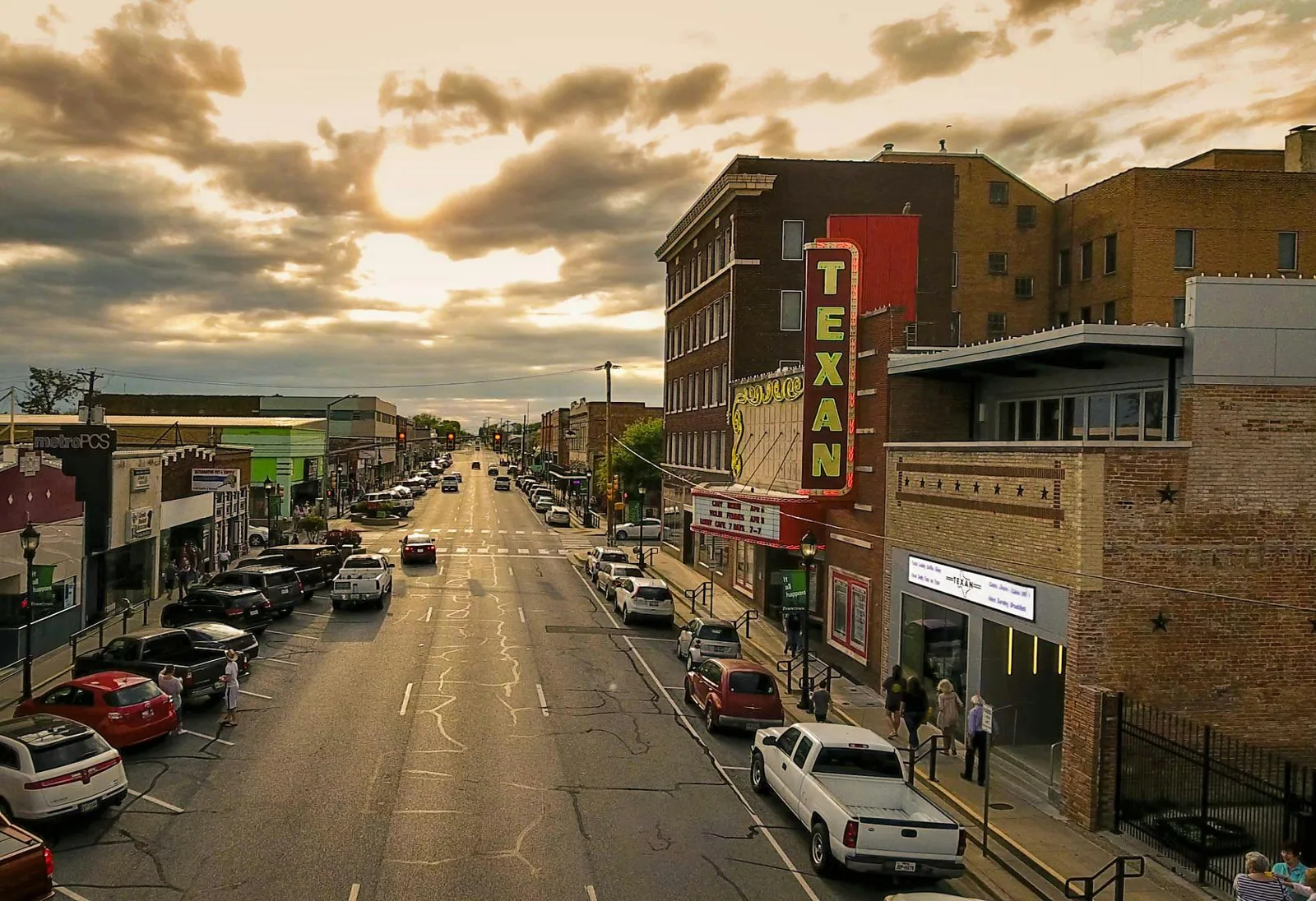
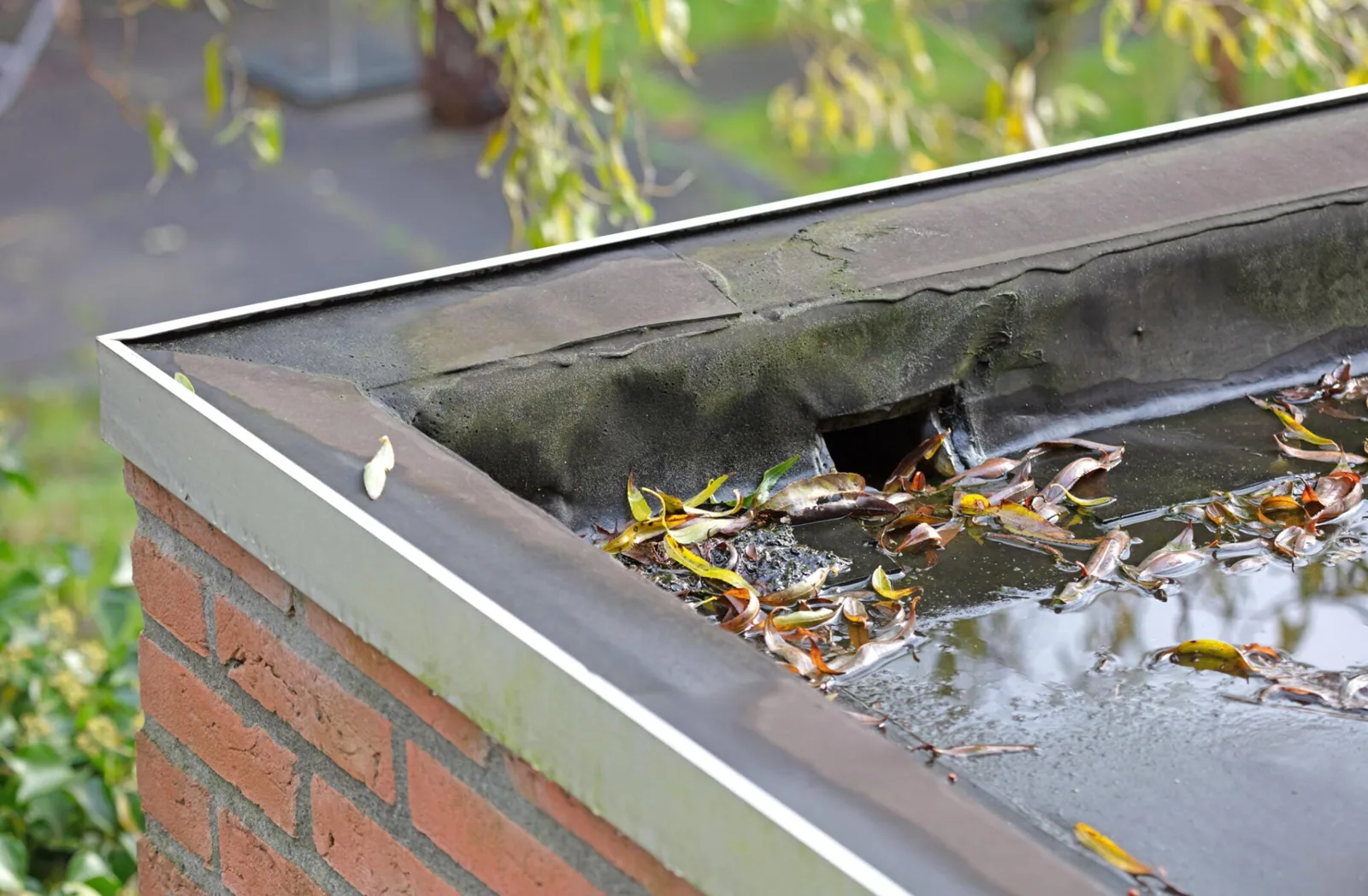
Fresh tar smeared across a seam says somebody patched it in a hurry. The next hard rain will test whether it held. Commercial roofing in Greenville, TX starts with working out which job you actually have.
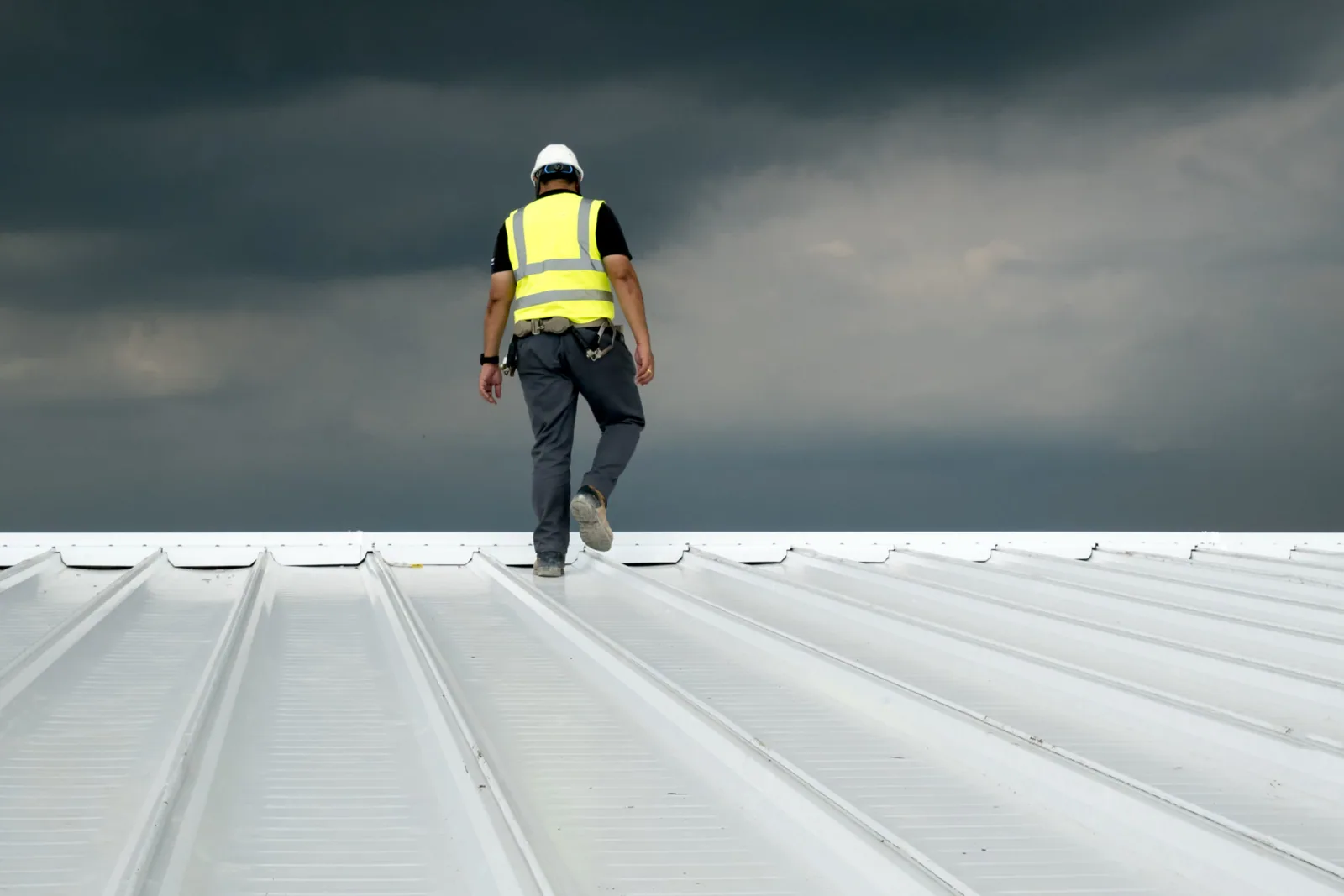
Some roofs need a focused commercial roof repair. Some need a commercial roof inspection before anybody spends a dollar. Some are past saving and need a commercial roof replacement with a full tear-off. An inspection identifies the observed condition, then the proposal states the defined scope, cost, and schedule assumptions.
Do I repair, recover or replace?
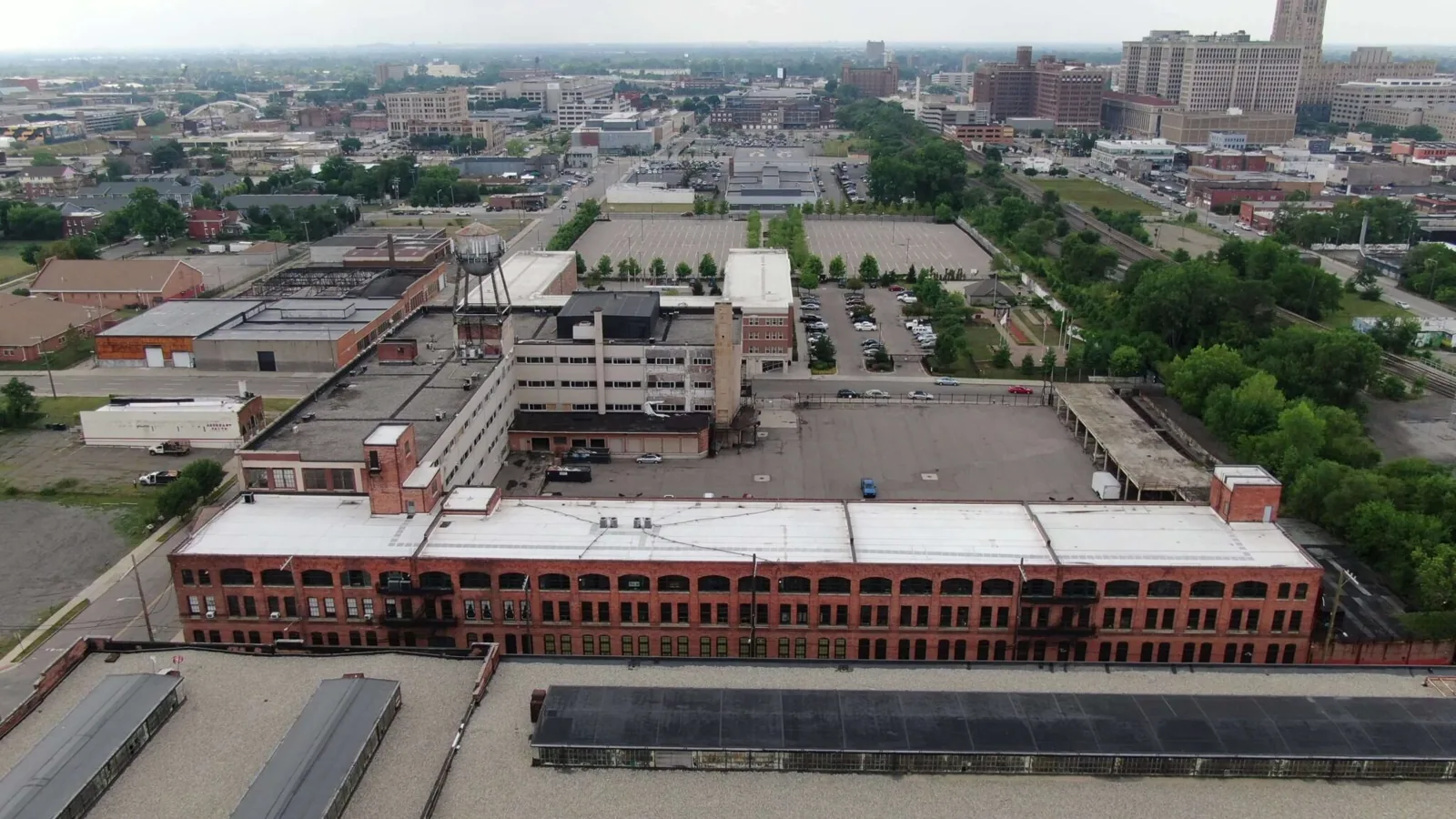
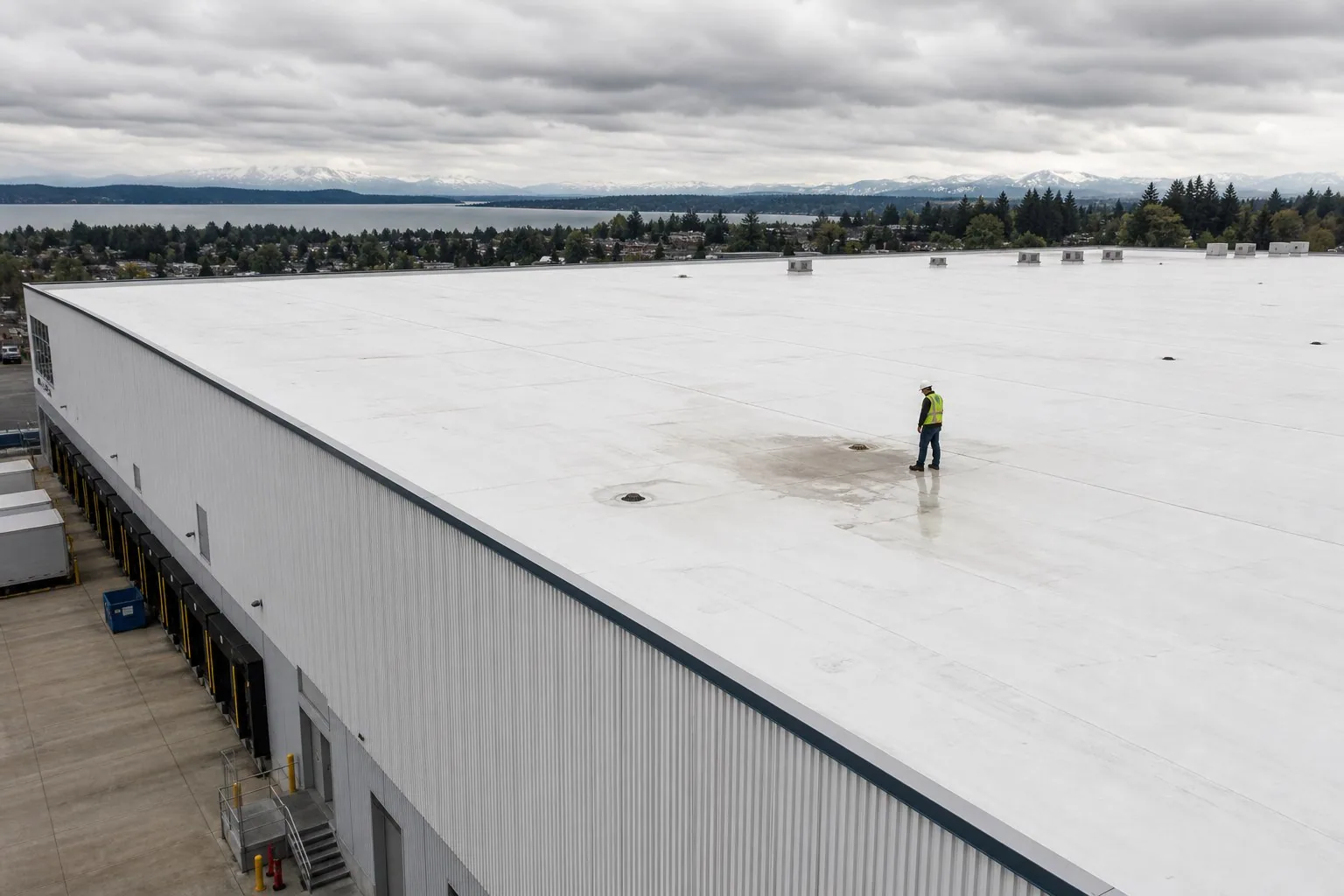
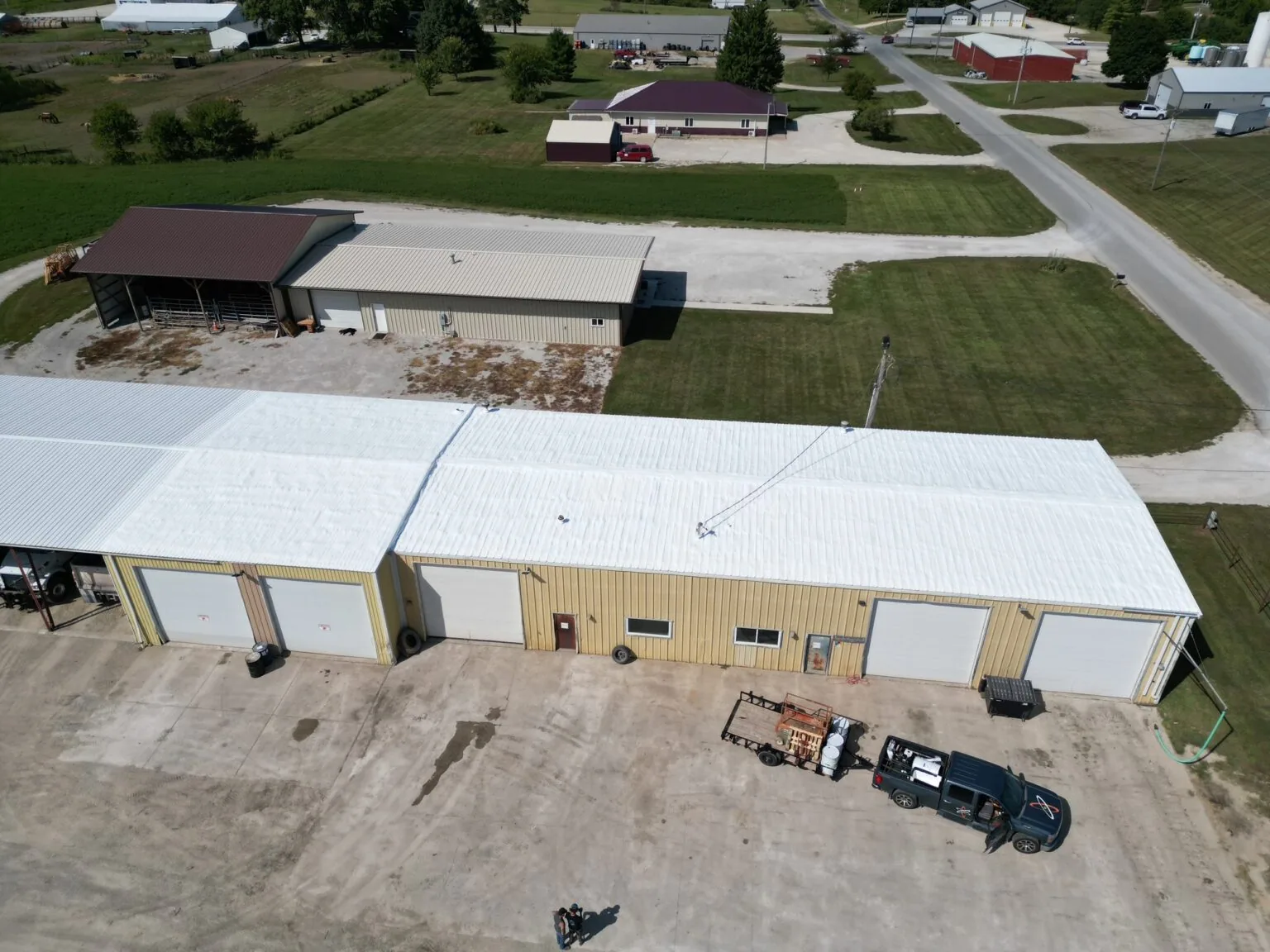
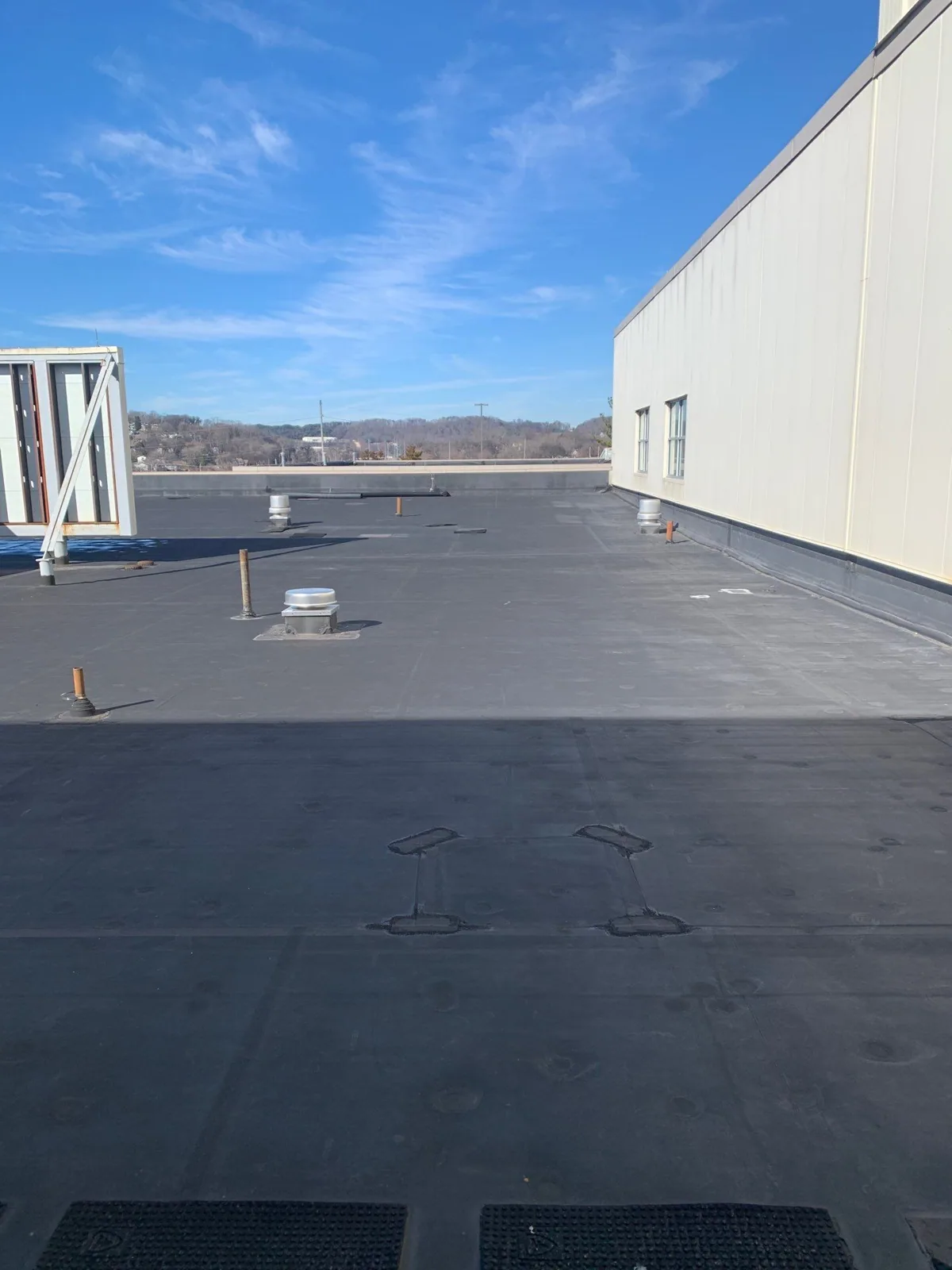
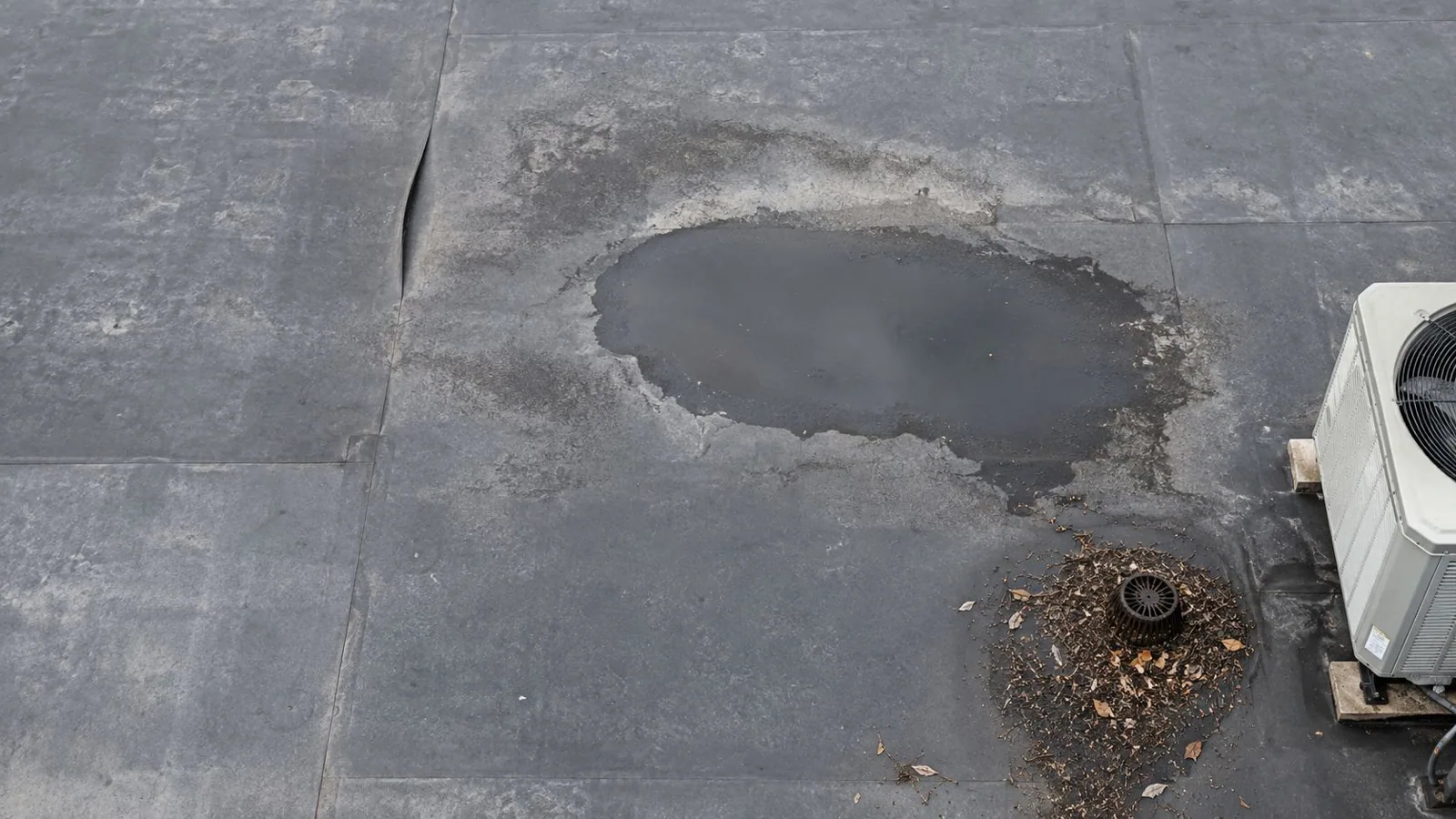
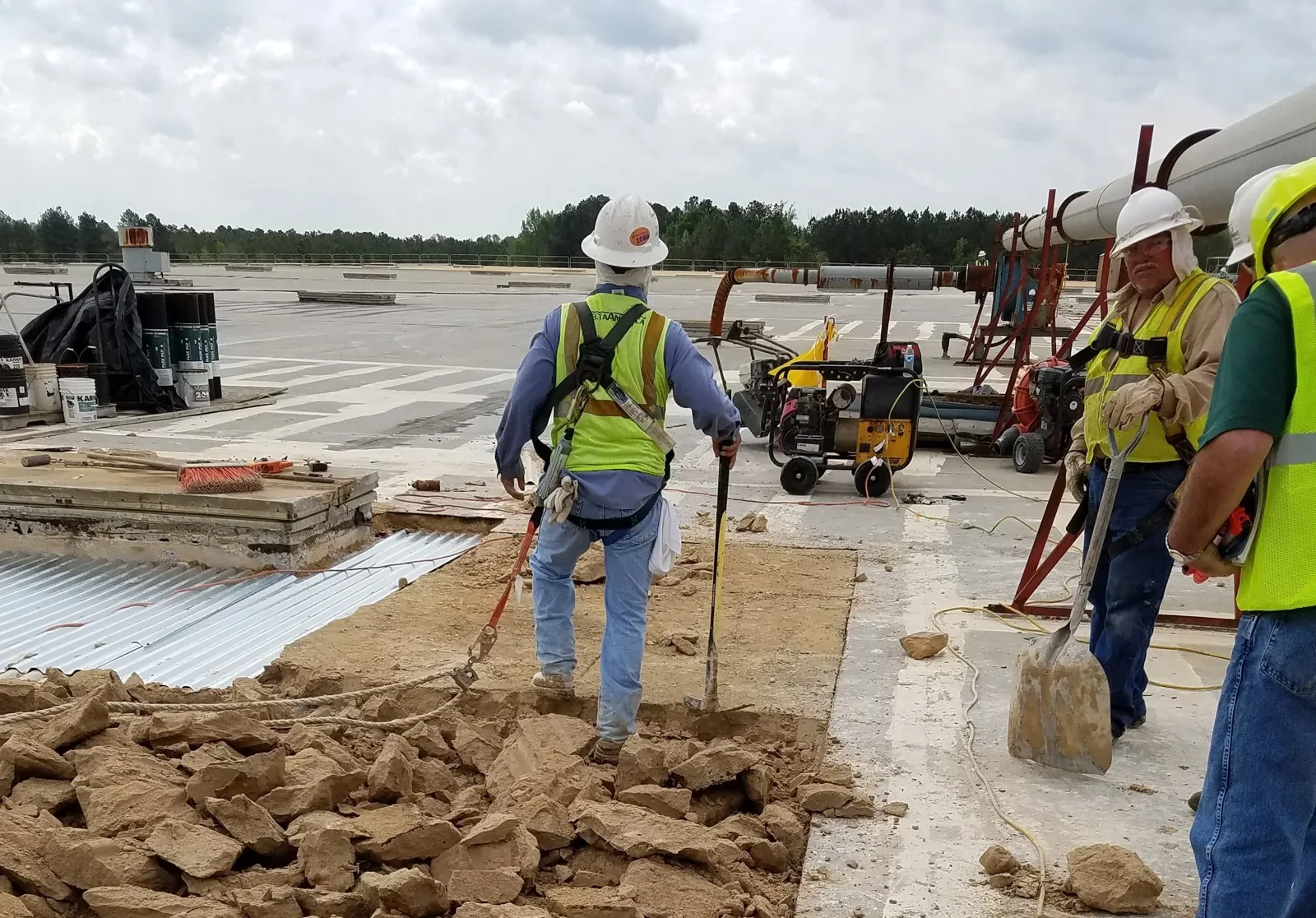
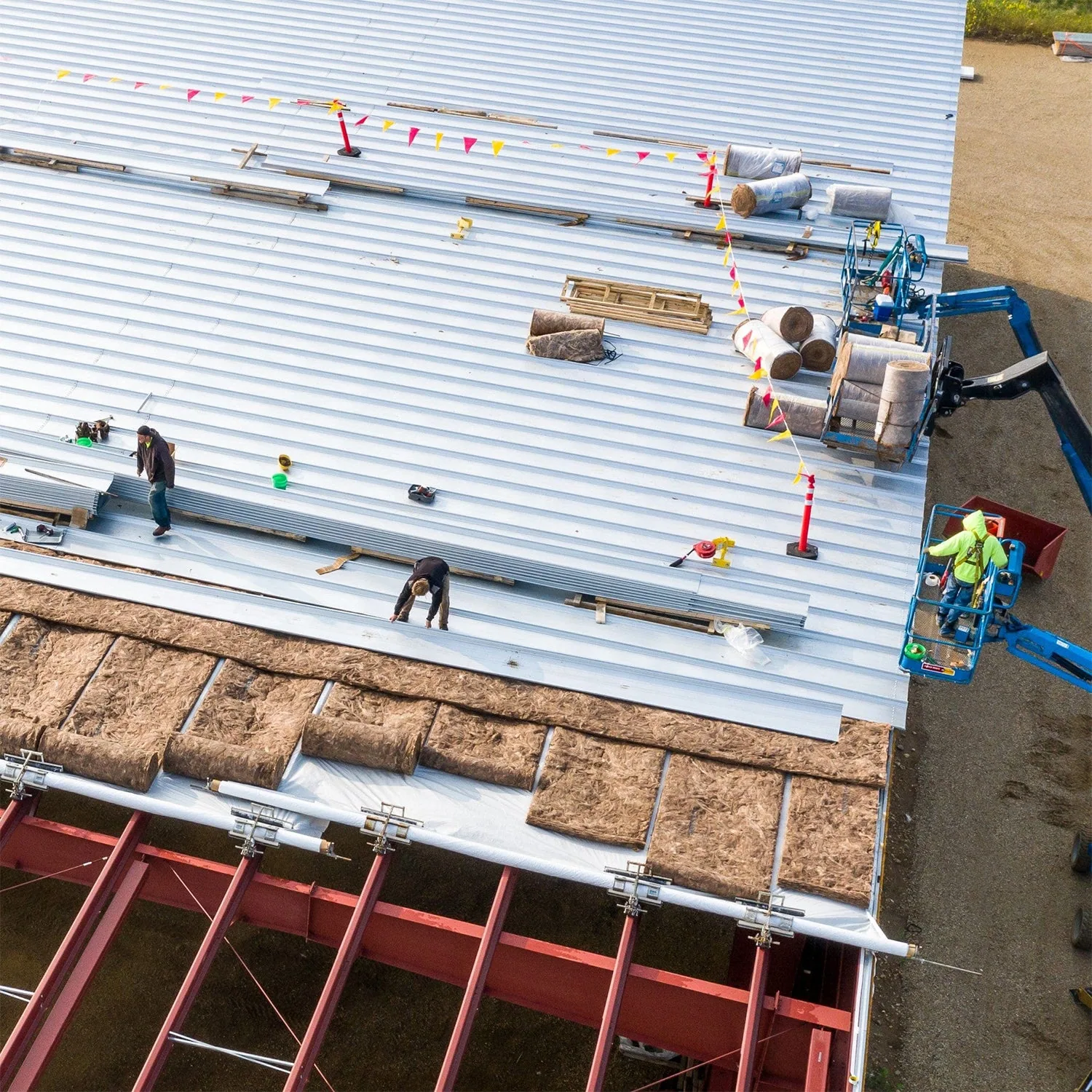
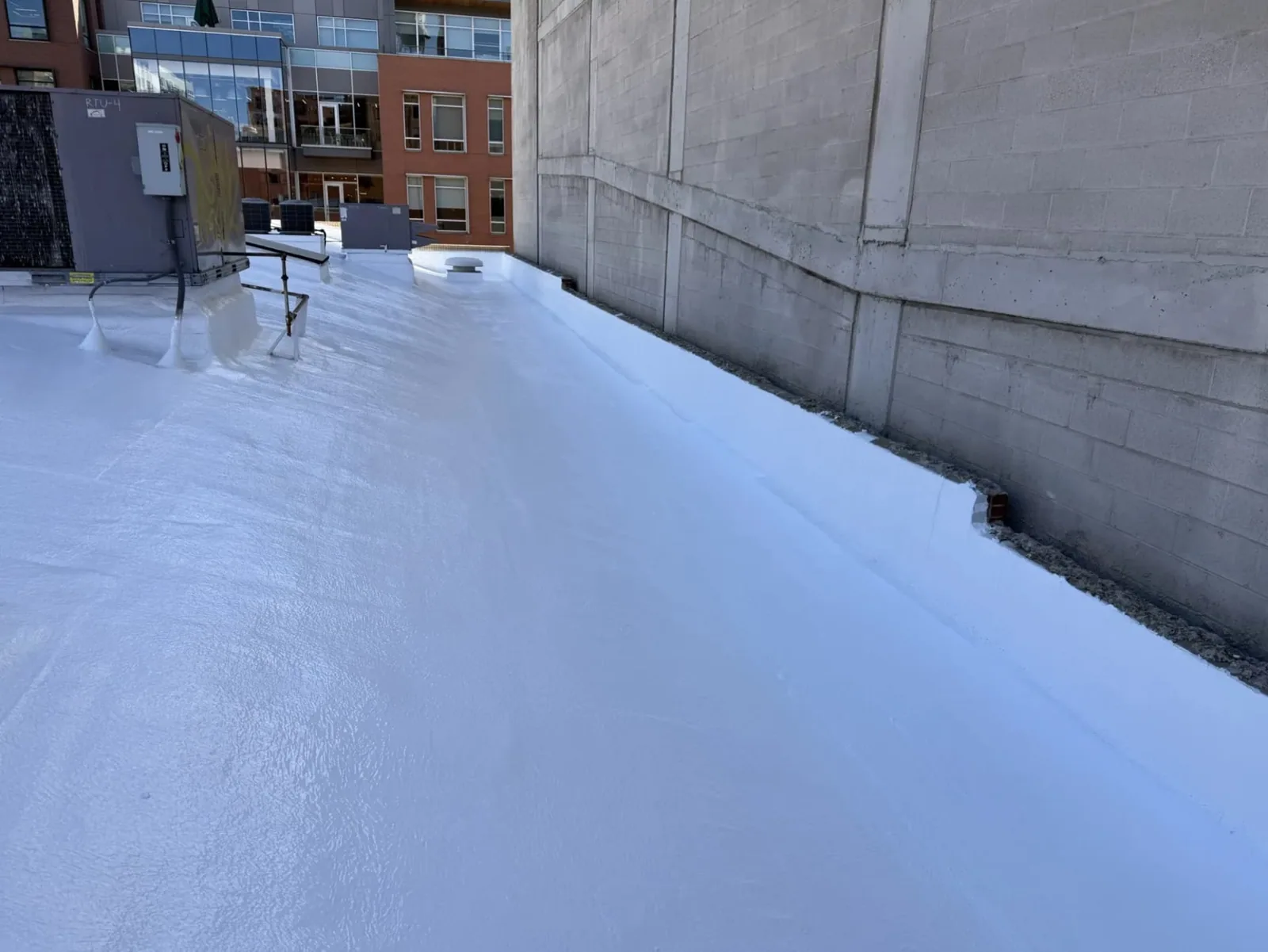
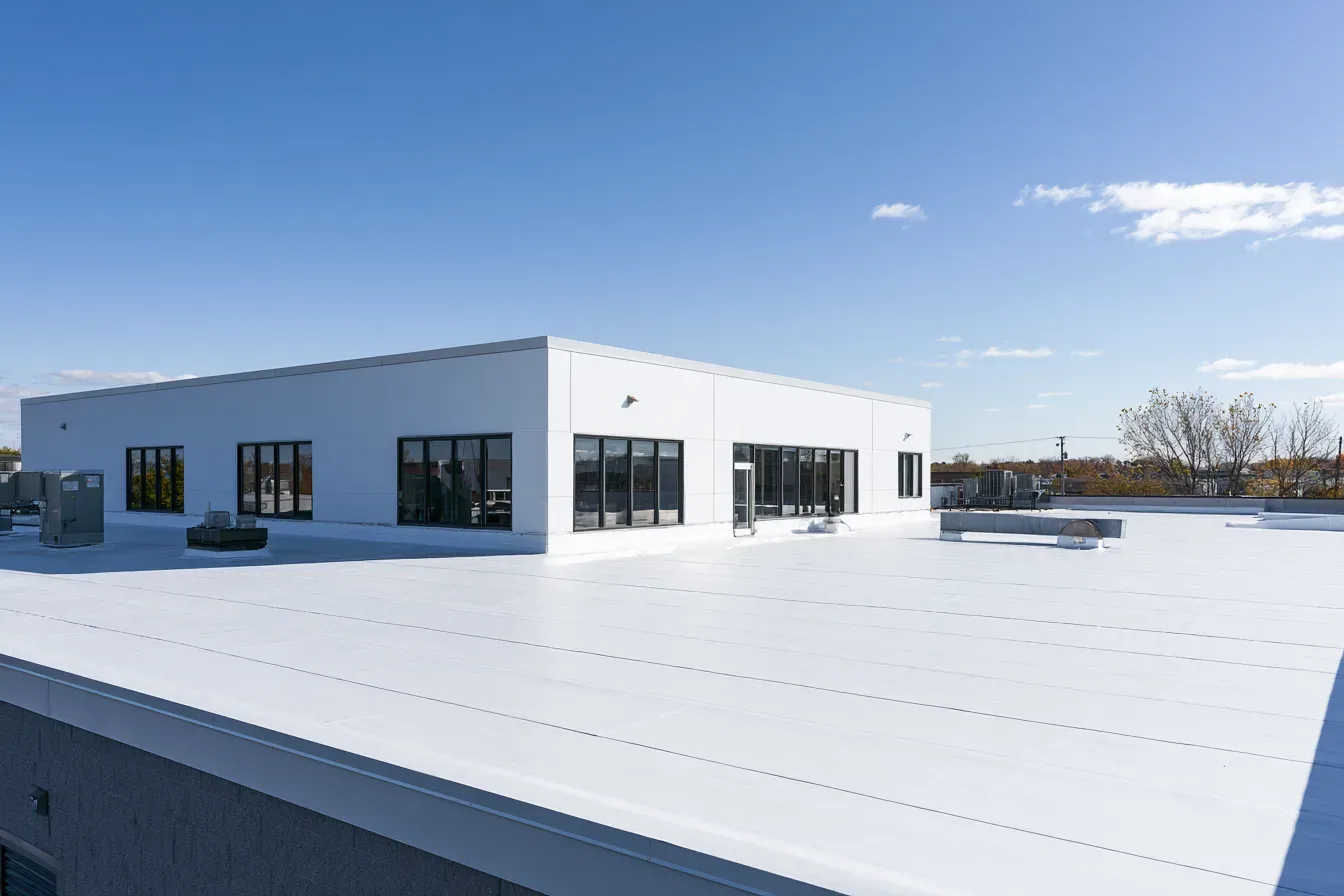
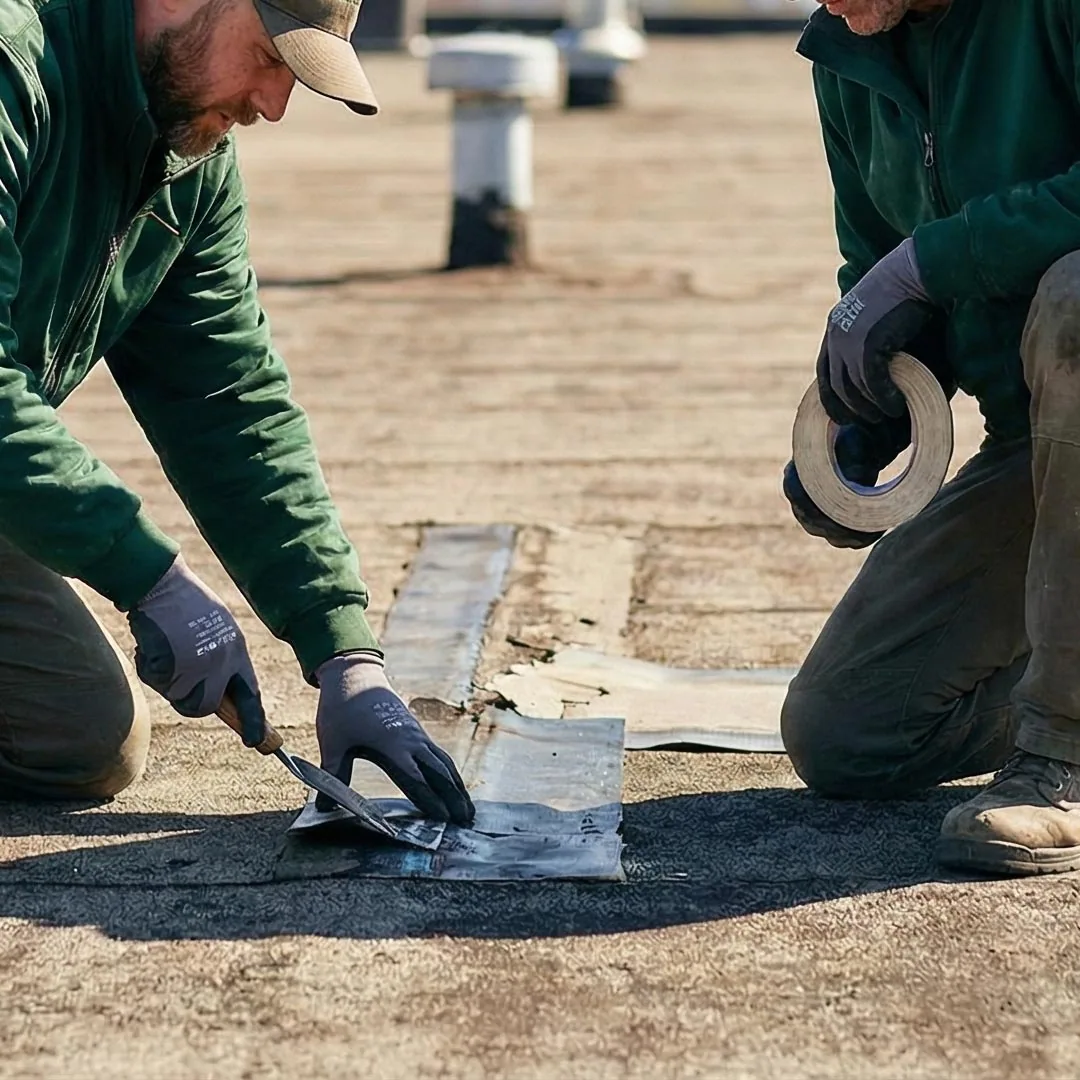
Repair fits when the damage is local and the deck is dry. A split lap, a cracked pipe boot, a run of loose coping. Fix it, test it, move on. A roof recover puts new membrane over the old roof, and it only works when the insulation underneath is still dry. Replacement means tear-off, a clean deck and a new system. It is the right answer when moisture has spread.
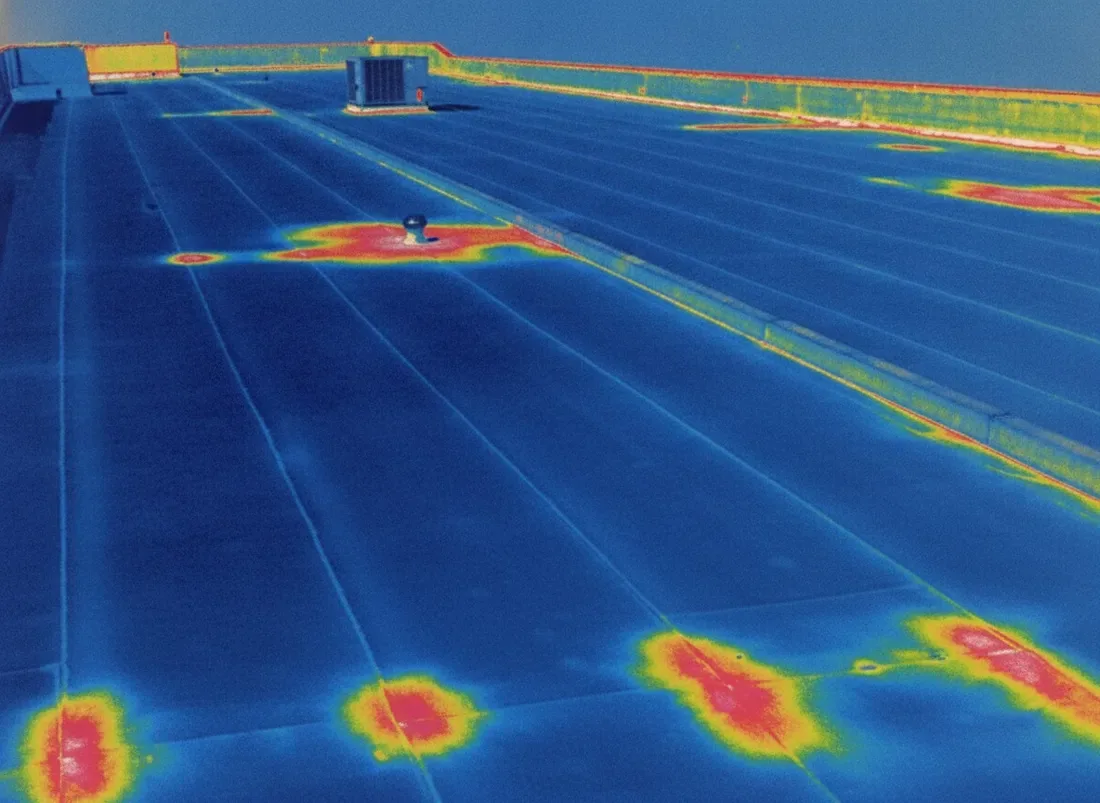
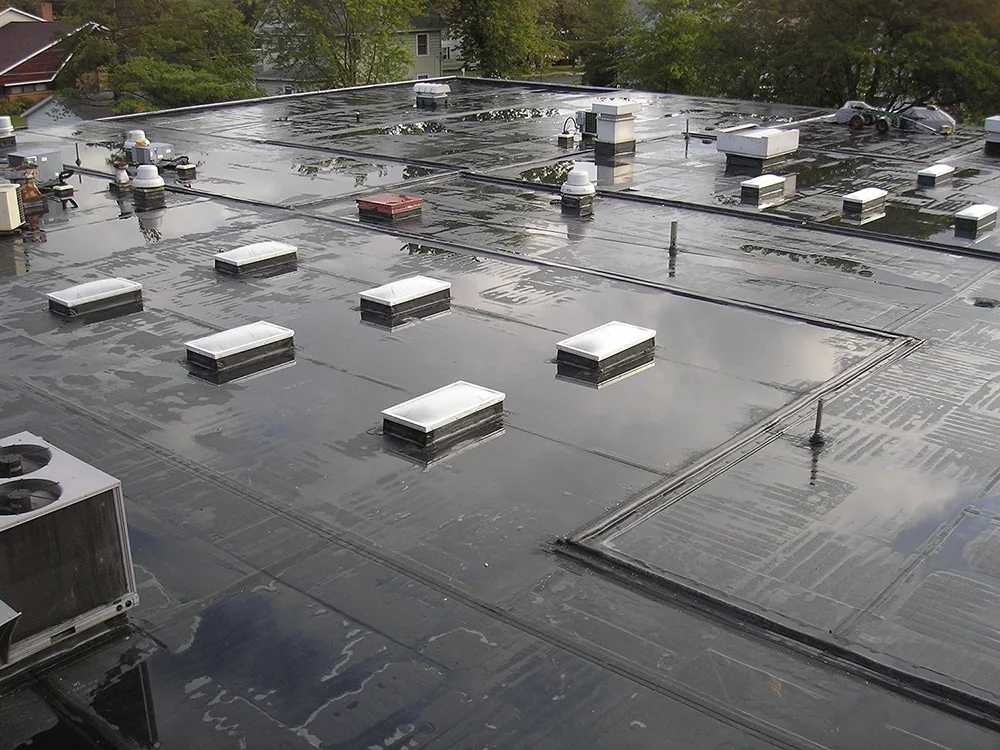
An infrared moisture survey settles most of these arguments. It shows where the wet insulation sits, so the scope matches the roof and not somebody's guess.
What do Greenville storms and heat do to a roof?
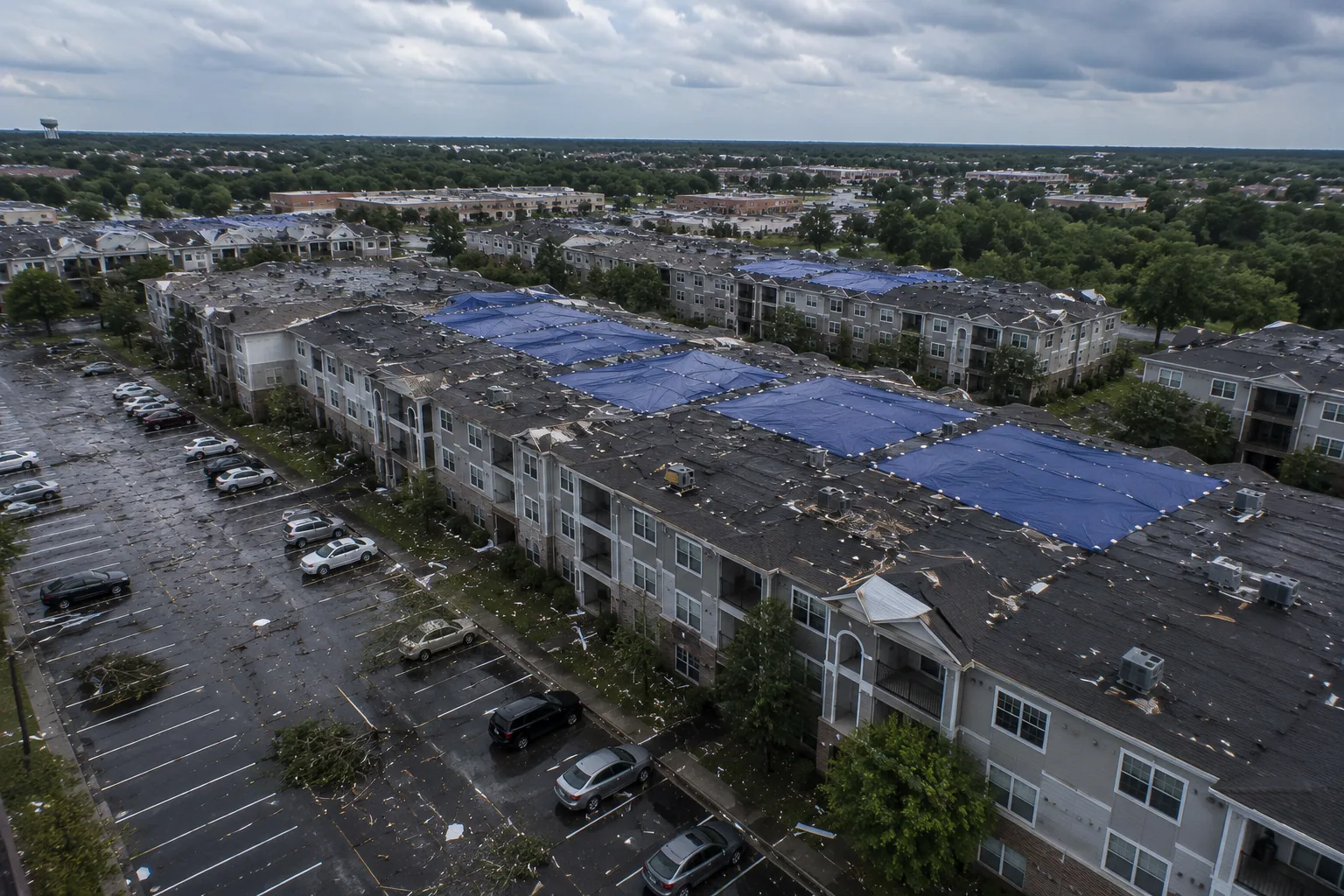
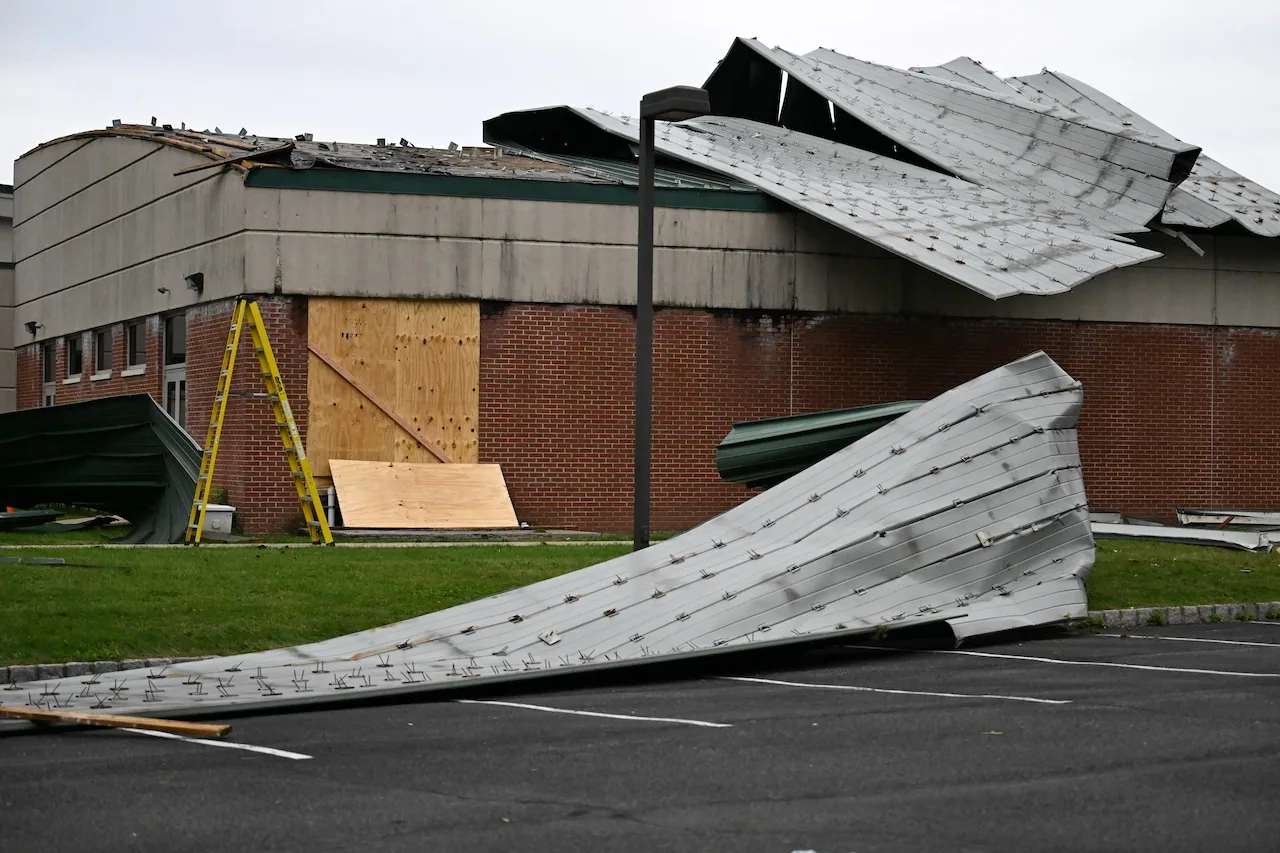
Both punish it, in different seasons. When the June 2019 storm crossed Greenville, hail the size of baseballs came down with winds around 85 mph. On downtown Greenville a building's roof collapsed, and a church sanctuary on Joe Ramsey Boulevard took extensive roof damage. Spring hail is a recurring North Texas planning concern. DFW summers have recorded as many as 31 days at 100 degrees or more in a single July; heat can stress exposed roofing materials and sealants.
Weather affects when an inspection or repair can proceed. The roof evidence, not the season alone, determines whether storm damage roof repair, roof coating restoration or preventive roof maintenance fits. When a claim is involved, we build the photo file for the adjuster through our roof insurance claim assistance.
Who works on the buildings that cannot shut down?
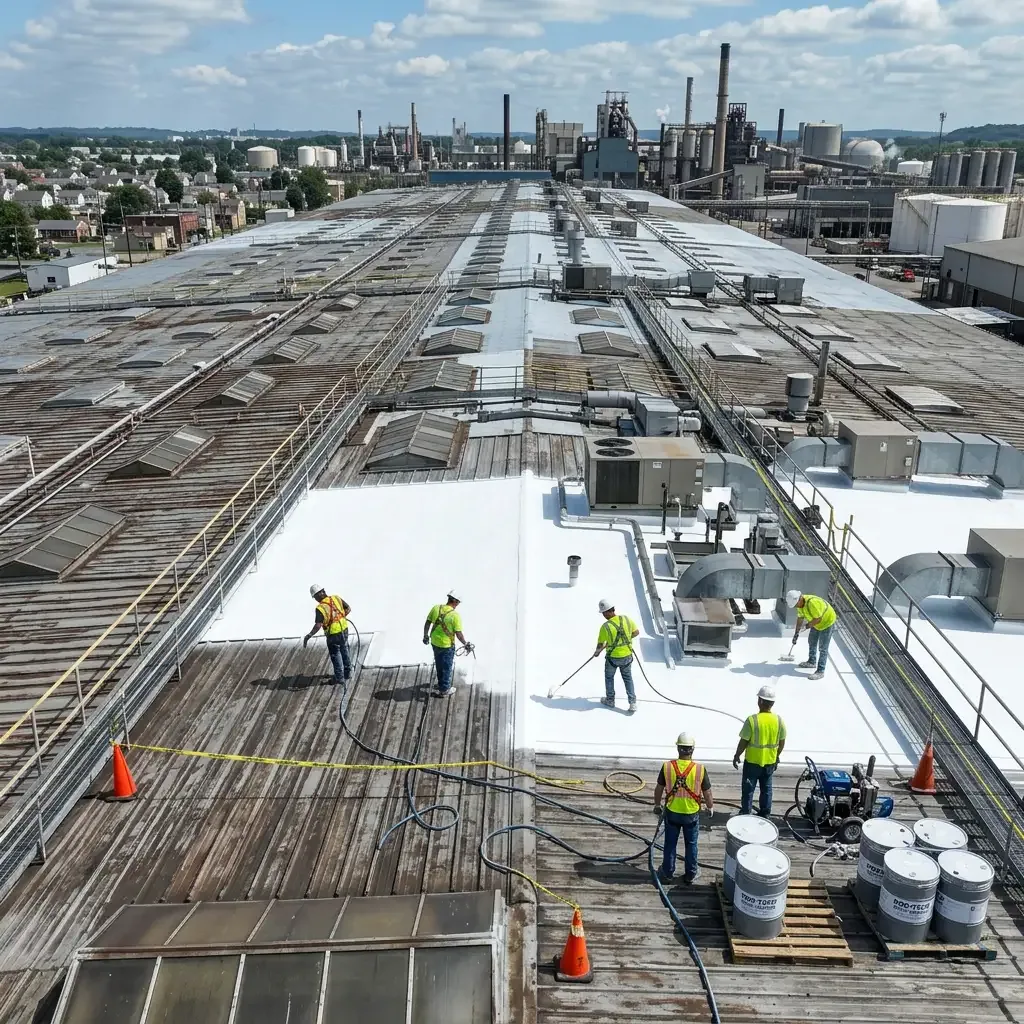
Occupied work needs a sequence that keeps the building protected while roof sections are opened. At occupied properties near Greenville Business Air Park, Park West or the Shelby Avenue employment area, the property contact can set staging, haul-route and access limits before work begins. Occupied building reroofing is a schedule problem as much as a roofing problem.
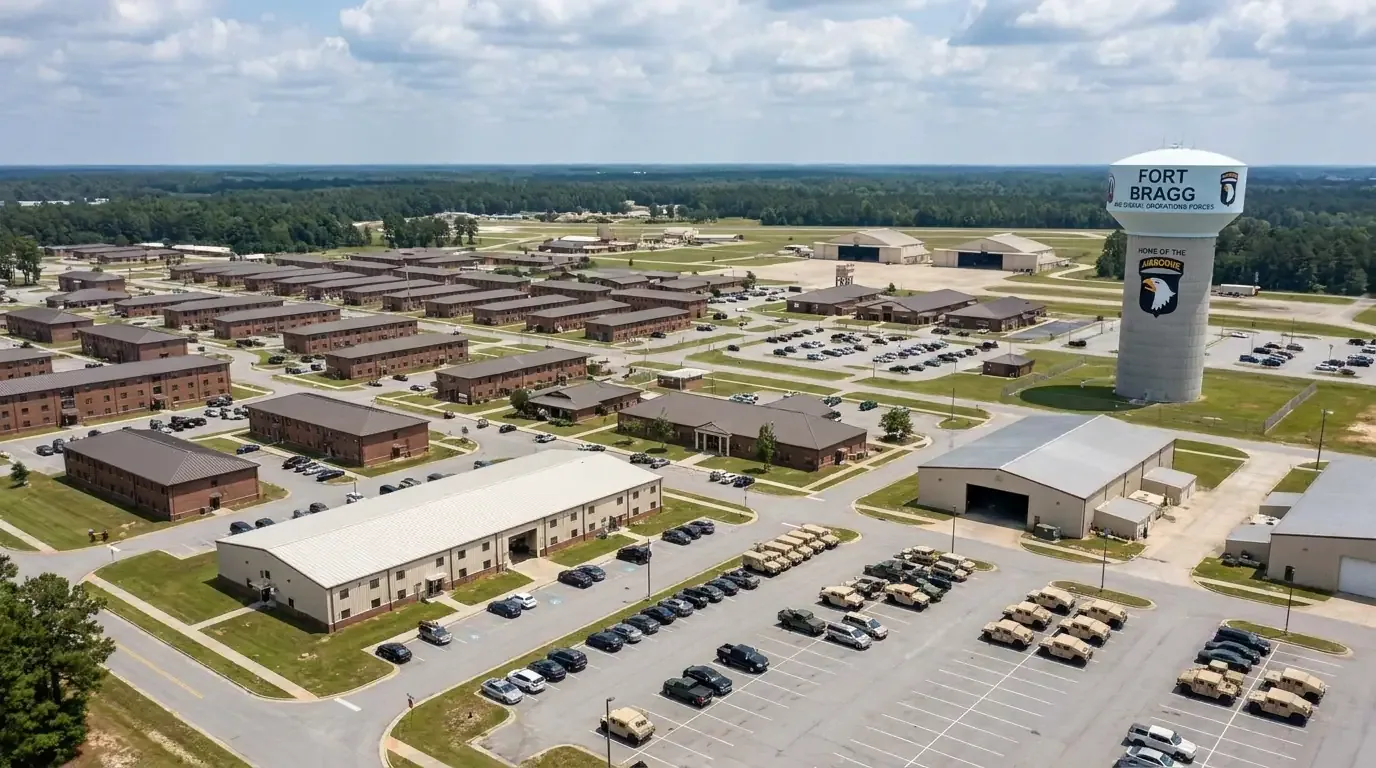
When a leak cannot wait, emergency roof repair starts with safe water control and a dry-in plan. The permanent scope follows after conditions allow an inspection. On a Guard armory or any military site, gate, badge and escort rules set the schedule before the first truck rolls.
What belongs in a useful roof scope?
A scope should name the roof area, the assembly we can identify, the observed condition and the repair boundary. It should also say what access, lift placement, tenant notice or interior protection the work needs. That gives the property contact a way to compare bids by the same work instead of comparing two totals that cover different things.
If the deck or insulation is hidden, the scope should mark that uncertainty and explain what opening or test would resolve it. We document the change before expanding the work, so a concealed condition does not quietly turn into a larger invoice.
Commercial Roofing Questions
What should a leaking warehouse roof get first?
Control the active water, then trace the path. A temporary dry-in can limit exposure while the roof is inspected in safe conditions. The repair scope should identify the entry point, the wet materials, and any interior protection needed. Permanent work during rain may not bond or seal as intended.
Can an inspection stand alone, with no work attached?
Yes. The report can document photos, observed conditions, and recommended next steps for your own budget or insurance file. You can decide later who performs the repair. It should separate confirmed damage from areas that need testing.
What should a roof proposal include?
Compare the measured work area, system and materials, preparation, tie-ins, disposal, access plan, exclusions, and schedule assumptions. The proposal should explain how hidden wet insulation or deck damage will be reviewed and priced.
Can roof work happen while the building stays open?
A phased plan can help. Account for deliveries, noise, roof access, notices, temporary weather protection, and areas that must stay clear. Agree on those limits before mobilization.