Roof Insurance Claim Assistance in Greenville, TX
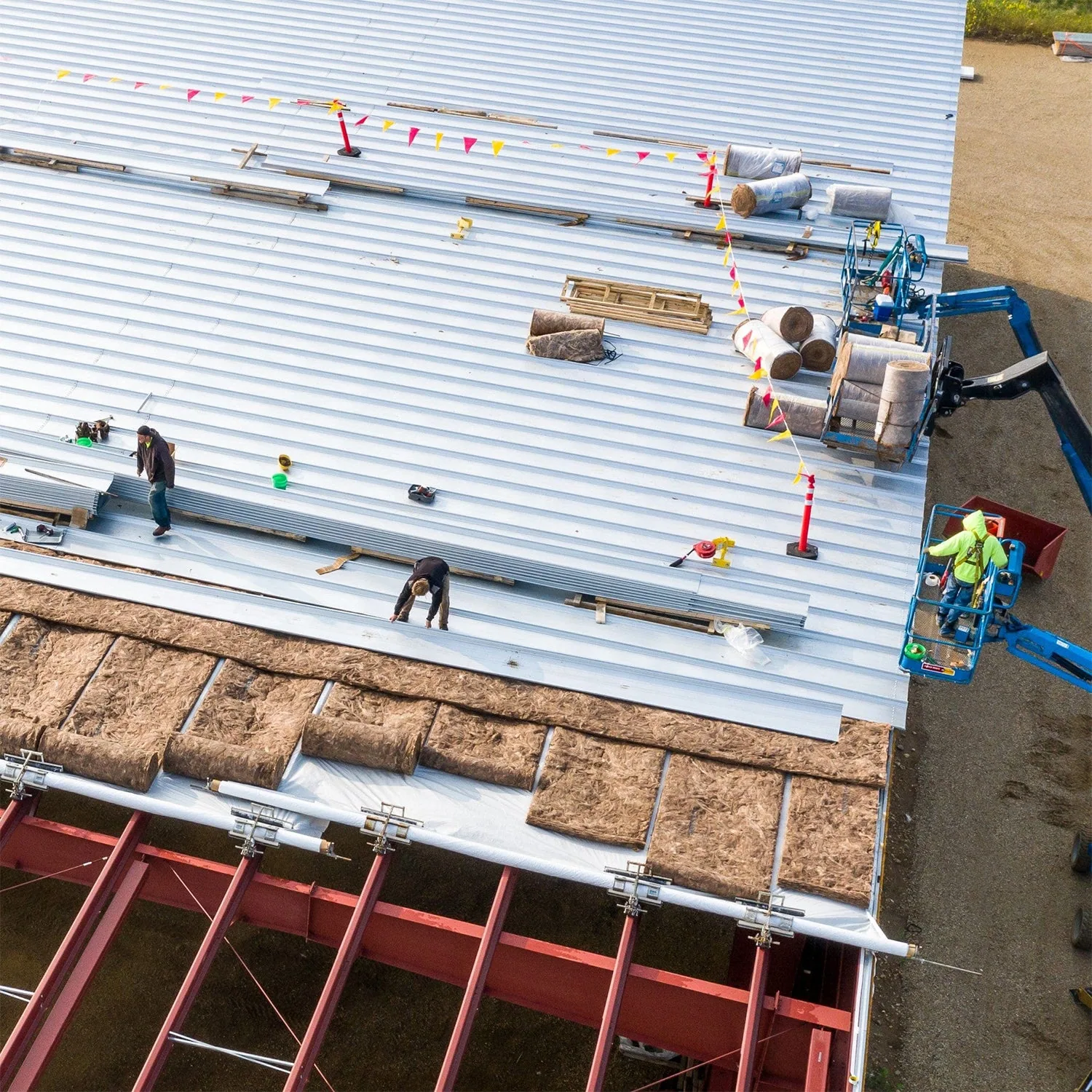
A dated photo of a hail bruise carries more weight than a page of explanation. Adjusters work from what they can see and measure. A roof claim that arrives with clear photos, core samples and a written scope moves. One that arrives with a phone call and a story stalls.
That is the job. We do not write your policy and we do not argue your coverage. We put the roof on paper so whoever decides your claim in Greenville, TX has the facts in front of them: what the roof looked like, what the storm did, and what the repair takes to fix it.
What does claim assistance actually include?
It is roof work first and paperwork second. The crew walks the building, and the report comes out of what they find.
- Dated photos of damage, area by area, with a roof plan that shows where each one sits
- Moisture readings and test cores where water may be hiding under the membrane
- A written description of the damage and the likely cause
- A repair scope broken into line items an adjuster can price against
- A walk of the roof with the adjuster, so questions get answered on site
- A supplement report if more damage turns up once the old material is open
Where a roof has been kept up under a maintenance program, the earlier visit photos show the roof before the storm. That record is hard to argue with.
What does an adjuster need to see?
Four things. The date of the event. The kind of damage. How far it goes. And whether it came from a sudden event or from slow wear.
That last one is the hard one. Carriers separate storm damage from age and neglect. A hail bruise has a pattern and a fresh look. A blistered, crazed membrane on a roof with no recent storm has another story. We describe what we see without stretching it. An honest report that separates the two earns more trust than one that calls everything storm damage.
A written roof condition report puts the system, the layers, the age and the defects in one place.
What should I do in the first days after a storm?
Protect the building and keep the evidence. In that order.
- Photograph the roof and the ceilings below before anything gets moved or cleaned
- Have the roof dried in so more water does not come in
- Keep every receipt for emergency work
- Save any torn membrane, bent metal or damaged material the adjuster may want to see
- Report the claim promptly, because policies set notice deadlines you should read
Get us out early. A quick drone survey can map a big roof in an afternoon, and our storm damage repair crew handles the dry-in and the permanent fix once the claim allows.
Keep the initial record separate from the repair estimate. Photograph the condition before temporary work where it is safe, preserve invoices for emergency protection, and write down when water first appeared and which interior areas were affected. A contractor can document roof conditions and price a repair, while the insurer determines policy coverage. If a temporary patch hides the original damage, label it in the file and keep the before-and-after images together. This record helps later reviewers understand what changed between the first inspection and permanent work.
What do Greenville storms mean for a claim?
Hail and wind are the storms that put roofs into claims here. The June 19, 2019 storm is the local benchmark: winds near 85 mph, baseball-sized hail and a badly damaged roof over a church sanctuary on Joe Ramsey Boulevard. Downtown, one building in downtown Greenville had its roof fail, and broken storefront glass littered the blocks around it, the kind of damage that sends downtown Greenville owners to their carriers.
Hail on North Texas roofs rarely announces itself. The membrane bruises, the insulation fractures below, and the first leak may not show until the next warm season. That gap is why claims here need cores and moisture readings, not just a visual check. In 2016 softball-sized hailstones did more than $240 million of damage in Wylie, a reminder of how large a hail claim can grow.
A hail bruise shows up as a soft spot under a thumb, and the hail damage repair that follows starts with cores and moisture readings.
What if the adjuster and the roof disagree?
It happens. The carrier sees a repair where the roof needs a replacement, or finds the damage minor where cores show wet insulation across a large area.
We answer with data. Moisture readings, core logs and photos show how far the damage goes. If the adjuster missed something, we write it up as a supplement. If the carrier wants a second look, we meet them on the roof and walk it together.
Beyond the roof, policy disputes belong to your insurer, your attorney or a licensed public adjuster. We can supply the technical file for any of them. Carriers and restoration teams get the same photos and numbers, and insurance restoration work runs on that shared file.
How long does a claim hold up the repair?
Longer than you want. The roof work itself is quick. The wait is for inspection, estimates and approvals.
Plan around it. Dry-in comes first and does not wait on the carrier. Permanent work waits for the adjuster to see the damage, and for the scope to be agreed. Material lead times and a weather window follow. After a regional storm the whole calendar stretches, because every building owner is calling at once.
The best way to shorten the wait is a complete file on day one. Clear photos, cores, a plan and a scope save weeks of back and forth. A property group with roofs in Commerce and Bonham should keep the storm date, inspection photographs and repair records tied to the affected building.
Commercial Roofing Questions
Will my insurance cover the roof?
Your policy and the cause of the damage set the answer. Sudden events like hail and wind are commonly covered, while wear, age and poor upkeep are commonly excluded. Read your policy for deductibles and exclusions, and call your agent. We cannot say what the carrier will pay. What we can do is show clearly what happened to the roof.
Can you act as my public adjuster?
No. We are a roofing contractor. We document the roof, describe the damage and write the repair scope, and we will meet the adjuster on site. We do not negotiate the claim or represent you with the carrier. If you want that, a licensed public adjuster or an attorney does it, and we hand them the same technical file.
Should I make permanent repairs before the adjuster comes?
Only emergency ones. Stop the water, protect the building and keep the photos. Tear out or cover the damaged area for good and you may erase what the adjuster needs to see. If the roof is open to rain, dry it in now and let the permanent work wait for the visit.
My roof is old. Will that sink the claim?
Age counts, but it is not the whole story. Policies treat roofs by value type, and some pay actual cash value on older roofs rather than full replacement. A roof near the end of its life with fresh storm damage can still have a covered loss. We document the condition, age and all, so the adjuster is working from the real roof.
Do I need an infrared survey for a claim?
On a large low-slope roof, it often helps. Hail and wind can wet the insulation without leaving a visible hole. An infrared moisture survey with core cuts shows where the wet areas run and how far they go. That turns a guess about hidden damage into a map the carrier can read.