Roofing for Property Management Companies in Greenville, TX
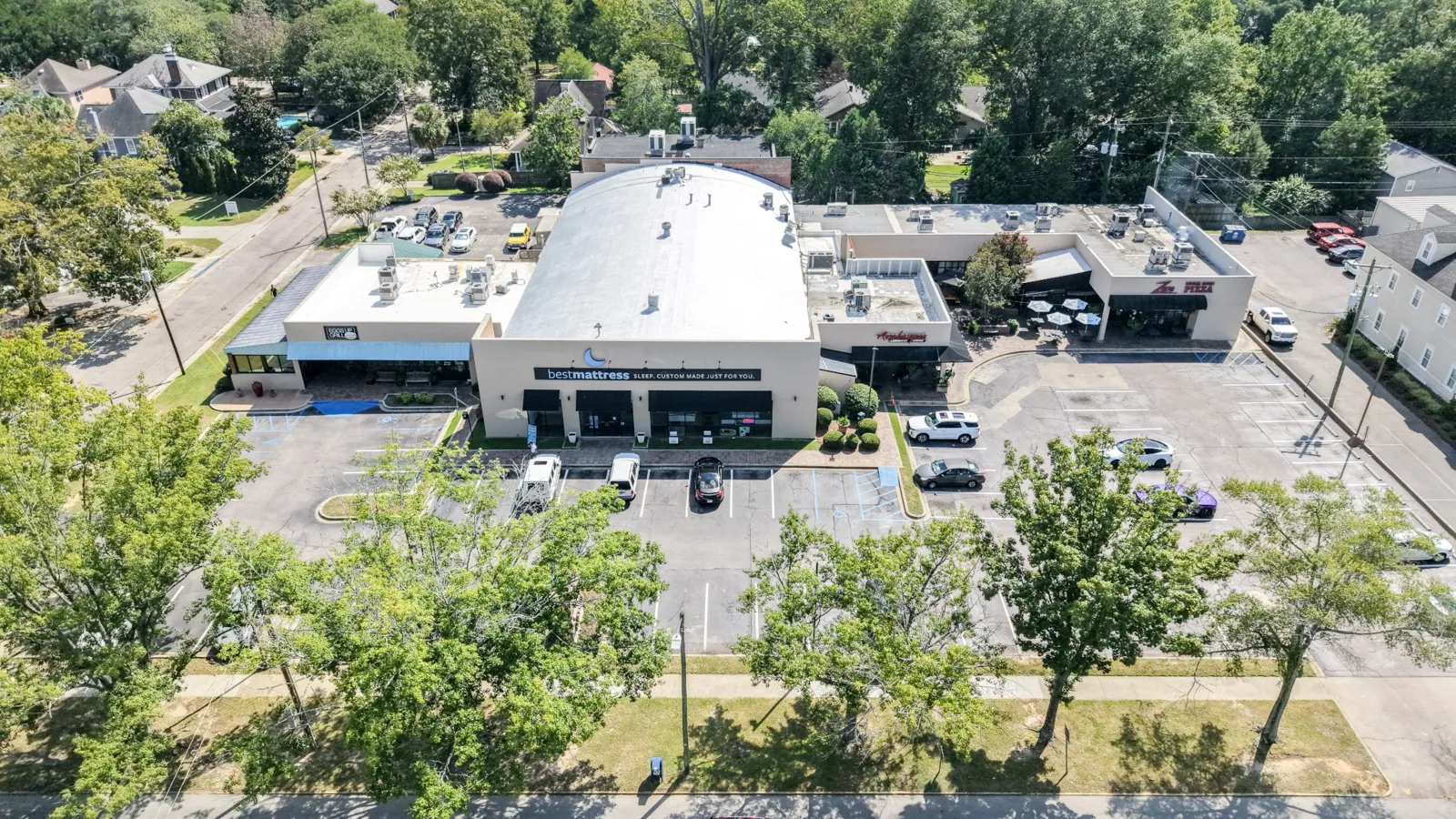
A rust-colored ring creeps across a ceiling tile in suite 4. It is the third call from that tenant this year. Each patch bought a few weeks.
Property management roofing in Greenville, TX is a budget problem wearing a leak. You carry the buildings, the tenant calls and the reserve line, and the roofs are all different ages. We walk every one, tell you which can wait and which cannot, and put the numbers in a form your owners will actually read.
Why does one tenant complaint turn into three roof repairs?
Because the stain is rarely under the hole. Water rides the deck, follows a fastener line or a lap, and drops a long way from where it came in. A patch over the stain fixes the stain. The opening stays open.
Managers see a repeat work order. We see a missing map. So we walk the roof, trace the water back to the split lap, the dried-out pipe boot or the cracked tie-in at a parapet, and fix the entry point. Then the ticket closes and stays closed.
Strip centers and flex buildings have varied roof assemblies and equipment loads. Inspect each property along I-30 before standardizing its maintenance plan. Every curb and vent is one more seal baking in the sun. When the leak is active, our commercial roof leak repair crew finds the entry first and sizes the fix second.
What lands on the owner's desk after the walk?
One report per building, built so an owner who never climbs a ladder can follow it.
- A roof plan with every defect marked and a photo beside each mark.
- A condition rank, worst roof to best, across every building you manage.
- A repair price and a replacement price for each roof, side by side.
- A year-by-year spend order, so the worst roof gets money first.
The roof condition reports carry the evidence. Your owner approves a number backed by photos, not a number backed by a phone call. When a building changes hands or a lender asks questions, that report is the file you hand over. It also gives your maintenance crew a list of what to watch between our visits, so small things get caught on a Tuesday instead of a Friday night.
A portfolio report is most useful when each building keeps its own roof map, photographs, priority list and cost range. A one-line portfolio total can hide a small urgent leak beside a large roof that can wait for budget season. Keep the recommended action, access assumption and excluded work beside each price. When a tenant reports a leak, the manager can then connect the complaint to a documented roof section instead of reopening the full inspection. The same structure also helps ownership compare bids against one scope.
Can the tenants keep trading while the crew is overhead?
Yes, with a plan written before mobilization. We stage the lift, the dumpster and the material away from customer doors and loading docks. We start the tear-off at the far end from the busiest suite. Every day ends with a dry-in, so a storm cell never finds an open deck.
Tenants get a notice from you with dates, noise windows and the parking lanes we are borrowing. We handle the rest on the roof. Restaurants and clinics get special care around their exhaust and air intakes.
Our occupied building reroofing plan covers phasing, after-hours work and a contact name the tenants can reach. A weather window can close fast in North Texas, so material is on site before the first panel comes off.
The last day matters as much as the first. We walk the finished roof with you, mark the punch list and fix every item before the lift leaves. Tenants should not see a half-finished edge or a stray fastener in the lot.
What does a roof cost, and who ends up paying for it?
Size sets the base. Four other things move the price. How much insulation is soaked. Whether the deck is sound. How many units and curbs sit on the roof. And how hard the roof is to reach with a lift.
Who pays is a lease question, and your owner and counsel answer it. Many leases pass repairs through operating expenses and treat a full replacement as capital. Your owner and counsel decide the lease allocation. We write clean line items so repair and replacement scopes stay separate on the books.
Over a long building list, roof capital planning spreads the cost across several years. Waiting rarely saves money, and a roof that fails mid-lease costs a manager more than the repair, because it also costs the tenant relationship. A small open lap this spring becomes soaked insulation by fall, and soaked insulation means the old layer has to come off.
What do Greenville storms do to a managed building?
They find the weak spot. In June 2019, gusts near 85 mph and hailstones the size of baseballs crossed Greenville and Campbell. A downtown building in downtown Greenville had its roof collapse, and a church sanctuary out on Joe Ramsey Boulevard took extensive roof damage.
Tornadoes are part of the record here too. East of Merit, an April 2014 EF1 stripped some metal roof and wall panels from a structure at FM 1569 and FM 903. After a storm affecting a listed property, inspect its roof and document hail marks before setting repair scope. Our hail damage roof repair work starts with that walk.
Summer does its own damage. Weeks of triple-digit heat dry out sealant and chalk the dark membranes. The shops along Lee Street and Washington Street in downtown Greenville feel it too. Multi-tenant retail brings in retail and restaurant chains as tenants, and the owners holding those buildings, including real estate investors and REITs, care about the same roof from the other side of the lease.
Commercial Roofing Questions
A tenant reports a drip at 4 p.m. on a Friday. What happens next?
Call our emergency line, and a crew heads out the same day. We find the entry point, tarp or seal it so the suite stays dry, and photograph the damage for your insurer. The permanent repair gets scheduled once the roof is dry enough to work. You get the written scope Monday, so the owner has numbers before the week starts.
I manage twelve buildings and cannot replace them all. How do I rank them?
Rank by risk, not by age. A fifteen-year-old roof with dry insulation and clean laps may outlast a seven-year-old roof that took hail. We walk each one, core where it matters and score them against each other. Your top three get replacement money. The middle group gets repairs and maintenance. The rest get a watch date.
Is a preventive maintenance contract worth it for a managed building?
On a flat roof, usually yes. Two visits a year clear drains, reseal penetrations and catch small laps before the next storm. That keeps tenants from calling and keeps the warranty paperwork clean. Every visit comes with photos you can forward to the owner.
Can one contractor handle every building on my list?
We can. One crew lead who knows all your roofs saves time at every mobilization, and one reporting format keeps owners comparing like with like. Some managers prefer to split work by region. That is fine too. We write each building scope so another contractor could price it from the same photos.
What paperwork do I need when a storm claim comes in?
Photos before repairs, a dated condition report and a scope with line items. We pull those together after the walk and mark storm damage separately from wear, because carriers sort them differently. Keep every temporary repair receipt. We handle the documentation, though your carrier makes the coverage call.