Industries We Serve
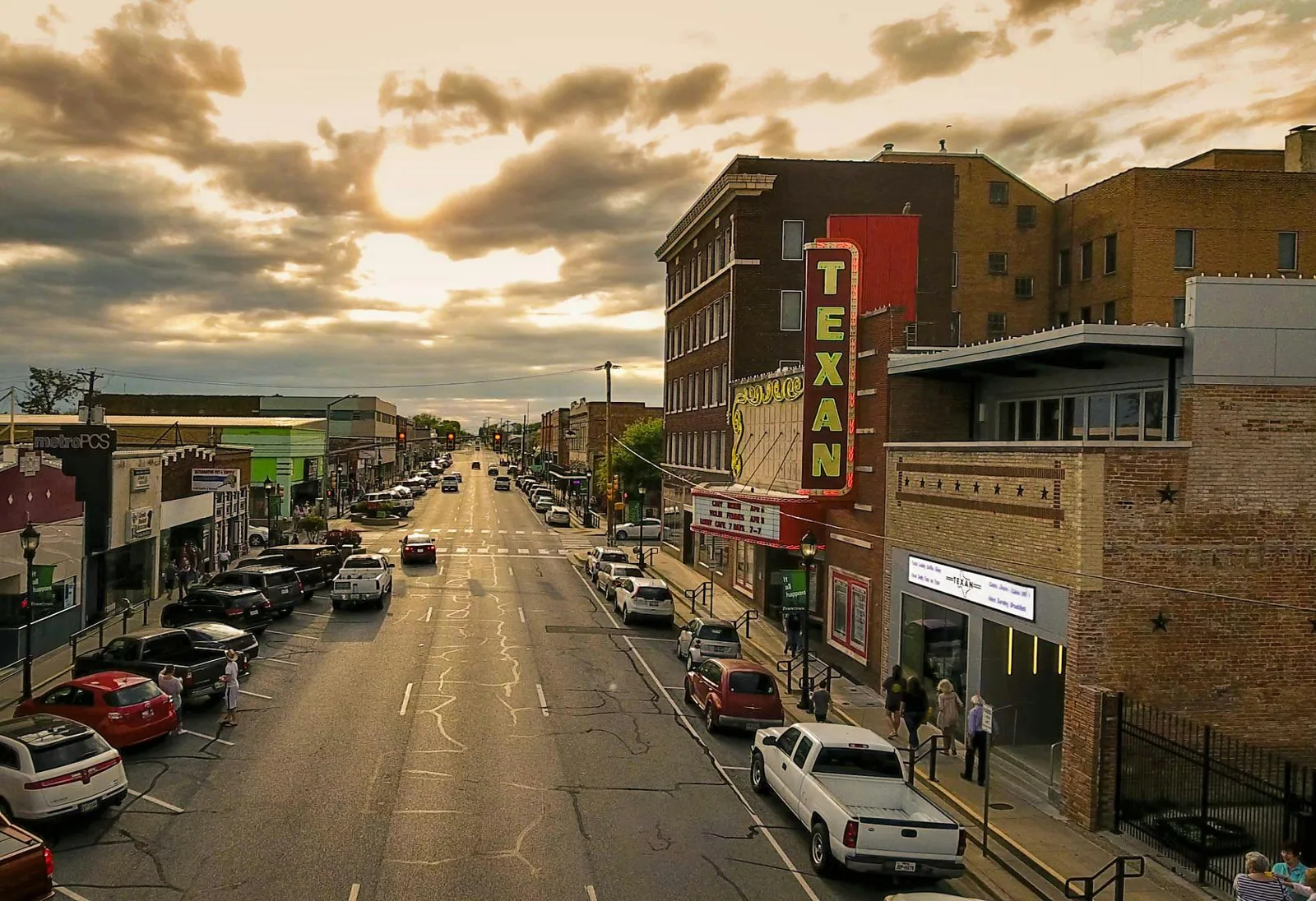
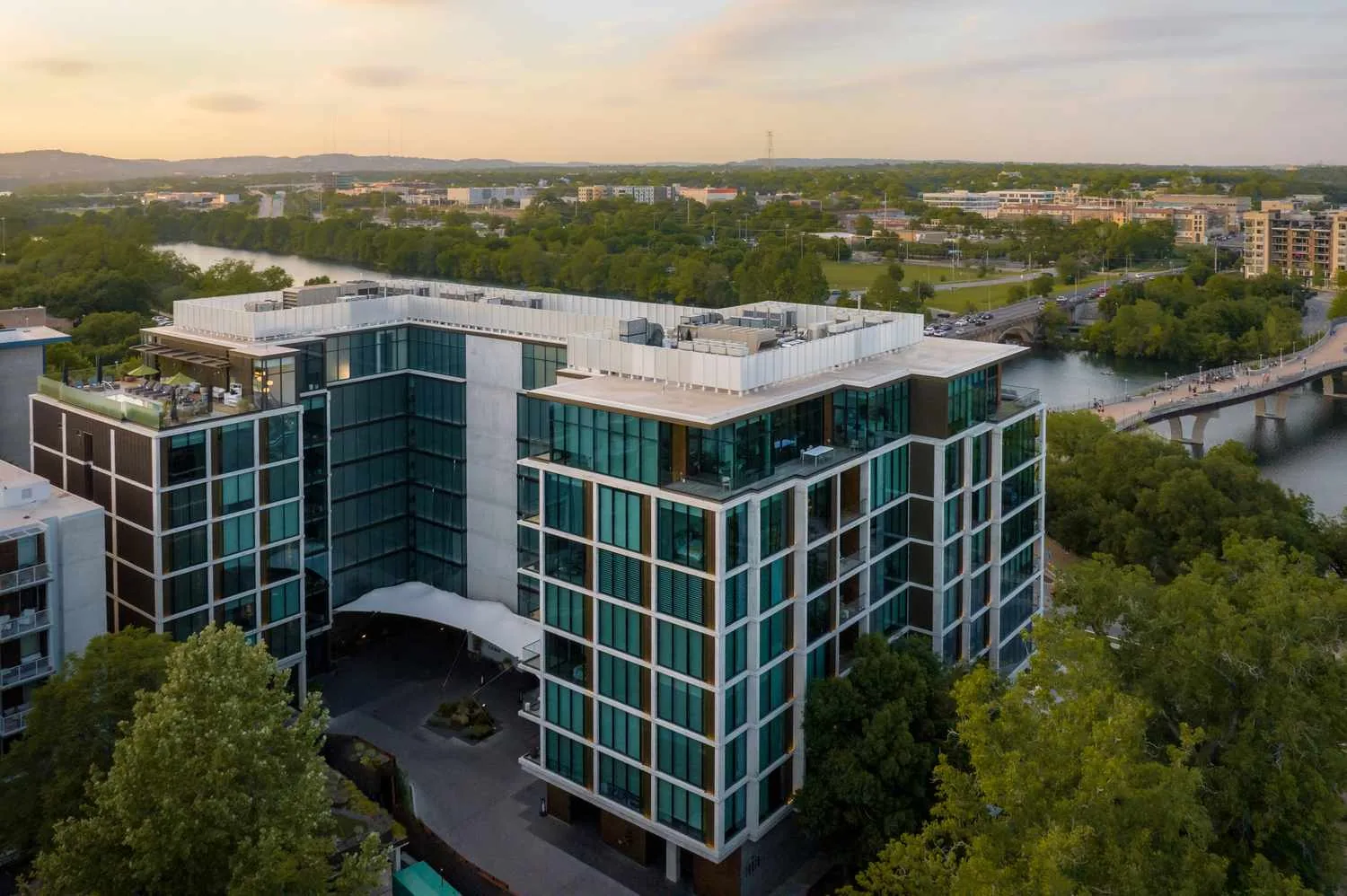
Three buildings, three owners, one hail line. The storm does not care who holds the deed, but the repair plan does. A plant manager wants the line running. A school business office needs a scope that fits its approved calendar. A property manager wants a number the owner will sign.
We write the scope for the person who has to approve it. In Greenville, TX that is a wide mix of people, and the roof problem looks different from each chair. Facts first, then the recommendation, then the cost and the weather window. That order stays the same whether the reader is an owner, a board or a general contractor with a punch list.



Who do we roof for around Hunt County?
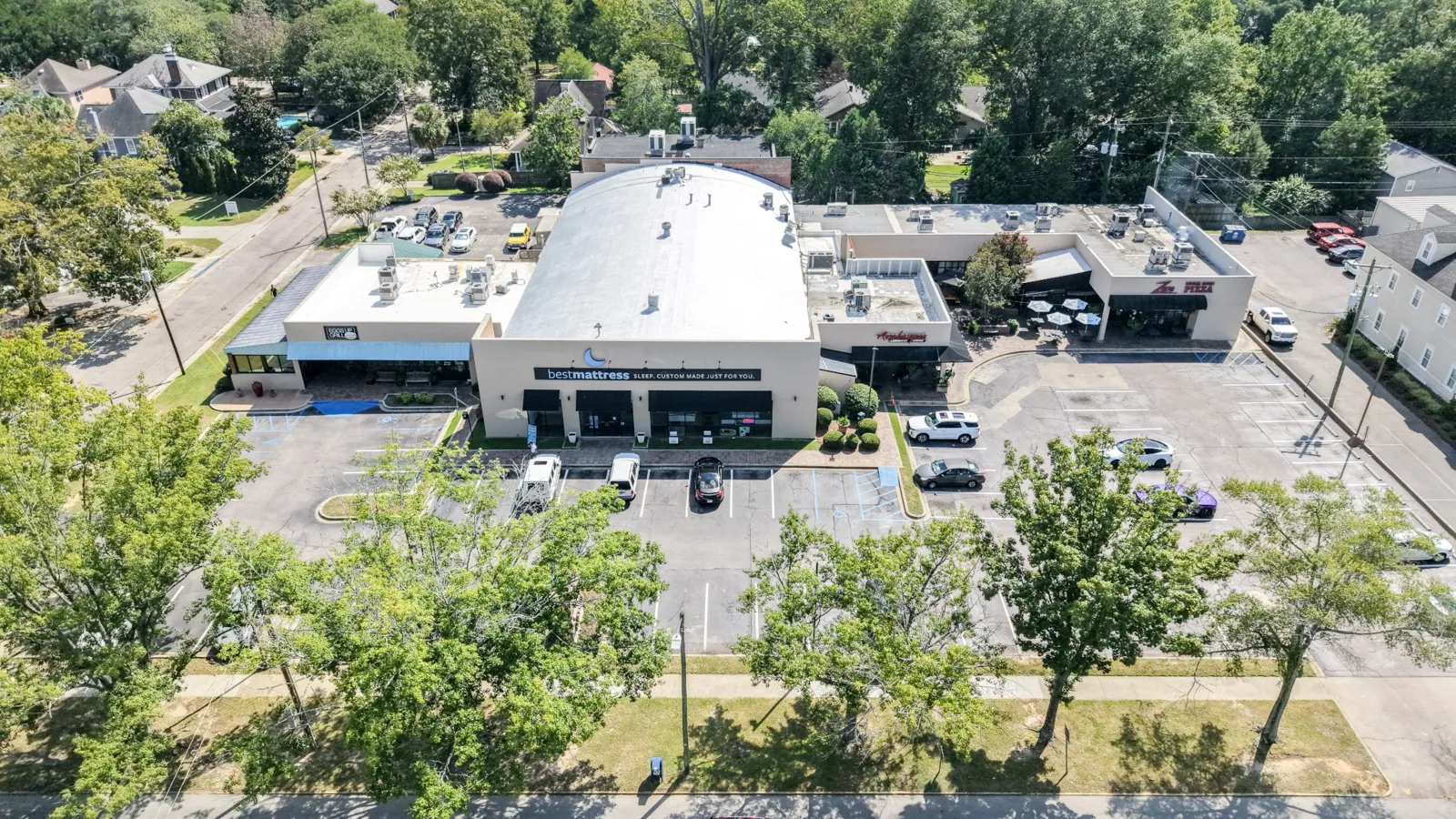
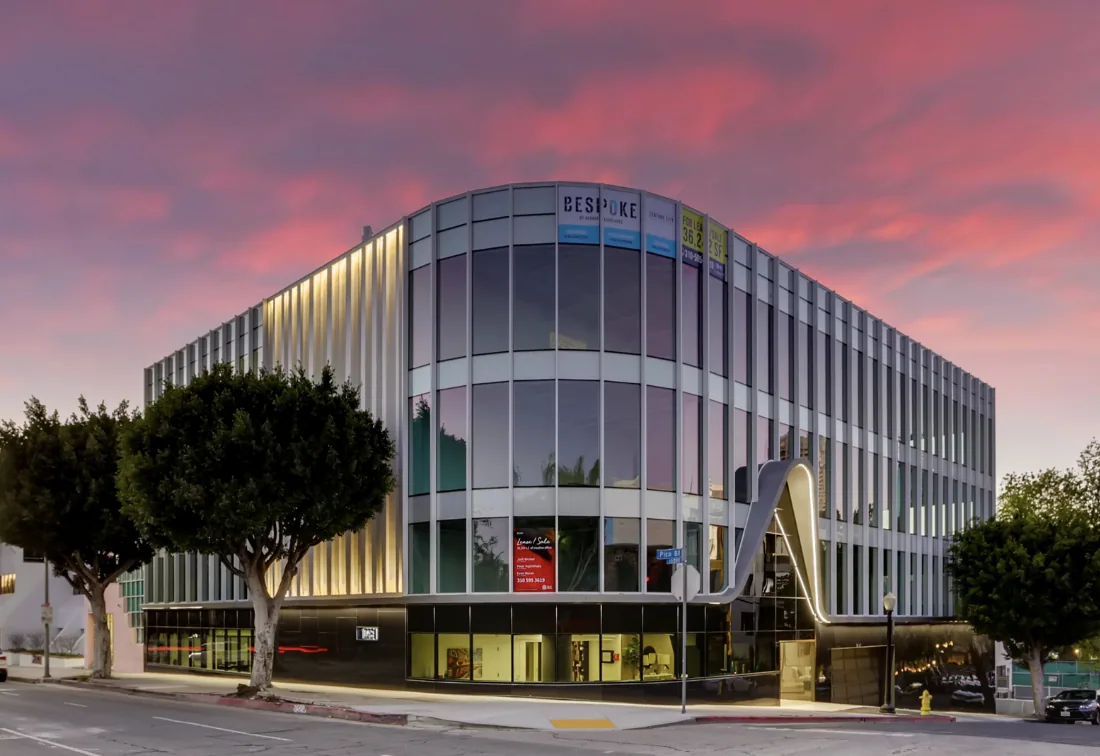
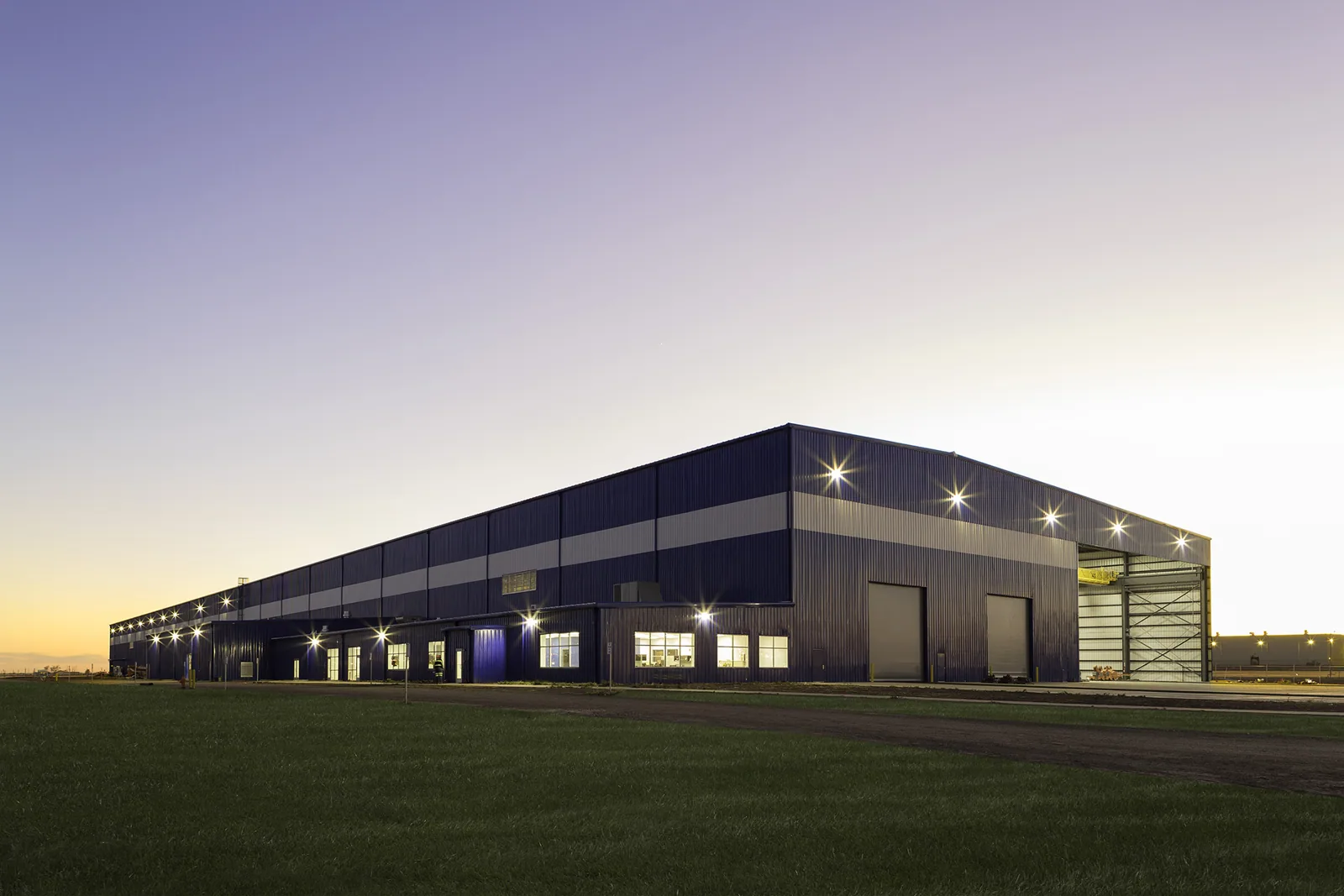
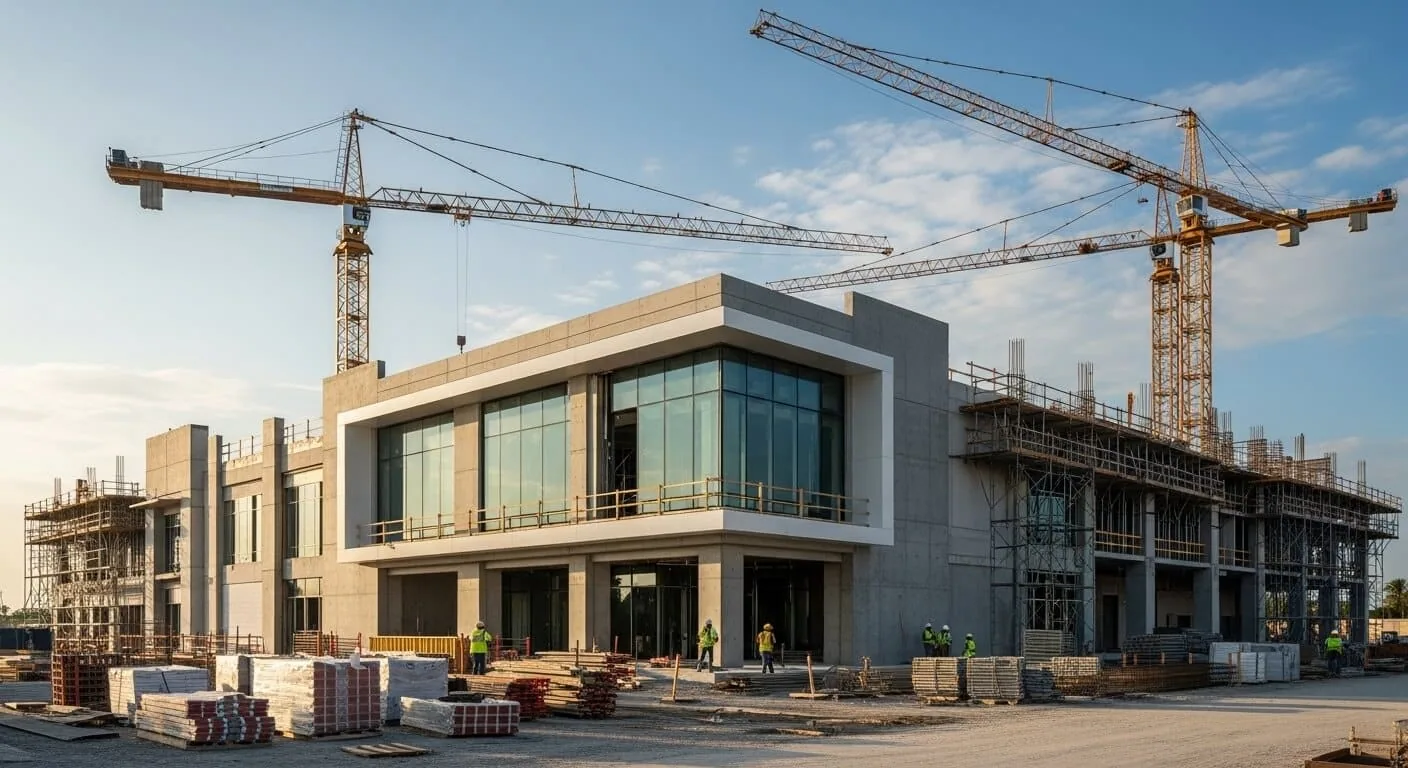
Mostly people who run buildings for a living. Property management companies want clean reports, tenant notice and a price they can defend. Manufacturers and logistics operators care about uptime above all, and the big roofs out at the Park West industrial park and along Shelby Avenue show why. A leak above a line or a dock stops money from moving.
General contractors call us as the roofing sub on new work and tenant improvements, and we hold the same schedule they do. Dry-in dates, tie-ins and punch list items get written down so nobody is guessing, and a general contractor gets the roofing sub's answers in writing before the next trade is booked.
What changes when the owner is public or institutional?
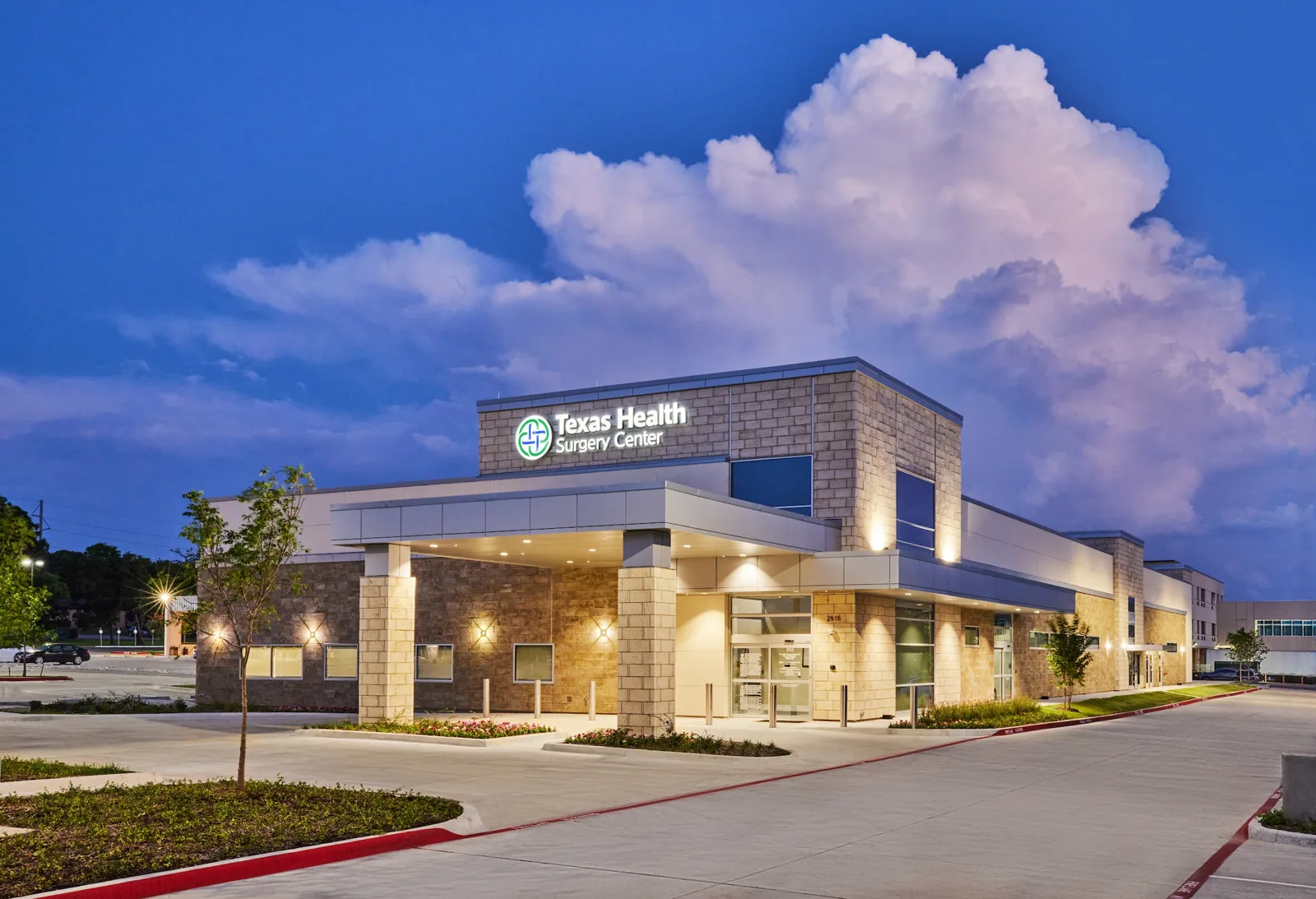
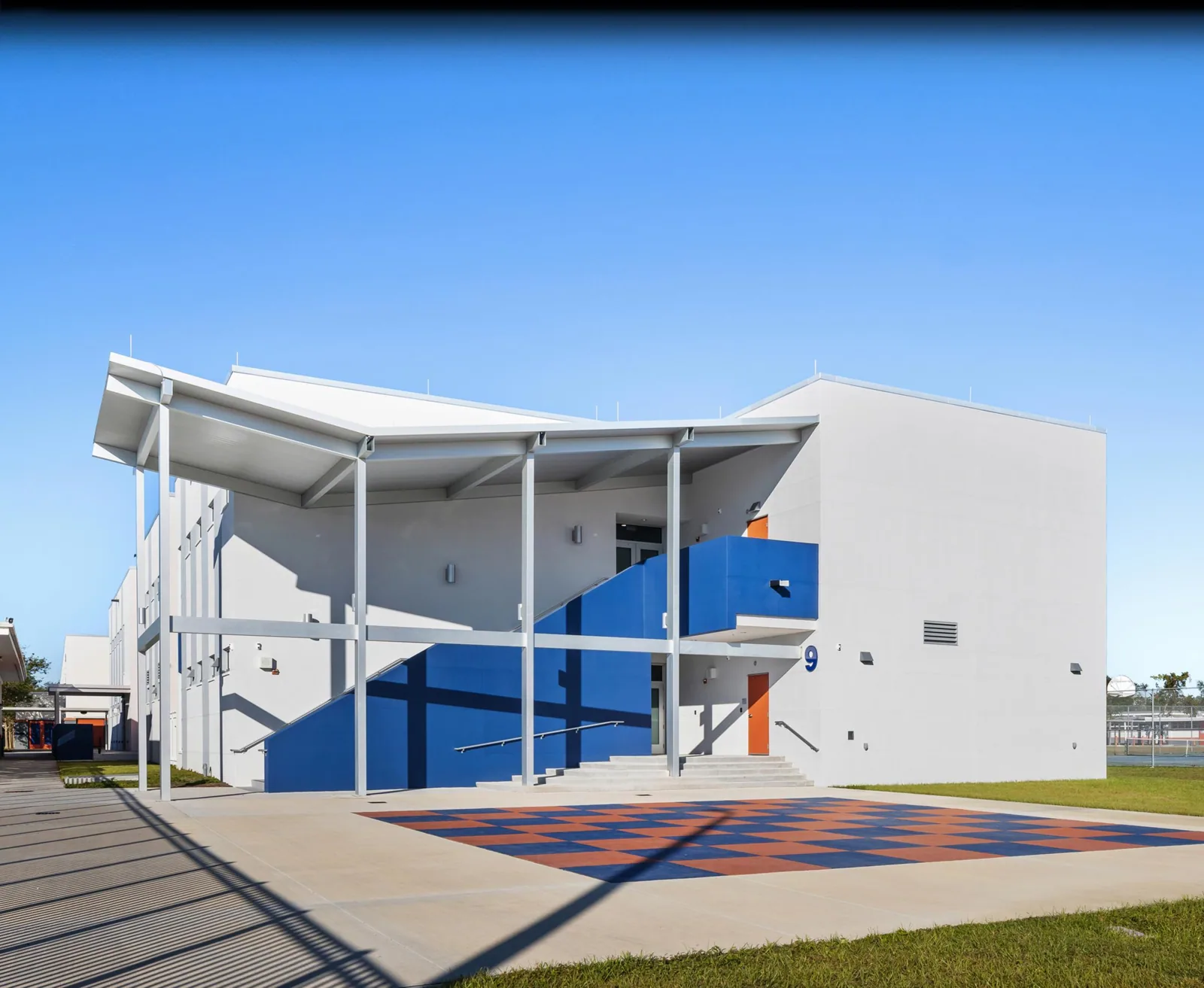
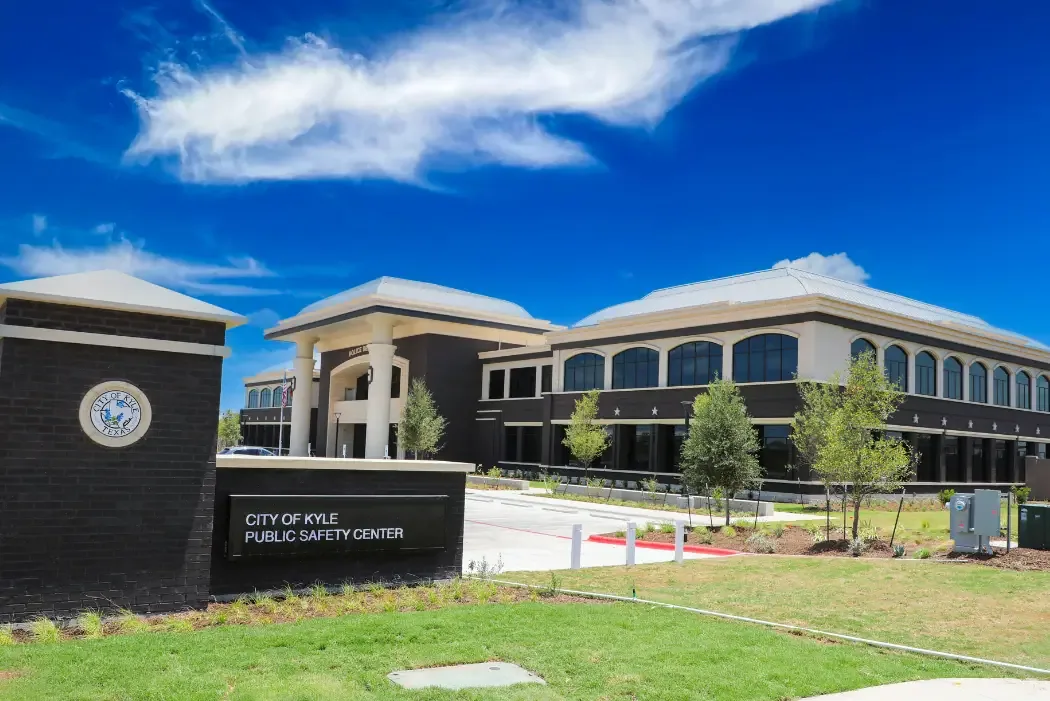
The paperwork and the calendar. School districts may have budget and access requirements to confirm. Greenville ISD is among the city’s listed major employers. For a school roof, set the project schedule with district facilities staff. Public agencies such as Hunt County government need written scopes that stand up to a procurement review. Healthcare systems add infection control and noise limits, and the I-30 and Joe Ramsey commercial corridor shows what that means on a live campus.
At Hunt Regional Medical Center on Joe Ramsey Boulevard, the property contact would set any clinical access and scheduling limits alongside the roof scope.
Who handles the claim after a hailstorm?
We build the roof half of it. An adjuster needs photos, a roof plan and a clear damage count. The June 2019 storm took a building's roof down on Lee Street and hurt a church roof on Joe Ramsey Boulevard, and insurance restoration work is about keeping that record. Owners with more than one building also lean on multi-site roof programs so the whole group gets looked at after a storm, not just the building that leaked. We pair that with hail damage roof repair when the roof needs it.
How can a multi-site owner compare roof needs?
Start with one consistent record for each building: roof areas, system where identifiable, access limits, observed defects, moisture findings, and repair urgency. Keep confirmed conditions separate from estimates or items that need testing. That makes the next capital discussion easier to support.
For public, school, medical, or industrial properties, procurement rules and operating calendars may add steps. The owner should identify bid format, insurance requirements, escort or badging rules, shutdown windows, and who can approve a change. Those details shape the proposal and schedule; they do not change what the roof inspection finds.
Commercial Roofing Questions
I manage several buildings. Where do I start?
Choose a building with an active leak, a known repair need, or a planned capital decision. Record the same roof details at each property, then rank follow-up by observed condition and operational consequence. A report should keep facts and recommendations distinct.
Can you work with my insurance company and my contractor?
The roof record can include dated photos, observed conditions, and a repair scope for the people coordinating the claim or project. The insurer determines coverage, while the property owner controls authorization.
What information helps with a multi-site roofing budget?
Use measured areas, inspection dates, known system layers, repair history, current defects, access needs, and a cost range tied to a defined scope. Mark unknowns such as concealed moisture or deck condition so the budget does not present assumptions as confirmed facts.
Can the work be scheduled around operations?
Often. The site contact can identify delivery hours, restricted zones, tenant or staff notices, and dates when roof access is limited. The roofing plan should phase work around those constraints and state how the building will be protected if weather interrupts.