Multi-Site Roof Programs in Greenville, TX
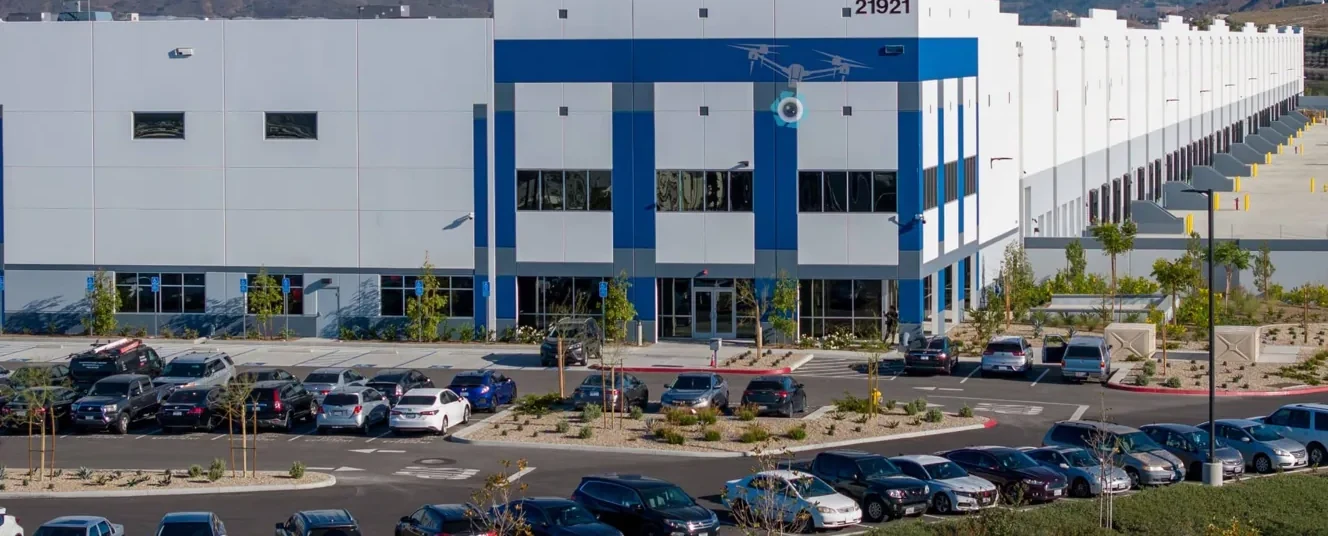
Walk several roofs on a coordinated route and a repeated flashing problem may become easier to spot. One building shows a leak. A group can show where the same repair detail deserves a closer look.
A multi-site roof program in Greenville, TX puts each building on a shared schedule and report format. The inspection rhythm, repair standard and replacement timing are set to the condition and access at each property.
Owners with a string of buildings feel the benefit first in the paperwork. One set of photos, one set of ratings and one price list for the whole group.
Why run one program instead of separate jobs?
Because separate jobs repeat the same mistakes. Each building gets a different contractor, a different patch material and a different report. Nobody sees that three roofs share a failed detail until the third leak.
A program changes that. We use the same checklist at each roof, then compare findings after the walks. If a defect repeats, we inspect the remaining roofs for that detail and match repair materials to each existing system.
Nearby sites can sometimes share a mobilization or staging plan. The quote should show travel, access and setup assumptions so the owner can compare grouped work with separate visits.
Each building still keeps its own roof file: plan, photos, warranty papers and repair history. That file is the core of roof asset management.
How does a program start?
With a sweep. We pick the order of buildings, usually by risk or by region, and walk each roof within a short stretch. Same tools, same ratings, same photo method on every one.
The sweep ends in a ranked list. Roofs that need work now sit at the top. Roofs that are sound sit at the bottom. The ranking drives the first year of repairs and sets up the longer capital plan.
Then we set the rhythm. Set inspection timing from roof condition and exposure. A pre-spring walk, a post-summer review or a storm follow-up may each fit, depending on the property and maintenance record. A single contact on our side handles scheduling, access and the punch list across all sites.
Access gets sorted up front. Each building has its own hatch, alarm and tenant rules, so we log them once and reuse them at every visit.
What does a program cost compared with job-by-job work?
Less per roof, usually, and more predictable. The price follows the number of buildings, total roof area and how spread out they are. Miles between sites cost crew time. Roofs that sit close together cost less per visit.
Program work also cuts the cost of surprises. Small repairs get done on the walk, with the crew already on the roof. Bigger items get priced and scheduled, not left to turn into emergencies.
The part that is hardest to price is the part most owners value: fewer calls. One schedule, one invoice format and one set of records mean fewer questions from the ownership group and fewer arguments over what was done.
Routine preventive maintenance forms the base of most programs. Capital work comes on top, in the order the ranking sets.
How do you keep one standard across different roof systems?
By rating the condition and not the product. A TPO roof, a built-up roof and a metal roof all get the same four bands: sound, watch, repair soon, replace. The checklist changes by system, and the bands do not.
A portfolio of mixed roofs is normal. A retail chain might hold single-ply on the newer stores and built-up on the old ones. A school district can carry metal on the gym and modified bitumen on the classroom wing. We know each system's weak spots: seams on single-ply, blisters and splits on built-up, fasteners and laps on metal.
Reports follow one layout. Roof map, findings, ratings, repair and replacement prices. A regional manager can compare buildings without reading each one twice. Our condition reports use the same format on a single building or a whole group.
How does Greenville weather shape the route?
Storms do not hit one building. The June 2019 storm ran through Greenville and Campbell with 85 mph wind and baseball-sized hail. Include post-storm roof inspections in the portfolio plan for properties affected by severe weather. We run the post-storm sweep in a set order: the most exposed and the most sensitive roofs first.
Heat sets the maintenance rhythm. Greenville summers run long and very hot, and DFW has logged 27 days at or above 100 degrees in a single July. That ages membranes and dries sealants on every flat roof in the group at the same time. Walking in the fall catches the damage before winter rain does.
The route follows the corridors. I-30 ties Greenville to Rockwall and Sulphur Springs, and State Highways 11, 24 and 50 serve Commerce and the university campus there. For sites along those corridors, map addresses and access windows before pricing a shared route; distance and site rules determine whether a coordinated trip makes sense.
Tornado history in Hunt County adds a second watch list. The April 2014 EF1 east of Merit stripped metal roof and wall panels from a structure near FM 1569. After a wind event, inspect metal panels, edge metal and attachment at each affected property.
What do chains and large owners usually put in the program?
The buildings differ, but the asks line up. Retail and restaurant chains want fast leak response and a clean paper trail for landlords. Logistics operators want crews out of dock traffic and off the ground by a set hour. School and public owners want summer windows and clean records for the board.
Walmart operates locations in Hunt County. Each big-box retail roof needs its own measured scope, equipment map and access window before the program schedule is set. Record the roof system, inspection date and next service window for each building in the portfolio.
After a storm, the program shifts gears. Hail and wind get a documented sweep, with photos ready for each building's insurer. The fixes then run as storm damage roof repair, priced building by building.
Commercial Roofing Questions
We hold six buildings in three towns. Is that enough for a program?
Six roofs in three towns can be assessed as a group if the owner wants a shared record. We start with the scope, route and reporting needs, whether the group has two roofs or more.
Start with the building that leaks most. We build the program out from there.
Can each location keep its own manager and budget?
It can. Site managers still call in problems and approve local repairs. The program gives them a common checklist and a shared photo record, and gives the owner a single roll-up. Most groups keep local control for small items and approve capital work at the top.
We route each invoice to the right cost center if you give us the codes at the start.
What happens when a storm hits several sites at once?
We triage. Occupied, exposed and open-leak roofs get crews first. Then we tarp or temporarily seal what has to wait for a full repair, and we photograph every building for the insurer. After that, the rest of the group gets walked in the order the file sets.
Our phones and crews stay live on nights, weekends and holidays, which is when storms like to show up.
Do we have to move every roof to one product to join?
No. Mixed systems are normal. We repair each roof with materials that match what is on it, and we replace on the schedule each roof earns. Standardizing on one system is an option at replacement time, not a requirement for the program.
When you do pick a standard, we help weigh the trade-offs.
How do I get a read on the whole group before agreeing to anything?
Ask for the sweep. We walk each roof once, rate it and hand back a ranked list with repair and replacement numbers. You can use the list with us or with anyone else.
Many owners begin with their three worst roofs and decide on the rest once they see the format.