Data Center Roofing in Greenville, TX
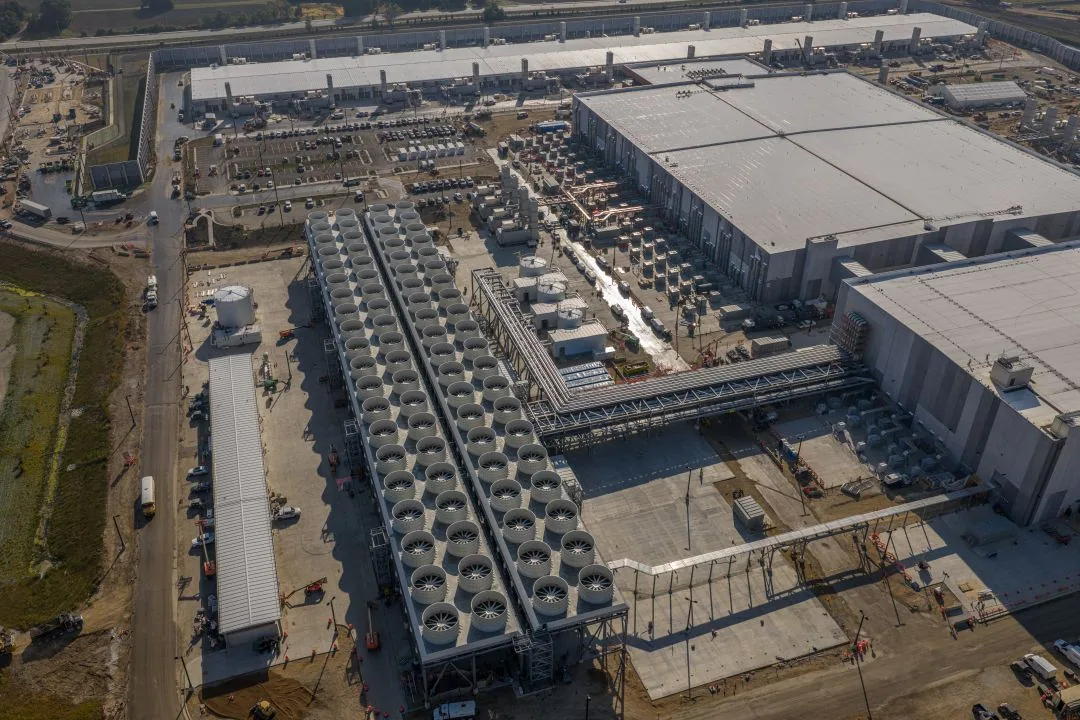
A cracked pipe boot sits above the mechanical yard, and nobody has looked at it in a year. On most buildings that is a repair ticket. Over a data hall it is a risk with a very large number attached.
Data center roofing in Greenville, TX comes down to one rule: no water over the racks, ever. We treat the roof as a piece of mission-critical equipment. That means tight inspection, planned repairs, and change windows set far ahead. We walk it, mark every weak point and give you a scope you can hand to your facilities lead and your insurer.
What makes a data center roof different from any other flat roof?
The stakes, and the crowd on top of it. A normal flat roof might carry a few rooftop units. A data center roof often carries chillers, dry coolers, generator exhaust, electrical gear and a lot of piping and conduit. Every support leg, pipe run and cable tray is a possible leak.
The roof also has to stay quiet. Vibration from large equipment loosens flashing and wears the membrane at the support points. Heat from exhaust can soften certain materials, and tight maintenance walkways keep foot traffic off the field.
Many owners add a second line of defense under the main roof: drip pans, a sealed deck over the white space or leak detection. We build the roof scope to work with those, not around them.
Where does a data center roof leak, and who pays when it does?
At the equipment, nearly every time. Pipe boots crack, curbs settle, conduit penetrations dry out and screws work loose under vibration. Added equipment is the usual cause. Each new unit brings new cuts in the roof and a different contractor on the deck.
When a leak does happen, the roof cost is the small part. Downtime, hardware and customer contracts dwarf it. That is why owners pay for scans and condition reports instead of waiting for a stain. An infrared moisture survey finds wet insulation long before it drips, and a clean report gives your insurer a record.
Who pays depends on your lease and your equipment contracts. We document every penetration and every repair with photos so the answer is easy to prove.
What do we check before a Texas heat wave?
Everything that touches the cooling plant. The roof around the chillers and dry coolers takes the hottest air in the building, and a Texas summer adds to it. We look at membrane condition near exhaust, sealant at every equipment curb and support, drains that carry condensate and overflow scuppers that must stay clear.
Color and reflectivity matter too. A white membrane keeps the deck cooler and trims the cooling load, which is the whole point of cool roof installation. A reflective TPO roof is a common choice when the deck is large and the equipment list is long.
We also check walk paths and equipment pads. A worn path or a missing pad is the next leak, and it is cheap to fix before summer.
How do you reroof over a hall that never goes dark?
Slowly, in sections, and by the calendar. For a data center roof project, agree on access, escort, hoist, delivery and work-hour requirements with the facility team before mobilization. Nothing starts until your operations team signs it.
We avoid torch work and anything that throws sparks or smoke near air intakes. Dust and debris get controlled at the source. Tear-off sections stay small, and each one is dried in with a temporary or permanent membrane before the crew leaves for the day.
Tie-ins to live equipment are the delicate part. We coordinate each one with your engineers so power, cooling and pipe work are protected while the flashing goes in. A weather window is part of that plan, because rain over an open section is the one thing the schedule cannot absorb.
What does the work cost and what drives it?
Equipment drives it more than area. A roof with a hundred supports and a crowded mechanical yard takes much longer than an empty one of the same size. Escort time, restricted hours and the need for protection add labor.
Then come the usual items: insulation condition, deck type, whether the old system can stay and what the building needs for fire and wind ratings. We show a repair price and a replacement price, and we show them in a phased plan so you can spread the cost across budget years.
The cheaper roof is not the lower bid. It is the one that does not leak. We scope tie-ins, penetrations and edge details in full so the price on paper is the price at the end.
What should a Greenville data center owner plan for in storm season?
Plan for wind first. Greenville recorded 85 mph straight-line winds and baseball-sized hail on June 19, 2019; Hunt County has 75 recorded tornadoes since 1680. Use an event affecting the property to trigger an inspection. A roof full of equipment is also a roof full of things that wind can lift, so edge metal and curb attachments need a hard look before spring. After a hit, tornado damage roof repair starts with a dry-in and a count of every lifted curb.
Greenville has three developed industrial parks with more than 700 acres available, including Industrial Park West along SH 380 and the park beside Greenville Business Air Park, and it sits within about an hour of DFW International Airport. Rockwall is served by I-30 and has a humid subtropical climate with hot, humid summers. Evaluate each data center roof using its design documents and inspection findings.
Other mission-critical roofs, like a hospital roof, get the same dry-in-first thinking, and the shared office wing of a data building often runs like an office building roof.
Commercial Roofing Questions
How often should a data center roof be inspected?
Twice a year at minimum, plus after every major hail or wind event and after any trade works on the deck. Add an infrared scan every year or two to catch wet insulation. Keep every report, since a dated record of roof condition helps with insurance, audits and capital planning. The roof is cheap to watch and costly to ignore.
Can the roof be replaced without shutting anything down?
Yes, with a tight plan. We work in small sections, dry each one in before leaving and avoid work directly over critical space at the riskiest times. Your team approves the sequence in advance. Where a tie-in needs a brief outage, we schedule it for a maintenance window and keep the crew ready.
Do you work with our security and badge rules?
We follow whatever the site requires: background checks, badging, escorts, restricted hours and equipment inspections. Send the rules early and we will build them into the schedule and the price. Surprises on the day of the job cost time, and security delays are best handled before the crew mobilizes.
What about solar or new equipment on the roof?
Check the roof before anything goes up. New supports and arrays add penetrations and traffic, and a tired membrane under them is costly to fix later. If the roof is near the end of its life, replace it first. Our team can mark where equipment should sit so the membrane stays protected.
Is a coating worth considering on a roof with this much equipment?
Sometimes, if the membrane is sound and the insulation is dry. A coating can add reflectivity and extend life without tear-off. Crowded roofs make clean, even coating harder, though, since every pad and pipe needs hand work. We test first and give you a straight answer on whether coating saves money.