Hospital Roofing in Greenville, TX
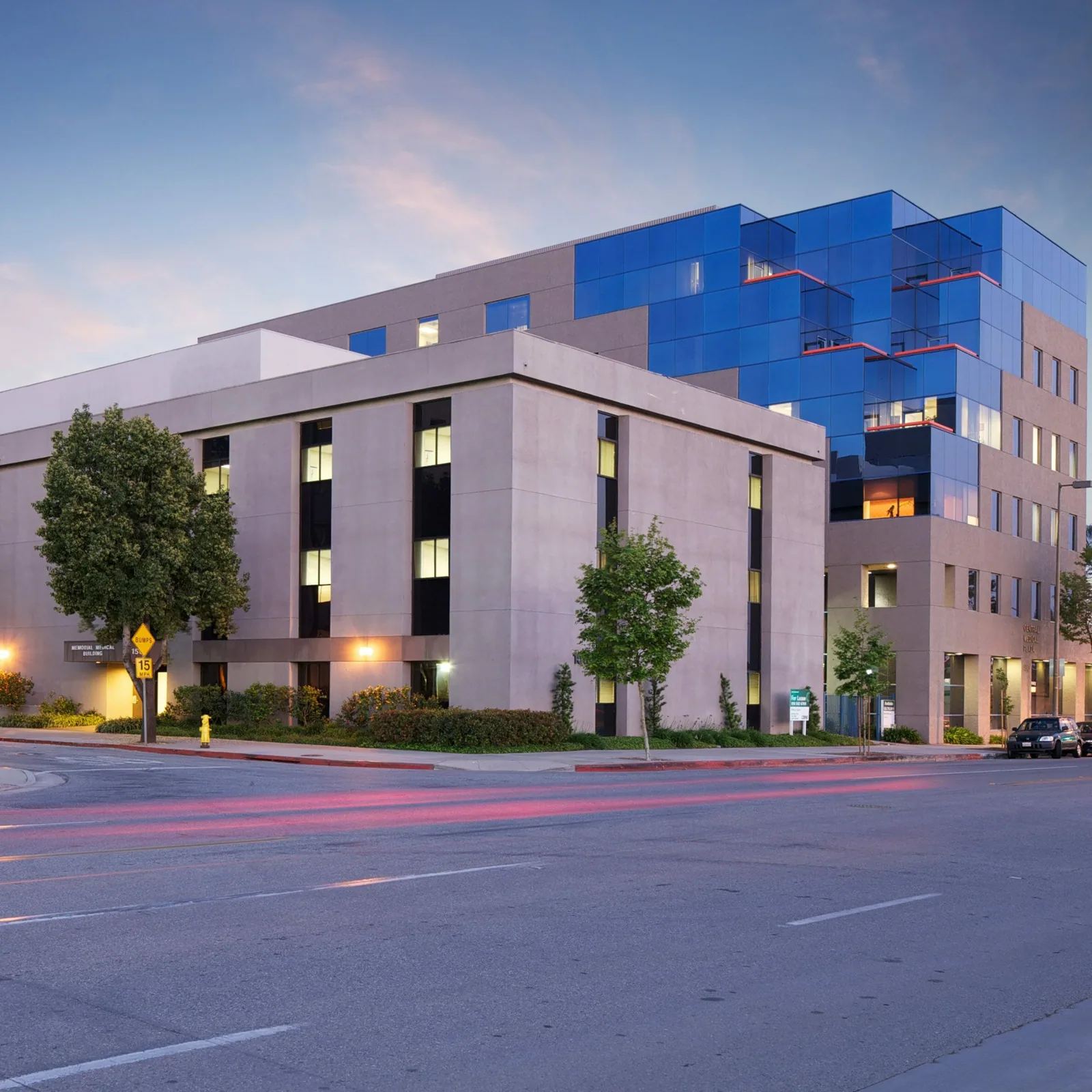
Ponded water sits on the roof over a wing that never closes. The membrane has gone chalky around it. Under it are patient rooms, and the roof cannot be shut down for a weekend like a warehouse can.
Hospital roofing in Greenville, TX means working over people at their most vulnerable. Every repair has to fit infection control, patient safety and a 24-hour schedule. We walk the roofs, sort them by risk and give facilities a phased plan with prices. The goal is a dry roof and a clear work plan for the clinical floor.
What changes when the roof sits over an operating hospital?
Nearly everything. Surgery suites, NICU, pharmacy, imaging and the lab all need clean, dry, controlled space. A leak can close a room, cancel cases and trigger infection control review. The roof is part of the building's life safety system, not just its cover.
Roof work also happens next to things that must keep running: generators, chillers, medical gas lines, exhaust and air handlers. Each is a tie-in that needs coordination with plant operations. A missed detail near an intake can bring dust and fumes into the building.
We plan with facilities, safety and infection prevention staff before any equipment arrives. Everyone signs off on the method, the hours and the stop rules. Facilities gets the method, hours and stop rules before work begins.
One more coordination point matters: document which department approved each work window and who can stop work if clinical needs change.
How do infection control and air intakes shape the job?
They set the rules. Hospital work near patient areas needs coordination with infection prevention. Confirm the facility review and controls before staging. Dust, debris, odor and moisture all get managed at the source.
We cover or block air intakes during tear-off, keep material staging away from them and use low-odor adhesives and mechanical attachment wherever we can. Torch work is avoided. Debris leaves the roof in covered bins, not by open drop. Ceiling spaces below get checked before and after for moisture or dust.
Wet insulation is a particular worry in a hospital. It grows mold in the plenum and feeds air quality complaints. That is why moisture scans and cores come early. An emergency roof repair may still be needed after a storm, and we respond on that schedule too, day or night.
Where do campus roofs fail, wing by wing?
At the joins. A hospital grows in layers: an original building, then an addition, then a newer tower. Each wing has its own roof system, age and detail. Where they meet there are expansion joints, wall flashings and drainage changes that fail first.
We also see mixed systems. A built-up roof on one wing, a single-ply on the next, a metal canopy at the entrance. Each ages differently. The report ranks every roof area on its own, so you can see which one needs a repair this year and which one can wait.
Penthouses, mechanical yards and rooftop gear add their own list. Pipe supports, curbs and vent stacks all get walked and photographed, and each repair is tied to a drawing the facilities team can keep.
How do we phase a reroof across a building that never closes?
Wing by wing, and section by section. We start by agreeing which areas are most sensitive and when. Roof over surgery may only be touched on certain days. Roof over administration can run longer hours. Noise and vibration get matched to what is happening below.
The crew works behind barriers and clear routes. Material goes up on a hoist away from entrances and ambulance lanes. Each section is dried in before the crew leaves, so the building is covered every night. We keep a crew on call for the weather window that closes early.
An occupied building reroofing plan puts all of that on paper, with names, hours and a punch list at the end.
How do owners budget for a campus of roofs?
Wing by wing, over years. Replacing every roof at once is rarely possible. A condition survey ranks each area, and a roof capital plan spreads replacements across budget cycles, with repairs for the ones that can wait.
The price moves with size, wet insulation, deck type, penetration count and whether the old membrane stays. In a hospital, add restricted hours, protection and coordination time. Those costs are real and belong in the number, up front.
The best savings come from timing. Fixing a small area before it spreads costs a fraction of replacing a soaked wing. We put both numbers in the report so the hospital board and the facilities team see the same picture.
What do Hunt County storms mean for healthcare roofs?
They mean readiness. Hunt County records May as its peak tornado month, and Greenville recorded baseball-sized hail in the June 2019 storm. Set a hospital roof inspection from the event affecting that property and the facility’s access plan. A hospital roof has to be dry and tied down before spring, since a damaged one cannot wait for a quiet month.
Hunt Regional Medical Center in Greenville opened in 1971 and broke ground in 2021 on a 31,000 square foot two-story expansion for surgical and women's services, plus a 27,000 square foot obstetrics renovation. A campus with old and new wings like that needs each roof planned on its own, and the I-30 and Joe Ramsey commercial corridor is where that plan starts.
Other regional facilities include the 78-acre VA center in Bonham and the 316-bed state hospital in Terrell. A VA roof scope starts by identifying the building, access and operating needs. Smaller clinics follow the pattern of medical office roofing, and owners who run several campuses need a separate record for each roof.
Commercial Roofing Questions
Can a hospital roof be replaced while patients are inside?
Yes, and it happens often. The key is phasing: we agree which roof areas can be worked on and when, then keep each opening small and dried in the same day. Infection control sets the rules for dust, odor and noise. Clinical staff get a weekly schedule so no one is surprised by what is happening above them.
How do you protect surgical and NICU areas below the work?
Plan the sequence around them. We schedule the quietest, cleanest work over those rooms, pick low-odor and low-vibration methods and check the ceiling space before and after. Facilities can call a stop at any time. Where a case is under way or a baby is in care, the crew waits.
What if a storm damages the roof at night?
Call us. Emergency response runs 24 hours a day, every day, including weekends and holidays. We bring a crew, dry-in the opening with temporary material and photograph the damage for the claim. Then we plan the permanent repair for a time that fits patient care, not the other way around.
How do we keep roof work from breaking air quality rules?
Work with infection prevention from the start. We follow your construction risk plan, seal or cover intakes, keep debris covered and wipe down staging areas. Ask for air monitoring when your policy calls for it. Dust at an intake is the most common problem, and it is easy to prevent with planning.
Is it better to repair a hospital roof or replace it?
Scan and core it before choosing. A roof with dry insulation and a few failed seams can be repaired and may last several more years. A roof with soaked insulation or a failing deck should be replaced, since repairs there only move the leak. We price both so the board can compare.