Commercial Roofing in Terrell, TX
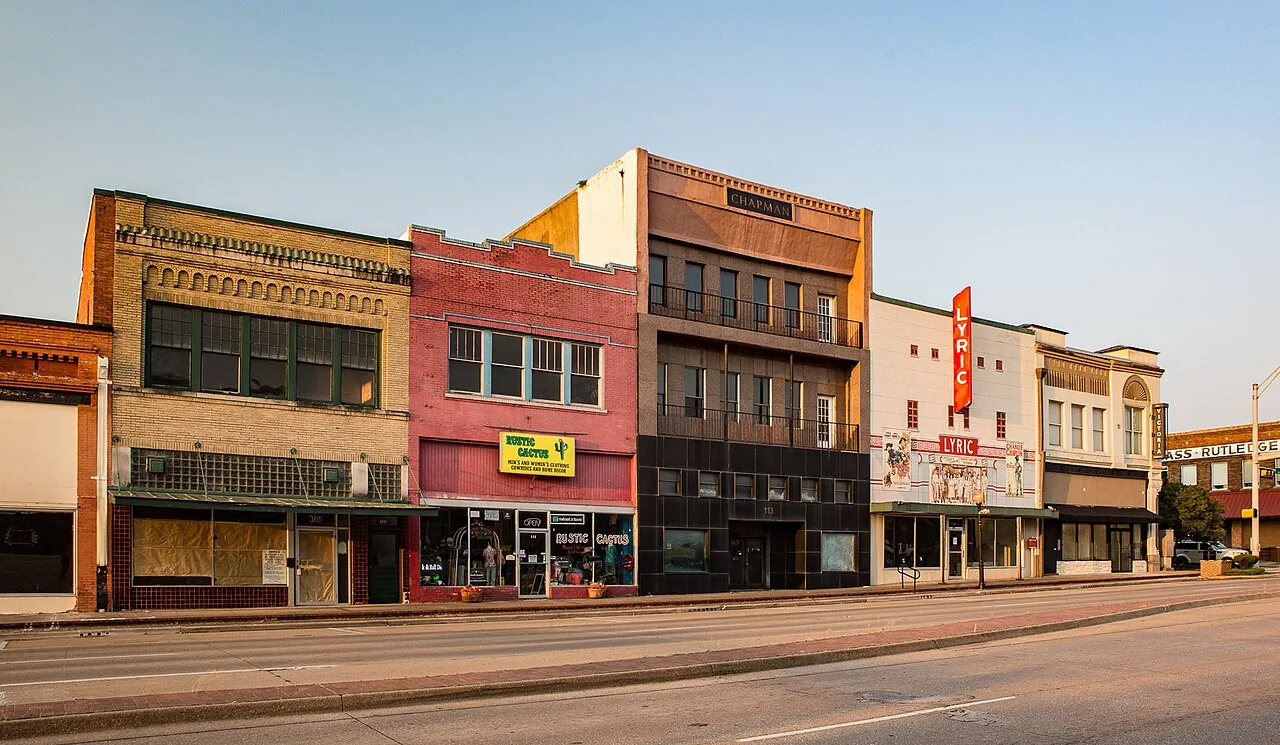
A bead of caulk crosses the old wall flashing, and the patch beside it has started to lift. That repair history needs a roof walk before anyone prices a recover. We trace the detail, test the surrounding material and separate an isolated fix from a wider failure.
Terrell has Terrell State Hospital, Southwestern Christian College and a history as a railroad town. We inspect commercial roofs in Terrell and develop repair, recover or replacement scopes from the confirmed condition. We walk each roof, record what we find and give you a scope that works with your budget cycle.
How do you rank roofs across a campus?
One at a time, then as a set. Terrell State Hospital is a 316-bed psychiatric campus with multiple large institutional buildings. Southwestern Christian College is also located in Terrell. For a multi-building roofing program, confirm which properties fall within the owner’s portfolio, verify access, and inspect each roof before setting a shared scope.
The first task is a survey. We walk every roof, photograph the defects, and rate each section by condition. Then we rank them. The worst roofs go to the top of the list, and the ones that can wait get a monitoring plan.
That ranked list is the heart of a multi-site roof program. It tells a facilities director which roof to fund first, which to patch and which to leave alone this year. It also keeps surprise leaks out of the budget.
What do you change when the building houses patients?
Almost everything about the schedule. A hospital-type roof sits over rooms that run around the clock, so noise, dust and odor all matter. We pick quiet systems where we can, schedule loud work with the facility team and keep debris and equipment away from air intakes and patient areas.
Access rules matter too. A state campus can have its own check-in and escort steps, and we plan crew arrival, material delivery and lift position around them. Nobody should be waiting at a gate while a weather window closes.
We write the plan down. Section by section, day by day, with the dry-in time for each section and a contact on the crew who answers the phone.
What should a Terrell roof check after storm season?
After spring storm season, start with the edges, wall bases and exposed roof details. Hail can bruise a membrane without opening it, while straight-line wind can lift coping or pull at mechanically attached seams. We photograph each condition and mark its location before pricing a repair.
Terrell sits in North Texas, where spring fronts can bring hail and strong wind, followed by long hot stretches. On a campus, inspect every roof separately. Check the membrane, fasteners, flashing, drains and equipment curbs, then compare those findings with the building’s leak history.
If the walk finds lifted edges or opened seams, we scope wind damage against the observed condition. A repair plan should name the affected roof zone, the material to replace and the protection needed below it. We schedule the work around occupied rooms and close each section before the weather window changes.
What does reroofing an older Terrell building cost?
Terrell grew along the Texas and Pacific railroad after the line reached town in 1873. A current roof still needs its own layer count and deck check. We test the assembly and inspect flashing before pricing a recover. Each layer adds weight and tear-off labor.
Wet insulation is the biggest swing. A dry deck and dry board keep the scope tight. A wet one means cutting out material, replacing deck sections and flashing everything back in.
We separate those pieces on the estimate. A moisture survey before pricing shows which part of the roof is wet and which part is fine, so you pay to fix what is broken and not a square foot more.
When should a college or public owner plan the reroof?
Early, and with a weather window in mind. A public owner or a college has a budget cycle, a bid process and a calendar that all pull in different directions. The roof does not care about any of them. It leaks when it leaks.
We help by giving each roof a repair number and a replacement number, along with a rough sense of how long each will buy you. For a college roofing project, confirm the institution’s academic and facility calendar before proposing a work window.
For public buildings we can also write the scope in a form that fits a bid package, so a facility manager is not starting from a blank page.
Can your crew respond in Terrell?
Yes. We serve Terrell along I-20, U.S. 80 and SH 34, as well as nearby Kaufman and Forney. For a multi-building owner, each property gets its own roof map, repair list and price, with one schedule to coordinate access.
If a storm opens the roof, our emergency roof repair service runs around the clock, including holidays. We confirm the site contact, safe access and the areas that need temporary protection before mobilizing.
Terrell’s railroad history is visible in its connection to I-20, U.S. 80 and SH 34. Those routes help plan crew and material access, while building height, gate rules and occupied spaces determine the staging plan. On an institutional campus, we review roof access and daily work limits with the facility contact, then map drains, curbs and transitions on each building.
A shared project calendar can coordinate the campus, but each roof keeps a separate condition record and scope. That gives the owner a practical comparison across buildings without treating different assemblies as one job.
Commercial Roofing Questions
We have fifteen roofs of different ages across one campus. What is the first step?
Get a condition report on every one. Then rank them by risk, not age. A young roof with a bad detail can be worse than an old one with dry insulation. That list becomes your capital plan, and it tells you where a repair buys time and where it only wastes money.
How do we plan work over a building that has to stay in service all day and night?
Section by section, with a written schedule. We agree on noise windows, air-intake protection, material delivery routes and a contact on the facility side. If a section cannot be dried in before dark, we do not open it. Patients and staff should feel as little of the job as we can manage.
What does a good roof file for a state or public owner look like?
A roof map, dated photos, core findings, a ranked defect list and a plain statement of cause on any damage. We keep each report in the same format, so a facilities director can compare year to year. That file also saves hours when a bid package or an insurer asks for history.
Is a recover a smart option on a very old institutional roof?
Sometimes, if the deck is sound and the insulation is dry. Many older roofs carry a hidden layer already, and the deck may be tired. We probe, cut cores and check the structure before recommending a recover. When the answer is tear-off, we say so and show why.
What should an inspection check at a commercial roof edge?
Start by checking the roof-to-wall transition, coping, counterflashing and drainage. Those details can be vulnerable on many commercial buildings, but their condition needs to be verified on the specific roof. We start with the roof edge and the wall tie-in, then move into the field. A repair that skips the edge rarely holds.