College and University Roofing in Greenville, TX
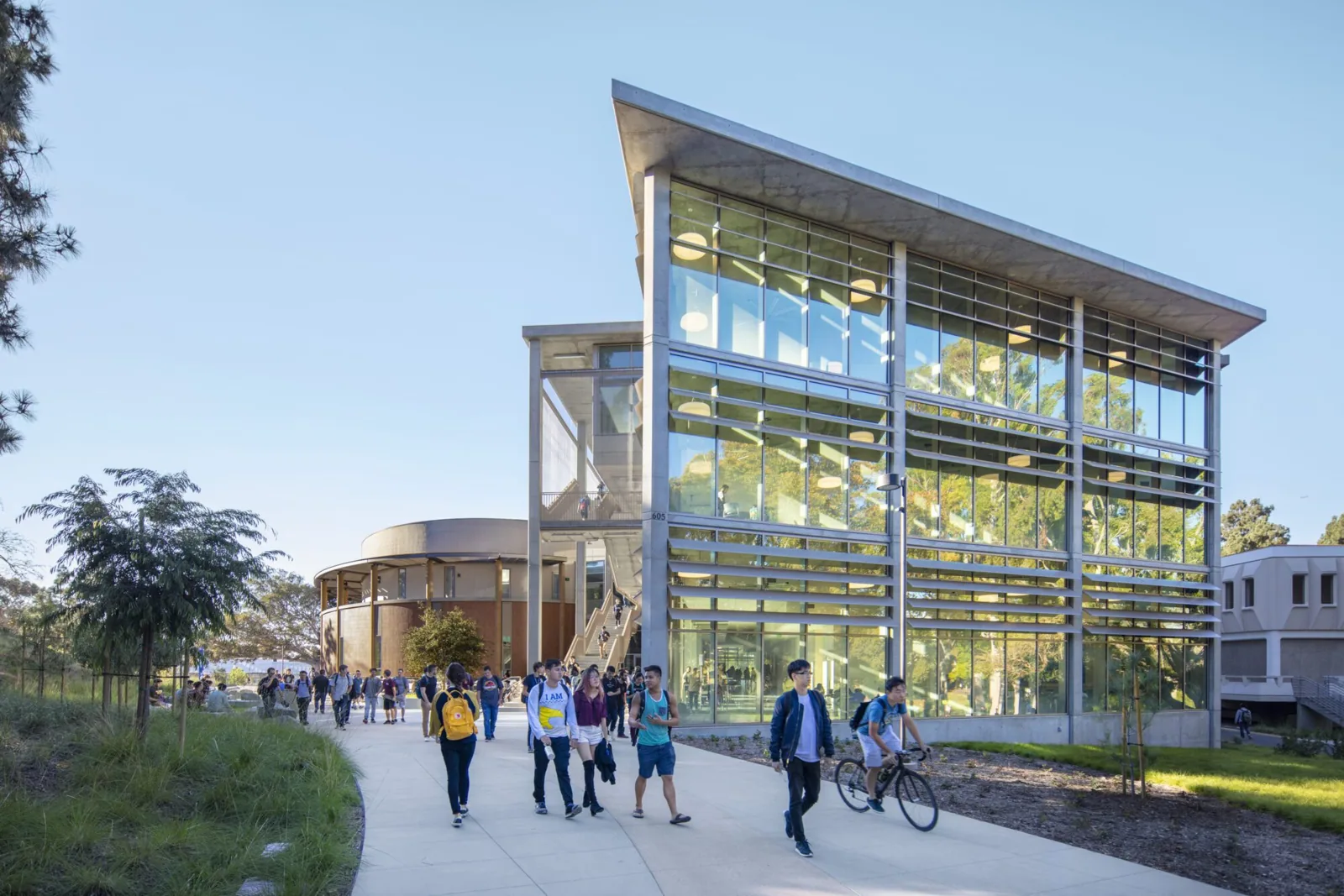
A hairline crack runs along a masonry parapet cap, and nobody on the ground can see it. Water can. It gets behind the cap, soaks the wall and shows up as a stain in a dorm stairwell two floors down.
College and university roofing around Greenville, TX is a phasing problem. Campus roofs can differ by assembly and condition, while the facilities budget still has to set an order. We walk the buildings in scope, rank observed needs and compare the sequence with the academic calendar.
What makes a campus roof harder to plan than an office roof?
Mix. One quad can hold a brick hall with built-up roofing, a gym with a metal deck and a lab building packed with exhaust. Each one fails in its own way. A campus can carry roofs from several building eras, and East Texas A&M has been in Commerce since 1894. On an older hall, we check wall terminations, drainage and roof access in place before deciding whether the details require hand work.
Labs and kitchens add penetrations and exhaust. Dorms and student housing run all night, so a leak is a student's bedroom. Athletic buildings span wide and sit high, so wind gets at them first. No single system or schedule fits all of that.
Where do college roofs leak first?
Mostly in the details, not the field of the roof. We mark each one on a roof plan with a photo and a note on what it needs.
- Masonry parapet caps and through-wall flashing on older halls.
- Internal gutters and box gutters that clog with leaves and drain slowly.
- Lab exhaust fans, roof hatches and penthouse curbs with dried-out sealant.
- Skylights and atrium glazing with failed gaskets.
- Seams on a flat membrane that has taken years of sun.
For roofs that leak with no clear source, an infrared moisture survey maps the wet insulation so the repair stays small. Old curbs are a common culprit. A curb set too low for new insulation leaves the flashing short, and water walks right over it.
How do you price a campus with this many roofs?
One building at a time, then all together. Each roof gets a condition rating, a repair price and a replacement price. Add those up and the facilities office sees the real backlog. Without the numbers, deferred roof work stays a feeling instead of a line item.
Cost moves with the same few things on every building: wet insulation, a sound deck, the count of penetrations, how hard the roof is to reach and whether the old system comes off. Putting each building on a roof asset management schedule helps. If several roofs are bid together, we list shared staging and mobilization assumptions so the facilities office can compare the combined scope with separate work.
Can a dorm or lab building be reroofed without closing it?
Most of the time, yes, with a plan. Winter break and summer are the best windows, and spring break handles a small repair. We work in sections so a student never sleeps under an open roof. Every day ends with a dry-in.
Labs need their own conversation. Some have fume hoods, vibration limits or equipment that cannot be shut down, so we talk to the building manager before we set the scope. Noise gets scheduled around finals, and the staging area stays off walkways, fire lanes and game-day parking.
An occupied building reroofing plan puts it on paper: a staging map, a section map and a punch list signed at the end of each phase. Material orders go in early, since a lead time can run longer than a break.
Which roof systems hold up on a campus?
Several, matched to the building. Lab and kitchen roofs that see chemicals and grease do better on PVC roofing. Flat dorm and classroom decks often take TPO. Older gyms with tired metal can take a retrofit instead of a full strip, and standing seam metal roofing suits a building where the owner wants the long-term look.
Warranty paperwork matters on a campus, because the roof changes hands between departments and staff. We keep the warranty papers, photos and inspection reports in one file per building, so a new facilities director is not hunting for them after a hailstorm. Repairs follow the manufacturer's published details, which is what most warranties ask for.
What do Hunt County storms and summers do to a campus?
They test every roof, every year. Greenville’s June 2019 storm paired baseball-sized hail with straight-line gusts near 85 mph; Campbell was also affected along I-30. One documented case came in April 2014: an EF1 east of Merit partly stripped metal from a structure near FM 1569. The Hunt County log reaches back to 1680, lists 75 tornadoes, and identifies May as its peak month. Campus calendars vary; confirm any work window with the school.
East Texas A&M University has been in Commerce since 1894, with more than 12,000 students and about 900 staff. East Texas A&M is Commerce’s largest employer, and State Highways 11, 24 and 50 and Loop 178 serve the town. A Collin College campus in Wylie serves up to 7,500 students, in a town that took a 2016 hailstorm with softball-sized stones. Terrell also hosts Southwestern Christian College.
After a storm, the campus walk turns into hail damage roof repair: mark, photo, core, then price. K-12 buildings in the region take the same storms, so school roofing follows a similar plan, and a state campus often buys roof work the way government building roofing is bought, through a bid file.
Commercial Roofing Questions
How should a facilities office rank its roofs for the capital plan?
Start with water risk and consequence. A leaking roof over a library collection or a research lab outranks a leaking storage shed, even if the shed roof is older. We rate each roof by condition and then weigh what sits underneath it. That gives the budget committee a ranked list with a price on every line, and the order of work follows from it.
Can the work stay inside the school year?
Small repairs can, since most happen above the deck and finish in a day or two. Full replacements belong in a break. Winter break is short, so keep it for roofs that can finish in that window. Summer takes the large dorm and academic hall roofs. We lay out the options for the year so you can see what fits where.
What does a masonry parapet do to a roof budget?
It adds hand work. Parapet walls need cap flashing, counterflashing and often some repointing before the new membrane goes up the wall. That detail work is slower than the field of the roof, and it drives a good share of the cost on older halls. We price it as its own line so you can see it.
Do we need to bid every roof separately?
Not unless your purchasing rules say so. A campus may package several roofs in one bid when its purchasing rules allow it. We scope each building separately and show staging and mobilization so the owner can compare the approaches. We write the scope building by building, so the bid package is clean and every bidder prices the same work.
Will a storm hurt a campus roof that passed inspection last year?
It can. Hail and wind damage do not care about last year's report. After any severe storm, we recommend walking the roofs, and the older and flatter ones go first. We mark every bruise, split seam and loose cap, photograph it and write it up so the insurance file and the repair scope match.