Manufacturing Plant Roofing in Greenville, TX
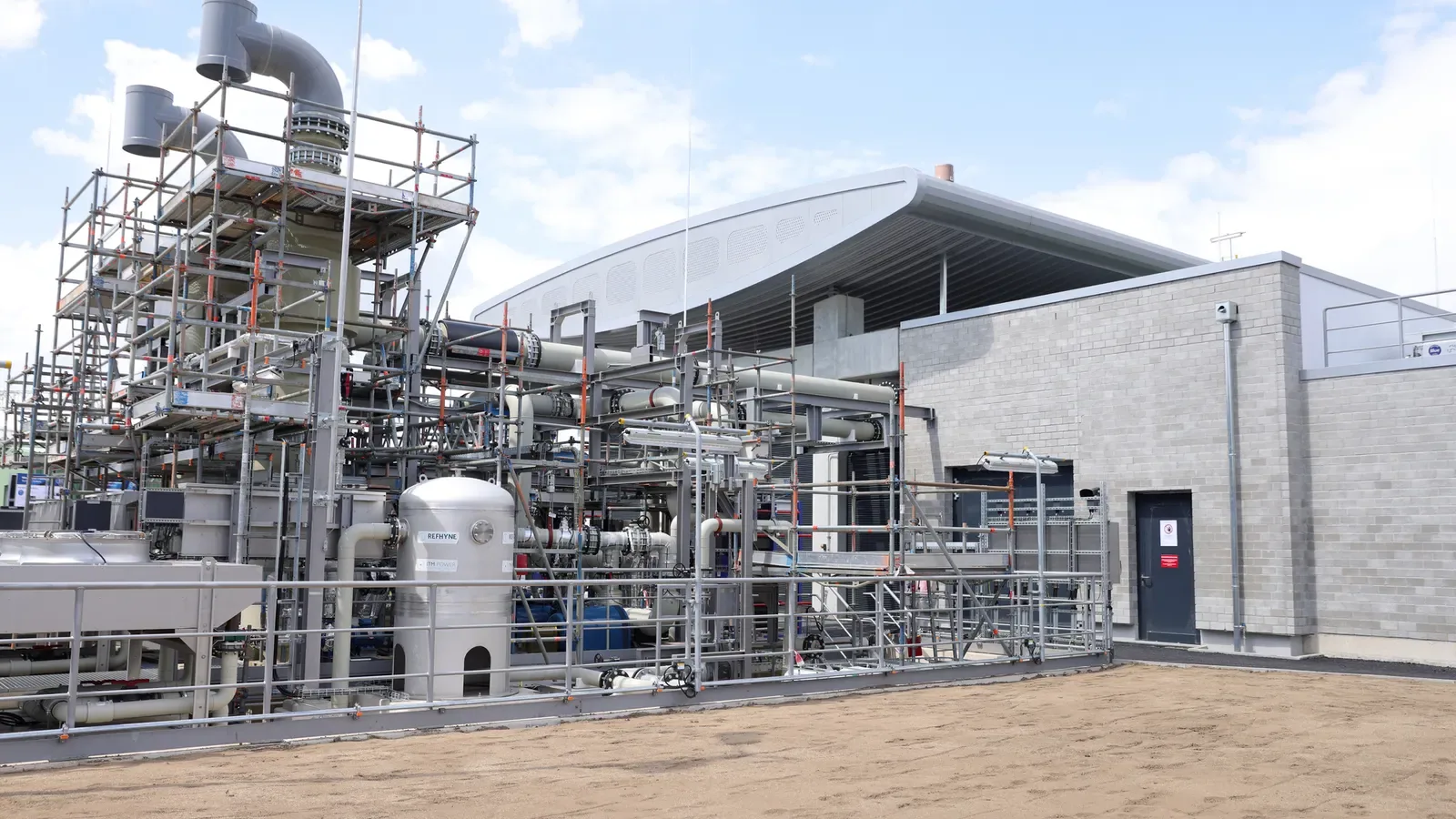
Rust streaks fan out from the exhaust stacks and run down the membrane. The surface around them is chalky and stiff. A plant roof tells on the plant, and this one says the exhaust has been eating it for years.
Manufacturing plant roofing in Greenville, TX has to survive more than weather. Process air, oils, heat and heavy rooftop equipment all wear on the deck. The roof also sits over a line that cannot stop for a leak. We walk it, find what the plant did to it and give you a scope that fits your shutdown calendar.
What does a plant do to its own roof?
Plenty. Exhaust stacks and fans push warm, sometimes chemical-laden air across the membrane. Makeup air units and process equipment add vibration. Maintenance crews walk to the same units all year, and every trip wears a path.
Heat is part of it too. A roof over an injection molding hall or a drying line sees heat from below on top of Texas sun from above. Insulation dries out, fasteners loosen and edges curl.
Then there is condensation. Where warm, wet process air meets a cold deck in winter, it forms droplets that drip like a leak. We look for the real leak and the false one, because the fixes are different. Mixing them up wastes a repair budget.
Which membrane holds up to oils, vapors and heat?
It depends on what the plant puts into the air. Where grease, oils or animal fats settle on the roof, a KEE roof is built to resist them. For chemical exposure and heavy traffic, a PVC roof with welded seams is a strong choice.
A standard white membrane works fine where the air is clean. We test any questionable area with a sample and a call to the exhaust owner before we write the scope. A wrong membrane can look good for a season and then soften or shrink.
Walk pads go down along every path to a unit. Cheap to add, expensive to forget. Without them, a repair crew becomes the next cause of a leak.
Where do plant roofs leak first?
At the equipment. A plant roof carries more penetrations than almost any other building type, and each one is a tie-in waiting to fail.
- Pipe, conduit and duct supports that move and tear boots.
- Curbs for fans and makeup air units with cracked seams or low flashing.
- Old penetrations left behind after equipment changed.
- Skylights and roof hatches with dried sealant.
- Edge metal at walls that expanded and shifted.
Every time equipment is added, the roof pays. Rebuilt rooftop equipment curbs and supports keep pipe off the membrane and the flashing above the water line. Call us before the new unit lands, not after.
How do we reroof over a line that keeps running?
We build the plan with your maintenance lead. Safety orientation comes first. Then lockout rules for rooftop units, hot work permits if any torch work is needed, and a map of exhaust that must not be blocked or shut down.
We avoid hot work wherever a cold-applied or welded system will do. That keeps fire risk, odor and permits in check. Heavy items like cranes and tear-off hoppers get staged away from loading and traffic.
Many plants line up the big work with a planned shutdown. If yours has one, tell us the dates and we will schedule tear-off and dry-in for that window. If it does not, we work in sections so the open area is small and sealed each day.
The plan begins with the production calendar and the roof map. A crew can divide a large roof into work zones, but each boundary needs a dry-in detail that stays weather-tight if the shift stops early. The plant identifies restricted areas, crane paths, exhaust concerns and any shutdown windows; the roofing scope lists the corresponding protection and daily closeout. Where a process cannot tolerate dust or odor, the superintendent confirms containment and material handling before mobilization. This is how the schedule accounts for the line instead of treating access as a field decision.
What does a leak cost a plant, and what does the fix cost?
The leak is rarely the biggest bill. Wet electrical gear, spoiled product, a stopped line and an insurance call are. One storm and one bad flashing can send all of those into a single week.
The fix follows size, deck condition, wet insulation, number of penetrations and whether the old system can stay. A scan and a few cores tell us whether a heat and UV damaged roof can be repaired or needs to come off. We price both and put them in one report.
If your plan is to replace in the next few years, a repair now should be small and targeted. If it is not, we repair for the long haul. Either way the numbers should be on paper before the budget meeting.
What do Greenville heat and hail do to plant roofs?
They age them fast. DFW records recurring triple-digit heat. Inspect the plant roof’s membrane and coating condition when planning maintenance. Spring storms add hail and straight-line wind, and June 2019 brought gusts near 85 mph.
The plants here are big. The Orbis building in Greenville runs about 1.03 million square feet, with some 420,000 square feet of injection molding. Fritz Industries makes oilfield products in town, and A Brakebush Brothers chicken processing facility of 315,000 square feet sits in Park West Industrial Park. L3Harris performs aircraft modification at Majors Field; the adjacent Greenville Business Air Park is one of the city’s developed industrial parks.
Food plants add washdown moisture and refrigeration load, which makes the roof a cold storage roofing problem as much as a plant problem. Manufacturers that run around the clock need every roof visit planned around the line. Where temperature-controlled operations are present, account for the building use as you review cold storage buildings. A plant portfolio spanning Commerce and Sulphur Springs benefits from roof scopes that record production access, drainage and penetrations at each building.
Commercial Roofing Questions
Can we do the roof during a planned shutdown?
Yes, and it is the best time to do it. Give us the dates early and we will line up crew, material and equipment so tear-off and dry-in finish inside the window. Build a few spare days into the schedule for weather, since a shutdown does not stop rain. Bring in the plant engineer so equipment tie-ins match the outage plan.
Is hot work on the roof a fire risk?
It can be, which is why we avoid it where we can. Cold-applied adhesives and welded seams cover most scopes. When torches are unavoidable, we follow your permit process, keep a fire watch on site and check the area after work. Tell us about exhaust, solvents or dust on the roof so we plan around them.
How do we tell if exhaust has damaged the membrane?
Look for softening, blistering, discoloration and shrinkage around stacks and fans. Press a thumb into the surface near the discharge. If it feels tacky or spongy, the membrane is reacting to something. We pull a sample, check the spec for the system and recommend a replacement that can handle the exposure.
Should the roof be inspected before new equipment goes up?
Before the crane is booked, yes. A new unit adds weight, penetrations and foot traffic, and every one of those is a leak risk. We check the deck, the membrane and the curb details first, then flag what needs repair before the crane shows up. Fixing the roof once beats cutting a new hole in a bad one.
Is the roof a capital item or a maintenance expense?
Treat it as both. Small repairs and inspections are maintenance and keep the roof in service. Replacement is capital. A solid maintenance plan pushes the capital date out and keeps it from arriving as a surprise. Our report shows each repair and the replacement number, so finance can plan both.