Commercial Roof Replacement in Greenville, TX
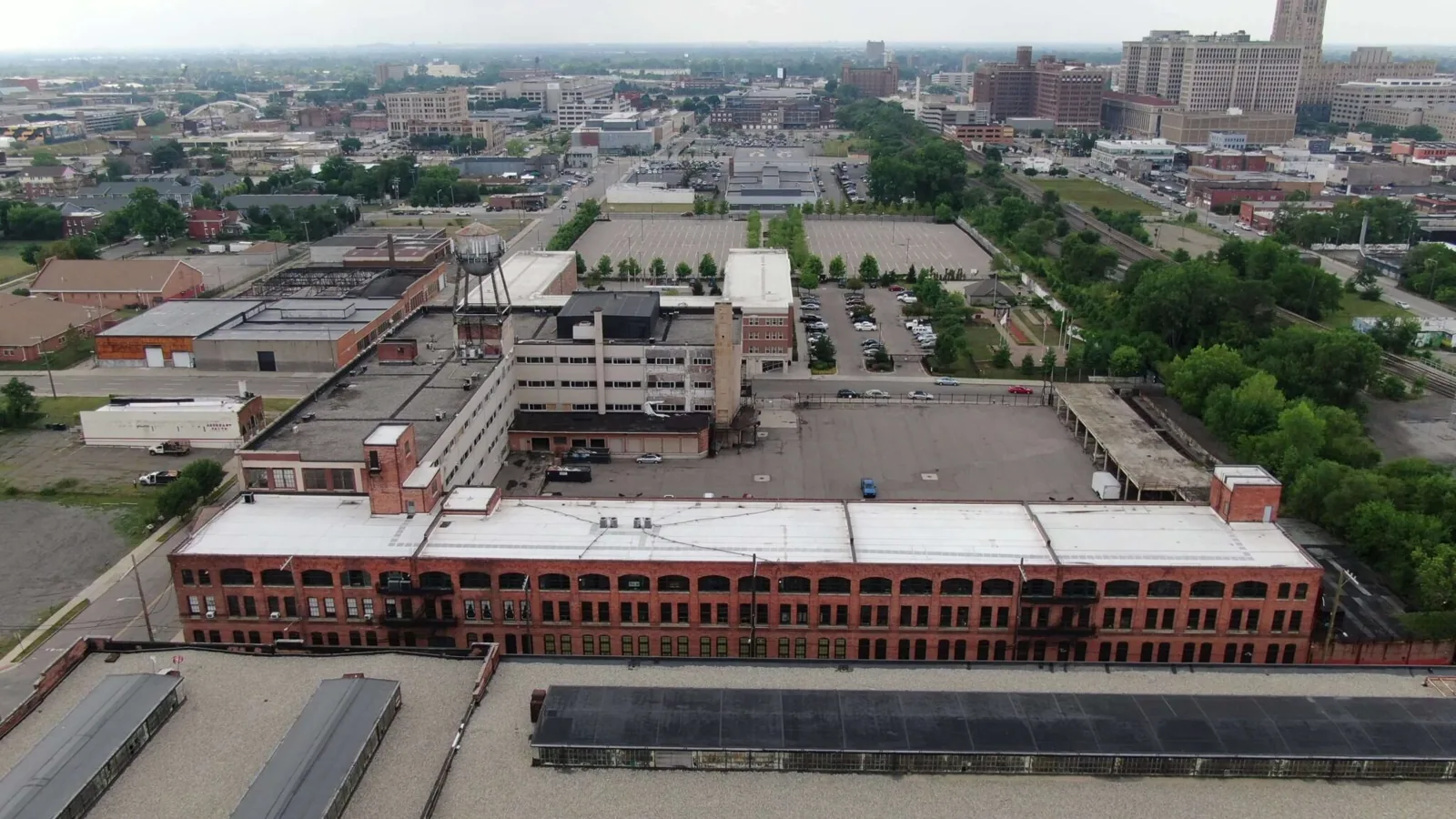
A roof with five patches in one corner is not a repair job anymore. It is a replacement waiting for a budget. Each patch buys a season, maybe two, and every one of them sits over insulation nobody has measured. We walk the roof, mark what is failing, and tell you straight whether another repair is worth the money.
Commercial roof replacement in Greenville, TX means a full tear-off to the deck, a clean substrate and a new system installed to the details your building needs. On a commercial building the decision, the cost and the schedule all hang on what the tear-off finds under the membrane.
How do I know it is time to tear off instead of patch?
Start with the leaks. If they return in the same places after repairs, water is getting under the membrane and traveling. Press a boot heel near the old patches. Soft or spongy footing means the insulation is holding water, and no patch fixes that.
Then read the membrane. Split laps, shrinkage pulling flashing off the walls, blisters, bare scrim and fasteners backing out of the deck all point the same direction. One of those is a repair. Three on the same roof is an end-of-life roof.
The test we use is simple. If keeping the roof alive for the next few years costs close to what a new one costs, we say so and put both numbers on paper. A moisture survey shows how much insulation has gone bad, and that settles most arguments before they start.
What does a tear-off actually involve?
Mobilization comes first. That means staging, dumpsters, a hoist or crane where the roof is high, and a plan for where material and crew will sit. Then the crew strips the old membrane, insulation and flashing to the deck, in sections sized to what can be dried in by end of day.
That last part matters. Nobody opens more roof than they can close before dark. North Texas weather turns fast, and an open deck over inventory or occupied space is a claim waiting to happen.
With the deck bare, we inspect it. Rusted or delaminated deck gets cut out and replaced. Then come new insulation, cover board where the system calls for it, the membrane, and every tie-in at walls, curbs, drains and penetrations. We finish with a punch list walk. You are on it with us.
What drives the cost of a replacement?
Square footage sets the baseline, but it is rarely the biggest swing. These move the number more:
- How much insulation is wet and has to be hauled off and replaced.
- Deck condition. Corroded steel and soft wood add scope once the old roof is gone.
- Roof height, access and whether a crane has to be set.
- Count of curbs, penetrations, drains and wall terminations.
- The system you pick and the insulation level the energy code asks for.
- Phasing around tenants, shifts and deliveries.
Permits belong on that list too. The City of Greenville Community Development Department issues building permits for repairs, replacements and alterations, and the city has adopted the 2018 International Building Code and the 2018 International Energy Conservation Code. Plan the permit into the schedule, not after it.
We price the work as a written scope so every line can be compared against another bid. The cheapest number usually leaves something out, and what it leaves out is usually the deck or the flashing.
Which new system fits a Greenville building?
Heat decides a lot here. A white TPO roof reflects summer sun and is the usual pick on big warehouse and plant roofs. PVC earns its place where grease, oils or chemical exhaust hit the membrane, which is common on food and manufacturing buildings.
Hail changes the spec too. A thicker membrane over a rigid cover board takes a hailstone better than a thin sheet over soft insulation. If the building has a metal deck and a long run of low slope, a standing seam metal roof is worth pricing against the single-ply options.
Modified bitumen and built-up systems still make sense on roofs with heavy foot traffic and a lot of mechanical equipment. We lay out the options, show the tradeoffs on your building, and give a recommendation. You make the call.
How long will the building be torn open?
Longer than a repair. The roof is worked in sections, and each section is dried in daily. The building stays covered every night, even when that means the crew leaves a little early.
Occupied buildings get a phasing plan before the first panel comes up: which side goes first, where the dumpsters sit, which entries stay open, and when the loud work happens. For reroofing an occupied building, the phasing is written into the scope, not improvised on the roof.
The weather window is the real clock. Spring storms stall work. Summer heat pushes starts to early morning. We build the schedule around both and tell you which weeks look best for your roof.
What does a Greenville roof have to survive?
On June 19, 2019, straight-line winds around 85 mph and baseball-sized hail hit Greenville, collapsing a roof in downtown Greenville and damaging a church sanctuary on Joe Ramsey Boulevard. That storm belongs in the local exposure history; the replacement specification follows the building, deck and adopted code.
Hunt County has 75 recorded tornadoes on the books, and an EF1 in April 2014 partially removed metal roof and wall panels from a structure east of Merit. Edge metal, perimeter fastening and wall attachments get extra attention on our replacement scopes for that reason.
Then there is the heat. DFW counted 27 days at 100 degrees or higher in July 2022. Dark membrane absorbs heat, so system choice and surface condition matter. Orbis operates a roughly 1.03-million-square-foot industrial building on SH 66 and US 380 industrial area. Replacement pricing starts with measured roof area and inspection of the existing assembly; downtown’s older masonry commercial buildings have their own roof details.
Commercial Roofing Questions
Should we replace the roof now or run it another year?
Get a moisture reading before you decide. If the insulation is mostly dry and the leaks are isolated, patch it and plan the replacement for the next budget cycle. If wet insulation spreads across large areas, another year costs more than it saves, because the wet material keeps growing and the deck starts to rust. A commercial roof inspection with cores puts both numbers side by side.
Can the building stay open during tear-off?
Usually, yes. Most commercial buildings stay open through a replacement. We phase the work, protect entries, keep debris chutes away from doors, and avoid the loudest tasks during sensitive hours. Tell us about shifts, deliveries and anything that cannot be interrupted, and we will build the sequence around it. Sensitive spaces like surgical suites or clean rooms need a tighter plan, and we will write one.
Can we install a new roof over the old one instead?
Sometimes. A recover saves tear-off and disposal cost, but it only works over a dry, sound roof and within what the building code allows. If the old insulation is wet or the roof already carries more than one layer, a recover is the wrong spend. A roof recover overlay either fits your roof or it does not, and we will tell you which side of the line yours sits on.
Do we need a permit to replace a commercial roof?
Plan on one. Greenville Community Development issues permits for repairs, replacements and alterations, and reroofing falls inside that. Build permit time into the schedule so your crew start date does not slide. Bring us in early and we will help you sort out what the plan reviewer is likely to ask for on your roof.
What should I have in hand before I ask for bids?
Gather the roof plan or an aerial, past repair records, any leak log, and the age of the current system. Add a moisture survey if you have one. With those, every bidder prices the same scope and the numbers can be compared. Without them, you are comparing guesses. If you do not have the paperwork, we will walk the roof and build it with you.