Medical Office Roofing in Greenville, TX
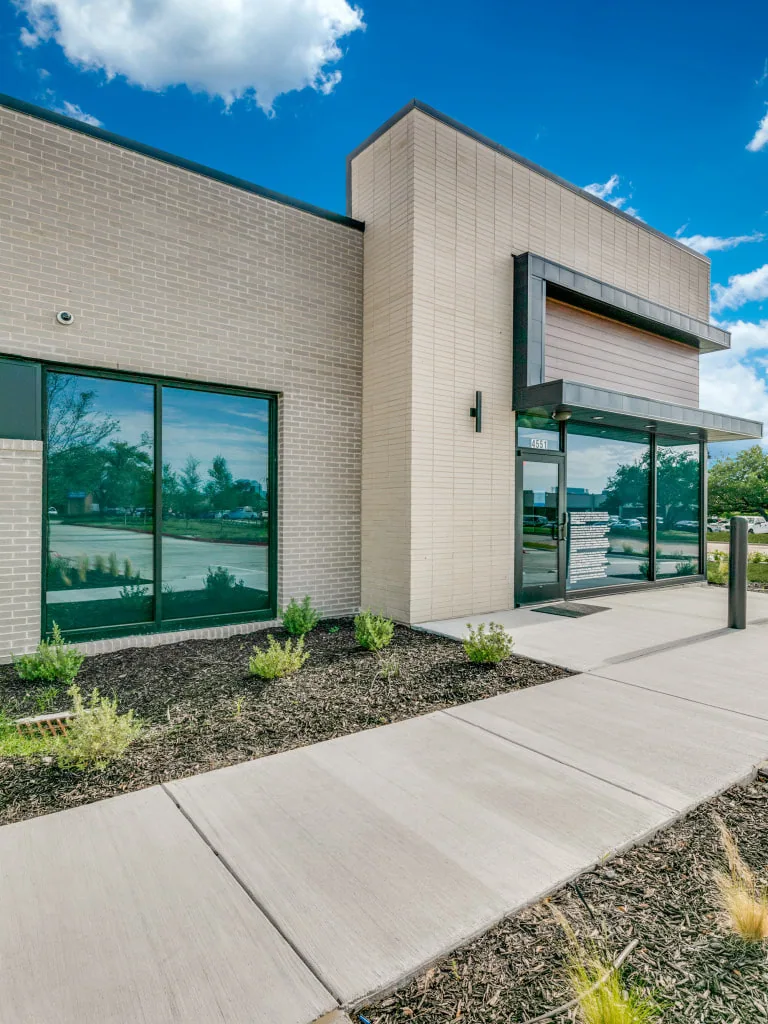
A damp ceiling tile hangs over an exam room, and the afternoon schedule is full. Staff move the patient, set out a bucket and call the landlord. That is a bad day, and it usually started on the roof months ago.
Medical office roofing in Greenville, TX has less room for error than most. Moisture in a clinic is a patient-safety issue as well as a repair. The roof is also small enough that every flashing detail counts. We find the source, fix it in a way that keeps patients out of the noise and give you a price you can take to the practice and the landlord.
Why does a clinic roof leak matter more than an office leak?
Because of what sits under it. Exam rooms, procedure rooms, imaging, labs and medication storage all need clean, dry air and surfaces. Water that gets into a ceiling can grow mold, and mold is a health and compliance problem.
Equipment is the second factor. Imaging machines, sterilizers and electrical panels do not tolerate wet. A single leak can close a room and stop billable work for days.
For a medical office, address active moisture promptly and coordinate any indoor investigation with the property manager and qualified remediation team. We treat every clinic leak as urgent and tell you plainly what we find. Our commercial roof leak repair starts with tracing the true entry point, not patching the stain.
What do we check on a multi-tenant medical building?
Start by mapping each roof area and suite. Confirm tenant boundaries and service needs with the property manager before assigning a leak or repair cost.
- Rooftop units and their curbs, one or more per suite.
- Exhaust fans over restrooms, labs and procedure rooms.
- Plumbing vents and gas lines that cross the roof.
- Parapet and entry canopy flashing.
- Drains and scuppers that carry water away from the entrance.
We photo and date every finding. A regular walk through a preventive roof maintenance program keeps that record current and gives the landlord and tenants one set of facts.
How do we keep patients and the schedule out of it?
With a plan the practice can read in one page. We learn clinic hours, procedure days and any hard stops. Loud work, like fastening and tear-off, moves to early mornings, lunch breaks or weekends. We mark entrances and parking so patients never walk under work.
Dust, odor and vibration get handled at the source. Intakes get covered, adhesives are low-odor where we can, and debris is bagged and lowered, not dropped. If a suite has imaging or lab gear that is sensitive to vibration, we agree on quiet periods in advance.
Each day ends with a dry-in. The roof is never open overnight, and a crew stays ready to answer a call. If the forecast turns, we close early and pick up in the next weather window.
Start with the practice manager’s appointment calendar and the building’s clinical restrictions. Mark air intakes, procedure rooms and patient routes below the work area, then agree which roof sections can open on each shift. Dust-producing tear-off, adhesive odors and deliveries may need different controls; choose them from the actual assembly and room use. The daily closeout should confirm the roof is sealed, debris is removed and the practice knows whether the next day changes access. This keeps roof work in the facilities plan rather than in the patient check-in line.
What does the repair cost, and who pays in a four-tenant building?
The price follows roof size, the number of units, the insulation condition and whether the old system can stay. On a small clinic roof, a good repair can hold for a long time. A roof with wet insulation across several suites is a replacement.
Who pays depends on the lease. Many leases make the landlord responsible for the roof and tenants for damage inside. Others split cost by square footage. We write the scope in plain sections so the landlord, property manager and each practice can see their part.
One more thing to plan for: a patched roof that still leaks scares patients and staff. If the repair history is long, a full replacement may cost less than the next three call-outs. We show both numbers.
Which roof fits a clinic?
A white TPO roof is a common fit for small medical buildings. It reflects heat, keeps cooling bills in check and welds at the seams. We add cover board for hail resistance and walk pads to every unit.
We look hard at drainage, because ponding over an entrance is a slip risk and a leak risk. Where rooftop equipment is crowded, we raise and rebuild curbs so flashing stands taller than the water.
Healthcare systems run the same plan on a larger scale, and the details carry down to a four-suite medical building.
What do storms do to clinics along Joe Ramsey Boulevard?
They test every flashing. The I-30 and Joe Ramsey commercial corridor sits around Hunt Regional Medical Center in Greenville, and a church sanctuary on the same street took extensive roof damage in the June 2019 storm. A 12,579 square foot, four-tenant medical office property listed in Greenville is the kind of building we mean: several practices under one building. Baseball-sized hail bruises membrane fast, and our storm damage roof repair starts with a full walk.
Growth runs along I-30 as well. Rockwall is served by I-30 and grew 26 percent between 2010 and 2020. Price each clinic roof from measured area, insulation condition and tenant schedule.
A larger campus roof, like a hospital roof, carries more rooftop plant, while a standard suite behaves a lot like an office building roof.
Commercial Roofing Questions
What should the practice do when a ceiling tile starts to drip?
Move patients and equipment away, cover what you cannot move, and call us and the landlord at once. Take photos of the stain, the tile and the area. Do not climb on the roof. We will come out, trace the leak and make a temporary repair if the weather is bad, then plan the permanent fix.
Will construction dust or odor reach patients?
Not if we plan for it. We cover air intakes, choose low-odor materials where we can and keep debris contained and bagged. We ask your staff which rooms are most sensitive and sequence the work to stay away from them on key days. If a smell or dust issue shows up, tell us and we adjust the same day.
Can a roof be replaced while the clinic stays open?
Yes. Clinics reroof every year with patients on site. The keys are early planning, quiet hours for loud work, clear signage and a dry-in every night. We coordinate with the practice manager and the landlord, then keep the plan visible so everyone knows what is happening and when.
Is mold on the ceiling a roofing problem or a cleanup problem?
Both. The roof has to be fixed first, or the mold comes back. Then a remediation contractor handles the damaged material. We document the leak path and the repair so you have a clean record for insurance and for any infection control review. Do not repaint over a stain before the source is found.
Should the landlord or the tenant call us?
Whoever holds the lease responsibility, but anyone can start the call. Tell us who owns the roof and we will coordinate with the right party. If a tenant calls first, we visit, document and send the findings to the landlord so nothing gets lost between the suites and the owner.