Storm Damage Roof Repair in Greenville, TX
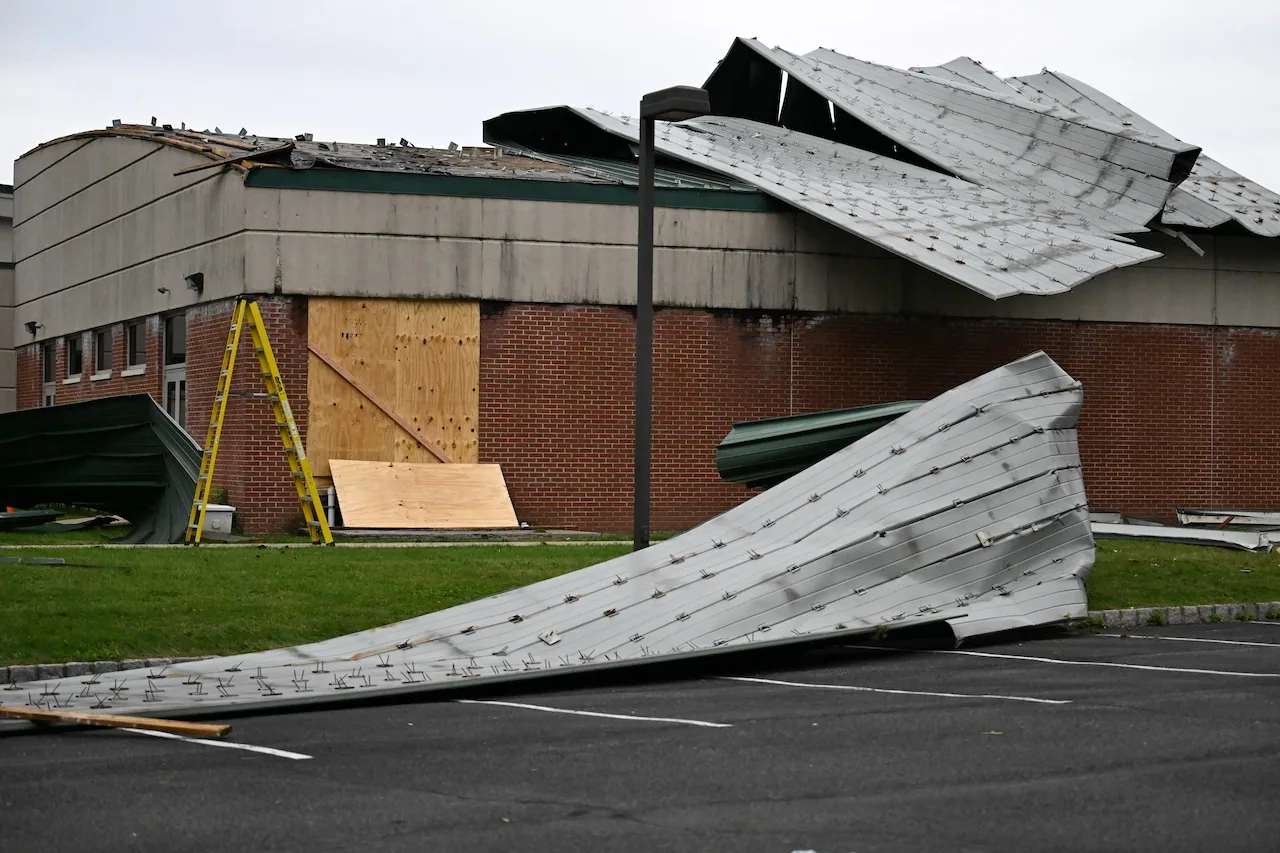
Straight-line wind peels a roof from the edge in. One lifted corner, one loose flap of membrane, and the whole sheet starts working loose with every gust. By morning the damage can be far larger.
Storm work is a race against the next rain and the next owner phone call. In Greenville, TX we start with safety and water, then move to a full assessment, then to the repair. You get the damage mapped, photographed and priced before anything permanent goes down. If the building needs a tarp tonight, it gets one tonight.
What do you look for after a storm?
Wind and hail leave different signs, and a good walk reads both.
Wind shows up at the edges and corners first. We look for lifted or missing edge metal, billowed membrane, torn seams, displaced ballast and flashing that has peeled off the wall. Then we check the fasteners and the deck under any lifted area, because a roof that moved once will move again.
Hail shows up as bruising, split laps, cracked coatings, dented metal and fractured insulation under the surface. Some of it is plain to see. A lot is soft spots you only find by pressing and probing. We mark each one, photograph it and core the worst to see how deep it goes.
Debris is the third kind. Branches, signs and flung equipment punch holes and tear flashing. We follow every impact mark to its entry point and check the ceiling below. For a first fast look at a big roof, a drone roof inspection maps the damage in an afternoon.
What has a Greenville storm actually done to roofs?
June 19, 2019 is the storm date that matters here. Straight-line winds peaked around 85 mph, the hail came down the size of baseballs, and the damage was serious. One building in downtown Greenville had a roof collapse and facade damage. A church sanctuary along Joe Ramsey Boulevard took extensive roof damage. The event was classified as straight-line wind damage, not a tornado.
That is the point. You do not need a tornado to lose a roof in Hunt County. A line of thunderstorms is enough. The storm path ran through Greenville and out to Campbell, with damage on Lee Street in downtown Greenville and along Joe Ramsey Boulevard in the I-30 and Joe Ramsey commercial corridor.
Real tornadoes do visit. On April 3, 2014 an EF1 east of Merit stripped part of the metal roofing and wall panels off one structure by FM 1569 and FM 903. May is the peak month for them here.
What happens in the first two days?
First comes safety. We confirm the roof will hold a crew before anyone steps on it, and we tell you which rooms below to clear.
Then we photograph the damage before touching it. Those photos become the record for any claim. Next is dry-in: tarps, temporary membrane or sheet metal over openings, held down with real fasteners and not just ballast. That keeps the building dry while the permanent scope gets written. A 24/7 emergency roof repair call starts with exactly that dry-in.
By day two you should have a written scope: what failed, what it takes to fix and what can wait. Anything wet inside the roof gets flagged. We also tell you which items affect an insurance claim, so you do not repair away evidence an adjuster still needs. Keep the temporary measure and permanent scope separate in the record. Note the opening that was covered, the material used and any area still hidden by water or debris. Once access is safe, we inspect those boundaries before pricing a lasting repair.
How do you separate wind, hail and tornado damage?
The pattern tells the story. Wind damage runs in one direction and concentrates at corners, edges and the windward side. Hail marks vary by exposure and assembly; inspect the full roof and map observed bruising, fractures and damaged details. Tornado damage is chaotic, with debris, uplift and structural movement.
The difference matters for the repair and for the paperwork. A bruised membrane needs one fix. A wind-lifted edge needs another, and often a stronger attachment than the original. We write each type up on its own, and the repair methods differ for wind damage, hail damage and tornado damage.
When the repair goes back on, it should be better than what failed. If edge metal let go, we upgrade the attachment. If hail got through, we talk about a cover board or a tougher membrane.
What does storm repair cost and how long does it take?
The range is wide because storms are. A few torn seams and a lost coping run is a short job. A hail-bruised field across a big warehouse is a long one. Price follows how much roof is hurt, how deep the damage goes and what is under the surface.
Timing depends on weather and materials. After a big storm, every roofer in the region is busy and membrane supply tightens. A good weather window decides whether a permanent repair goes in this week or next. That is why dry-in comes first: it holds the building until the real work can start.
If the damage is too widespread to patch, we will say so and price a full replacement next to the repair. You make the call with both numbers on the table.
How does the claim fit into the repair?
When a storm claim is involved, the order of work matters. Photos first. Dry-in second. Permanent repair after the adjuster has seen the damage or had the chance to.
We record the roof before the storm, the damage after it and the work the fix needs. The insurer decides coverage under the policy. We provide dated photos, observed conditions and a defined scope for the adjuster to review. A claim goes smoother when the photo set and the scope line items are ready for the adjuster, which is the core of roof insurance claim assistance.
Commercial Roofing Questions
Should I wait for the adjuster before I put a tarp on?
Protect the interior promptly and document the opening before temporary work begins. Photograph the damage, then dry it in and keep the receipts and photos. A tarp limits additional exposure while the permanent repair is scoped for safe conditions.
How soon after a storm should the roof be checked?
As soon as it is safe to walk. Fresh damage is easiest to read, and a quick look catches openings before the next rain finds them. If hail fell, check even when nothing leaks. Bruising may not leak until the following season, and waiting lets small damage grow into large damage.
Can hail damage show up months later?
Yes. Hail bruises the membrane and cracks the insulation underneath without puncturing the surface, so the roof looks fine for a while. The weak spot opens up in heat, in the next freeze or in a hard rain. Get the roof looked at after every hail event, not only after a leak.
Do storm repairs need a permit?
Check before you start. Greenville Community Development handles building permits, and larger storm repairs usually fall under them. We confirm what is needed for your scope and handle the paperwork, so a permit question does not hold up the dry-in or the permanent repair.
Will the repair match the rest of the roof?
Function matters more than color. We use materials compatible with the existing system and make the tie-in with proper seams, flashing and fasteners. A white patch on an old gray roof will look different for a season. The repair itself should be as tight and durable as the roof around it, and the details are what show it.