Solar-Ready Roofing in Greenville, TX
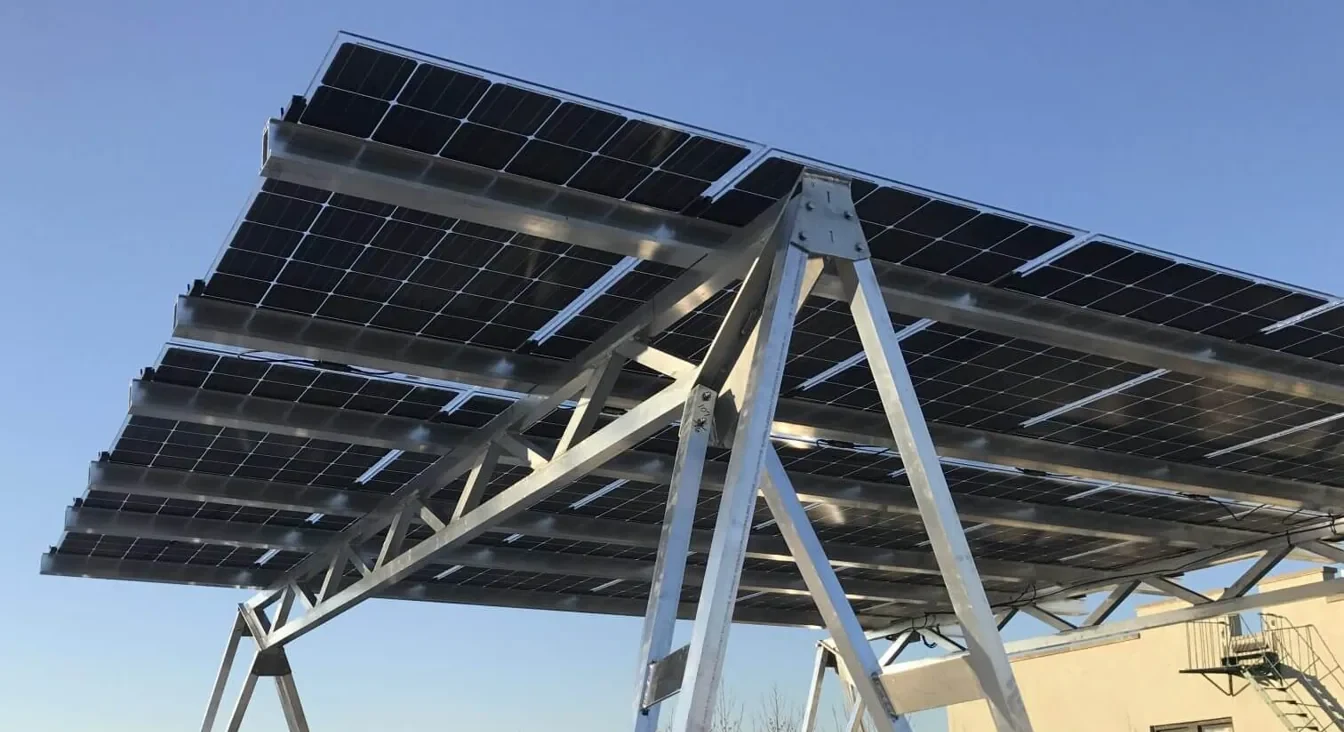
An array bolted onto a tired roof is two bills waiting to happen. The roof wears out first, and the panels have to come off before anyone can replace it. You pay for the same work twice, plus a crane.
Solar-ready roofing in Greenville, TX is the fix for that mistake before it happens. We prepare the roof so it outlives the array, and we repair roofs that already carry arrays without wrecking the racking.
The job starts with a hard look at the roof under the panels. If the membrane is sound, dry and flat enough, the array can go up on it. If it is not, you want to hear that before the solar contractor signs anything.
Is my roof fit to carry an array?
Three questions answer it. How much service life is left in the membrane? Is the insulation dry? Can the structure take the added weight and the uplift on the racking?
We cover the first two. A walk shows seam condition, flashing, ponding and past patches. An infrared moisture survey shows wet insulation, which will not hold racking or ballast without crushing. The third question belongs to a structural engineer, and we will say so plainly.
A roof that fails the first test gets replaced before the array goes on. A roof that passes with fixes gets repaired and documented. Neither answer is an obstacle. It is a line in the schedule and the budget.
How does an array attach, and what does each way cost the roof?
There are three common ways. Ballasted racking sits on the membrane under its own weight and concrete blocks. It adds no holes but adds a lot of load, and it needs protection pads and a smooth, even surface.
Mechanically attached racking is fastened through the roof to the structure. It adds less weight but more holes. Each hole needs its own flashing, and each flashing is a place that has to be inspected for as long as the array stays up.
Clamped systems on a standing seam metal roof grip the seam and make no holes at all. That is the cleanest option, if the panels and clamps match. We tell you which method puts the least risk on your particular membrane.
What should the roof have before the panels go up?
Start with the membrane. If it has a few years left, replace it or coat it before racking goes on. The cost of tearing off under an array is higher than the cost of doing it first. A full roof replacement now is the cheaper version of the same work.
Next, the board under the membrane. A firm cover board spreads the point loads from racking feet. The right insulation and cover board gets that layer ready. Add walk pads along the service paths, and make sure drains and scuppers stay clear of the array footprint.
Then fix drainage. Panels that sit on a pond collect silt and shade. Low spots, missing crickets and slow drains get corrected first. This is where price depends most on how bad the roof is, and where an honest scope saves the most money.
What do the fire and electrical codes add?
The City of Greenville has adopted the 2018 International Fire Code and the 2017 National Electrical Code. For arrays, that means access pathways and setbacks that let firefighters get on the roof, and electrical rules for shutdown and conduit routing.
Those rules shape the layout of the array and the traffic across the roof. Conduit runs, combiner boxes and disconnects all need support, and on the roof side that means rooftop equipment curbs and supports.
The solar contractor and the electrician handle the electrical design. We handle the roof. We coordinate where the two meet, and we make sure permits for roof work come through the Community Development Department before crews mobilize.
Can you fix a roof that already has panels on it?
Yes, and it is more common than you would think. A leak under an array is hard to chase. Panels hide seams, shade the membrane and trap debris. The first step is a walk of the open areas and the edges, plus a look underneath wherever the racking allows.
Small repairs happen around the racking. Bigger ones need a detach and reset, where the solar contractor lifts a row of panels, we repair or replace the membrane under it and the row goes back. That takes two crews and one schedule, so we set the order before anyone climbs.
For an array that stays for years, a preventive maintenance program keeps small defects from becoming a detach job. We photograph each visit so the file shows the roof when the panels went on and how it has held up.
What do Greenville wind and hail ask of an array?
Greenville took baseball-sized hail and winds near 85 mph in June 2019. An April 2014 EF1 east of Merit stripped roof and wall panels from a structure near FM 1569. Review solar attachment against the project design loads and existing roof condition. Racking and ballast have to be designed for that wind, and the roof below has to hold up when the panels shed hail.
Hail bruises membranes under panels just as it does in the open, and nobody can see those bruises from the ground. After a storm, we walk the roof and document damage for the claim, the same way we do on any hail damage roof repair.
Large flat roofs are the natural fit for arrays. Caddo Mills, on Interstate 30, is projected to grow from 1,495 residents in 2020 to about 5,715 in 2025, which is pulling new warehouse and retail building toward the interstate. A school building roof or an industrial roof near Majors Field can suit an array too, if the membrane underneath is ready.
Commercial Roofing Questions
Should the roof be replaced before solar goes on?
If the membrane has only a few years left, replace it first. Taking panels off to reroof costs more than reroofing a clear roof, and you lose production while the array is down. If the roof has plenty of life and passes a moisture survey, you can go ahead and repair the weak spots first. We give you a written condition report so the solar contractor and your lender see the same facts.
Who flashes the penetrations from the racking?
Ideally the roofer, working with the solar crew. A roofing crew flashes and seals each penetration in the same visit as the install, so no hole sits open overnight. That keeps responsibility for leaks clear. We can work from the racking drawings and price the flashing as a separate line, so you know what the roof side of the project costs.
Does an array void my roof warranty?
It can, if the work is not coordinated with the manufacturer. Many roof warranties require notice, an approved attachment method or an inspection before and after. Read yours before the solar contract is signed, then call the manufacturer. We handle the roof-side paperwork and the photos, and we will tell you what a typical warranty asks for.
What does solar-ready prep cost?
The price follows the roof, not the array. A sound roof with a little drainage work is a modest scope. A roof with wet insulation, bad seams and ponding is a replacement. We price the scope in lines so you can see what each fix buys. Skipping prep is not saving money. It is deferring a bill that grows once panels cover the problem.
How do you reach a leak under an installed array?
Slowly and by elimination. We start with the roof edges and penetrations, then use a moisture scan to trace wet insulation, then lift a panel row if the leak is under it. Dye and water testing narrows the source. Some leaks end up being flashing at a conduit, not the membrane at all. Whatever we find, we photograph before and after.