Metal Roof Retrofit and Restoration in Greenville, TX
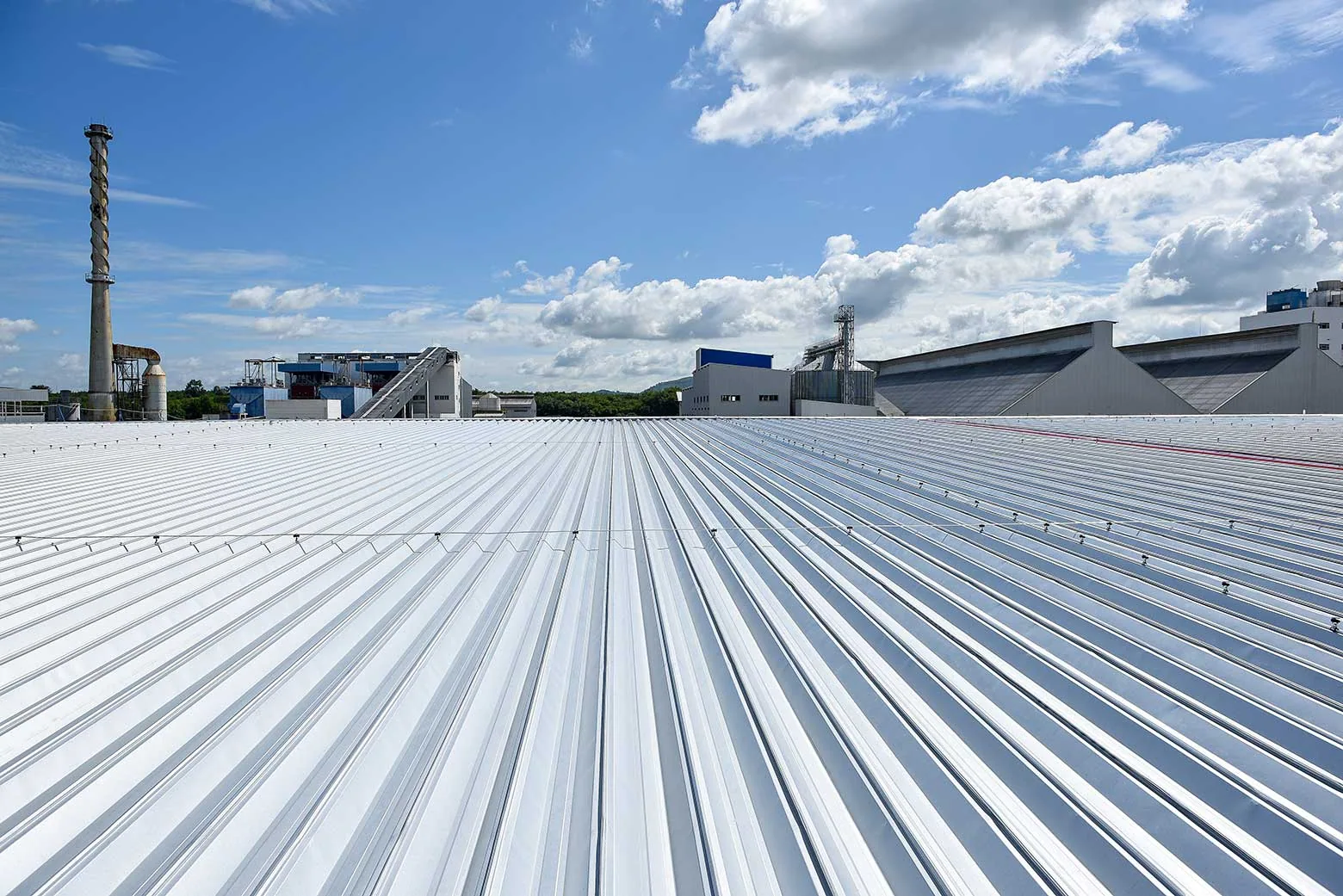
Count the screw heads that have backed out and left a dark ring of rust. On an older exposed-fastener metal roof the count is usually in the hundreds. Each one is a small hole with a tired rubber washer, and every hole is a way for the next rain to get in. That count is where the repair or retrofit conversation starts.
Screwed-down metal panels cover ag buildings, storage, shops, churches and light industrial buildings across North Texas, and the fasteners and sealants are the part that wears out first, long before the panels themselves. The choice on a Greenville, TX building is restore what is there, retrofit over it or replace it. We sort that out roof by roof, with the cost and timing of each.
Why do exposed-fastener metal roofs start to leak?
Because the screws move. Metal expands in afternoon heat and shrinks at night, and over many seasons that cycle works fasteners loose and elongates the holes in the panel. The neoprene washer under each head dries out in the sun, cracks and stops sealing.
Then the details give out. Seam sealant at panel laps shrinks and splits. Flashings at ridges, walls and penetrations pull away. Rust starts at bare edges and cut ends, and it spreads under paint that has chalked off.
None of that means the panels are finished. The metal itself often has life left when the fasteners and sealants are the problem. We walk the roof, mark the weak spots and check the panel steel before we say what comes next.
Should I restore the roof, retrofit over it or replace it?
It follows the condition of the panels. If the steel is sound and only the fasteners, laps and flashings have failed, restoration makes sense. If the panels are thin, pitted or perforated, restoration is a short fix, and a retrofit or replacement is the right answer.
A retrofit builds a new roof over the old one. Support framing is set on the existing panels, and new metal goes on top, often as standing seam. The old roof stays in place as a base, which avoids a tear-off and keeps the building dry.
Replacement removes the old metal and starts over. It costs the most and takes the longest, and it is right when the deck or structure underneath is damaged. We price each route and let the numbers sit side by side.
What does a fastener and sealant restoration involve?
It is detail work. The crew walks the roof, removes failed screws and installs larger, longer fasteners with fresh washers. Stripped holes get oversize screws or a repair. Panel laps are cleaned and resealed, and every penetration gets a new boot or flashing.
Then the surface is cleaned and rust is treated. Where the roof qualifies, a coating such as silicone or acrylic goes on over the repaired panels to seal small gaps and cut heat. The prep and cure follow the usual roof coating restoration steps for a dry, sound surface.
The work is only as good as the prep. Painting over loose screws and open laps hides the problem for a season. We tighten, replace and seal first, then coat.
How does a retrofit over the old metal actually work?
Support goes down first. Sub-purlins or a grid system are fastened through the old panels into the structure, set to the right height and spacing. Insulation can be added between the framing, which cuts heat and noise.
New panels are then clipped or fastened to the framing, and flashings, trims and penetrations are rebuilt to match. The building stays covered the whole time. Only small sections are open at once, and the old roof acts as a temporary dry-in.
The trade is height and weight. A retrofit raises the roof and adds load, so we check the structure, the code and the edge details. It also covers the old roof for good, so we confirm the old panels are dry and sound before we close them in.
What does it cost and how long will the crew be there?
Restoration costs the least, retrofit sits in the middle and replacement costs the most, in most cases. Within each, the number follows roof size, slope, access, trim and the count of penetrations. Panel type and finish matter on retrofits and replacements.
Time follows the same order. A restoration is quick, and a retrofit takes longer because of the framing, panels and trim. Weather decides the schedule more than anything. Crews do not set panels in high wind, and rain stops fastener and sealant work.
Occupancy matters too. Most of the work happens on top, so tenants can stay, the same way they do during occupied building reroofing.
Which Hunt County buildings are retrofit candidates?
The ag, storage and shop buildings that serve a farm-and-industry economy. Wolfe City has an agricultural commercial base, and the Martindale Feed Mill is among its historic buildings. For a particular farm or shop, inspect the panel type, fasteners and frame before considering a retrofit. Quinlan's economy moved from cotton to oil in the 1930s and 1940s; older metal on any building still needs a roof-specific condition check.
Caddo Mills is on I-30 and State Highway 66 and is projected to add warehouse and retail development. Inspect each new metal roof’s fasteners and seams on the maintenance schedule in its project documents. Self-storage and church buildings round out the list. A self-storage roof with hundreds of exposed screws is a classic restoration job.
Storms test all of them. When the 2014 EF1 tornado crossed Hunt County east of Merit, it stripped sections of metal roof and wall panels from a structure east of Merit. Straight-line winds near 85 mph hit Greenville in June 2019. A wind damage roof repair often begins with an old, loose fastener pattern.
Commercial Roofing Questions
How long will a fastener restoration hold?
As long as the panel steel behind it is sound and the work is done right. New oversize screws with fresh washers seal for many seasons, and resealed laps do the same. The panels do not get younger, though, so we measure remaining life. If the metal is thin or pitted, we tell you the repair is a stopgap and plan the retrofit or replacement.
Is a coating on a metal roof worth the money?
Coating helps a sound roof and wastes money on a failing one. It seals small gaps, reflects heat and extends the life of the panels. It will not fix open seams, lost fasteners or rusted-through metal. We repair first, test adhesion on a small area and then recommend a coat. Pick the chemistry to match the roof and the exposure.
Can you retrofit over rusted panels?
Light surface rust is fine. Rust that has eaten through the steel or weakened the laps is a different matter, because the new roof needs a solid base. We check with a hands-on walk, probe the worst areas and note where the old panels have to come out. A retrofit over rotten metal is a bad bet, and we say so before we price it.
Will the building stay open during a retrofit?
In nearly every case, yes. The framing and new panels go on from the top, so the interior is untouched except for noise. We stage material away from doors and docks and keep sections closed in at the end of each day. If operations are sensitive to noise or vibration, we set the work hours with your facility manager.
How do I tell if the insulation under my metal roof is wet?
Look for stained liner panels, sagging blanket and drips from the ceiling after rain. Many metal buildings use faced fiberglass, and once it takes on water it holds it. We cut small inspections, check the underside and trace the water to the roof. Wet insulation under a retrofit would be sealed in, so it comes out first.