Church Roofing in Greenville, TX
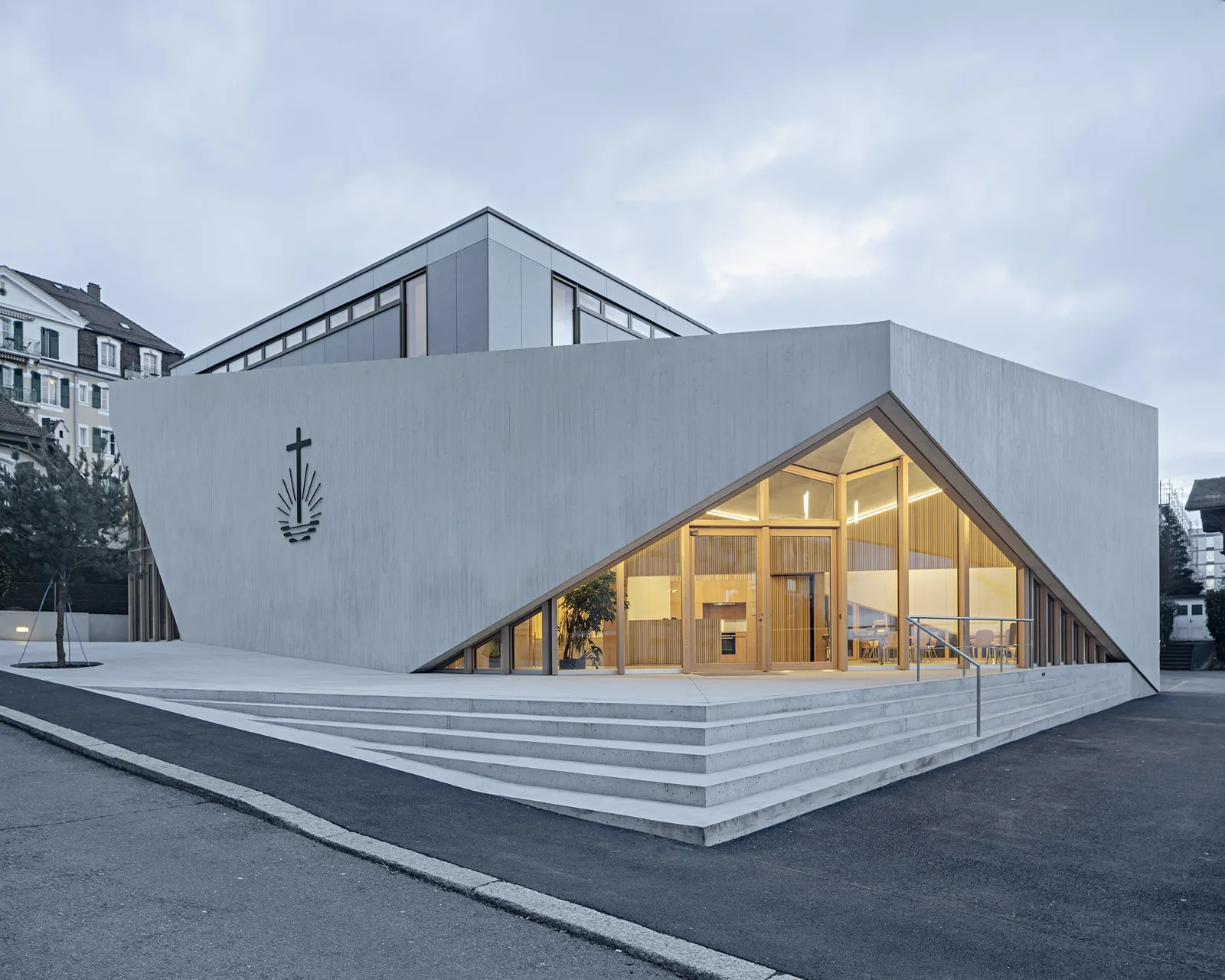
Water stains creep down the plaster beside the choir loft. Nobody sees them until a wedding photographer points. By then the leak has been working for a season.
Church roofing in Greenville, TX comes with a long list of people who all have a say. The pastor, the trustees, the building committee, the insurance carrier and the congregation that has to pay. We get on the roof first, then give you plain numbers so that vote can happen with facts on the table.
Where does a sanctuary roof leak first?
High up and out of sight. The steeple base, the valley where a lower roof meets the nave, the ridge cap and the flashing around a bell tower all take the weather first. A ground-level look misses nearly all of it.
We walk what is safe to walk and fly the rest with a drone roof inspection. The photos show cracked mortar caps, lifted flashing and loose fasteners in clear close-ups. You can hold them up at a trustee meeting.
Low-slope roofs over fellowship halls, classroom wings and covered walkways fail differently. Water ponds. Seams split. Those roofs are usually the cheaper half of the job, and they often leak into rooms the congregation uses every week.
Gutters and downspouts get a look too. Many church sites have old trees, and leaf litter packs a hidden gutter until it overflows behind the fascia. Water that backs up there rots the deck edge, and that rot is cheap to catch and expensive to ignore. We clear a sample section, photograph the condition and tell you whether the whole run needs work.
What does a church roof cost, and how do we find the money?
Cost follows the roof, not the building's size. Steep roofs with many valleys, a steeple, high access and tricky staging cost more per square than a flat hall roof. Wet insulation and rotted deck add to it. So does anything hung on the roof, like HVAC units and a cross.
We give you two prices. One covers the repair that stops the leak this month. The other covers the full replacement. Side by side, they let a committee pick a path it can fund.
Many congregations raise money in stages. A roof capital plan splits the buildings into phases, so the sanctuary goes first and the hall waits a year. Phasing costs a little extra mobilization. A pledge drive that comes up short costs more.
Is metal, shingle or a flat membrane the right call?
It depends on the slope and on what the congregation wants to see. Steep sanctuary roofs often take standing seam metal. It sheds water fast, handles wind and runs a long time with little upkeep. For an older slate or tile roof, inspect each unit and flashing detail before comparing repair and replacement costs.
Flat and low-slope sections take TPO or modified bitumen, depending on traffic and exhaust. A fellowship hall with a commercial kitchen needs the same care as a restaurant roof, since grease is hard on the wrong membrane.
A wing that holds a preschool or a Sunday school is roofed like a classroom block, the way a school roof is. Whatever the choice, we show the old roof's condition first, then the new one's options.
Can the work finish around services and funerals?
Yes. We build the schedule off your calendar. Sunday is off limits. Midweek services, funerals and weddings go on a shared sheet, and the loud work lands on days nobody is gathering. Fencing and staging keep the front doors clear and the parking lot usable.
Interiors matter here. Pews, an organ, carpet and stained glass are hard to replace. We cover the deck every evening and tarp anything open when rain moves in. Nothing stays open overnight.
If a storm hits a week before a big event, call us. A temporary dry-in takes a day or two, and the permanent work waits until after the service. We would rather protect the room than rush the reroof.
The calendar should identify worship, school, meal and memorial use, then attach each noisy phase to a specific roof zone. Give the office a short notice it can share with staff and visitors, with the date, entrance affected and a contact for changes. If interior protection is needed over a sanctuary or fellowship room, agree who moves furnishings and who checks them afterward. At the end of each shift, the foreman confirms the temporary tie-in and leaves the next day’s access path clear.
What did the 2019 storm teach Greenville churches?
Greenville saw baseball-sized hail and straight-line winds near 85 mph on June 19, 2019. A church sanctuary on Joe Ramsey Boulevard sustained extensive roof damage, and a separate roof collapsed downtown on Lee Street. At a church property after severe weather, inspect the membrane, flashing and edge attachment before setting the repair scope.
Older masonry commercial buildings line Lee Street and Washington Street in downtown Greenville. For a church roof in that setting, we inspect the actual wall transitions, coping and flashing before pricing repairs. Downtown Wills Point retains original buildings more than 100 years old; each roof still needs an assembly-specific walk and condition record. A 1919 F4 tornado cut a 30-mile path through Blue Ridge. After a severe-weather report at a church property, inspect its roof and document the conditions found.
After a storm, a crew doing storm damage roof repair walks the roof and writes up every item. Those photos go straight into a roof insurance claim package.
Commercial Roofing Questions
Our insurance carrier says hail damage was just wear and tear. What now?
Ask for the adjuster's report in writing, then get a roof walk of your own. We mark bruises, split laps and displaced fasteners, photograph each one and core the worst spots. A dated record of storm damage reads very differently from a general complaint about age. A file that shows exactly where the hail hit and what it did to the membrane gives the claim something to stand on.
Can we repair the old sanctuary roof instead of replacing it?
Often, yes, if the deck is sound and the damage is local. Slate, tile and older metal roofs can last a long time when valleys, ridge caps and flashing get attention. We walk it, count what has failed and price the repair against a full replacement. If repairs start to approach the cost of new, we say so plainly and let the committee choose.
How long does a church roof take to finish?
Plan on days for a hall roof and several weeks for a steep sanctuary with a steeple, depending on weather windows and material lead time. We set a mobilization date once the scope is signed and the material is ordered. Spring storms can push a start back, so the order goes in early. We give you a written timeline before the first load of material arrives.
Who climbs the steeple, and what does that add?
Our crew does, with fall protection and the right access gear, and it adds cost in setup and time. Steeple bases and louvers are where many sanctuary leaks begin, so skipping them wastes the rest of the work. Ask any roofer how they plan to reach it. If the answer is a ladder from the ground, keep asking.
Do you work for small congregations with a tight budget?
We write the scope for the building in front of us. A small church often needs a focused repair on the worst seam or flashing, not a full replacement, and we price it that way. We also suggest which items can wait a year and which cannot. A phased plan lets a small budget do honest work on the roof that is actually failing.