Commercial Roofing in Wills Point, TX
A cornice patch has lifted, and water is tracking behind the coping. On a commercial roof in Wills Point, TX, that detail deserves a closer look before the next rain turns a small opening into wet insulation.
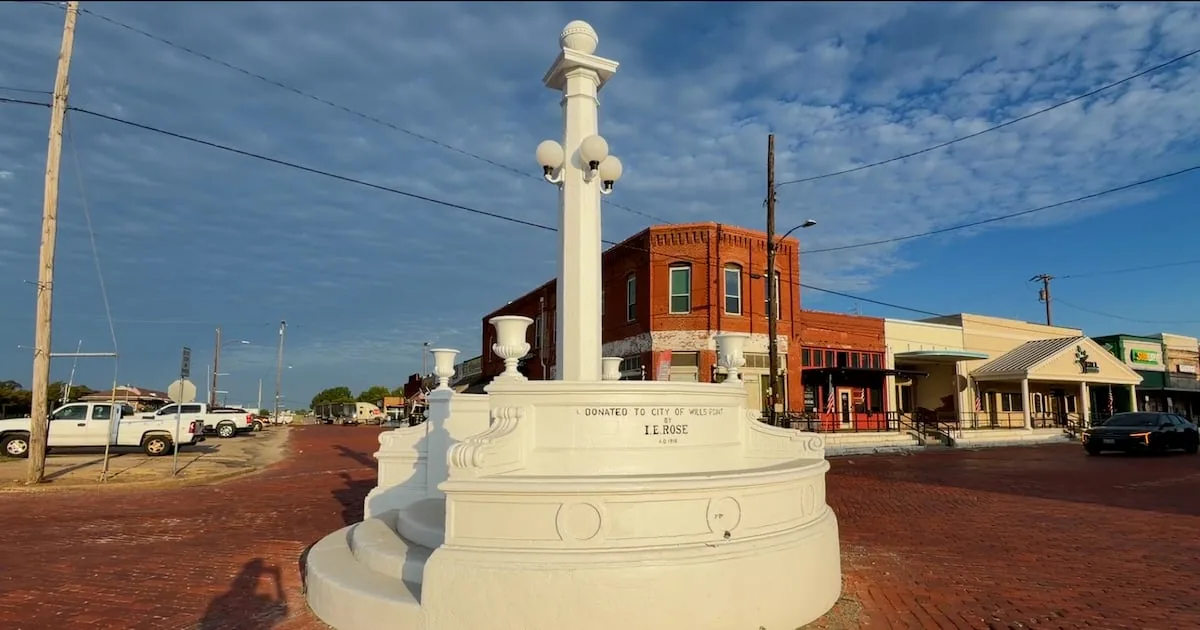
Wills Point is in Van Zandt County, served by U.S. 80, State Highway 64 and Union Pacific Railroad. Downtown retains original buildings more than a century old. For each roof, we inspect the assembly and details before choosing repair, recovery or replacement. We walk the roof, tell you what is failing and put a price on both ways forward.
What can hide on the roof of a building over a hundred years old?
On a building that old, the roof can hide a wood deck, an old built-up roof under newer layers and parapets that have lost mortar. Older buildings were not framed for several roof systems stacked on top of each other. The weight adds up. So does the moisture in the layers. Core samples show how many layers are present and whether the insulation is wet. Mark each test location so the repair decision follows observed conditions.
We start at the edge. Brick copings that have cracked, counterflashing that has pulled out of the wall and a gutter that dumps water against the masonry all cause trouble well below the roof line. Fix those first and the roof stops feeding water into the wall.
We check the deck from below when we can get in. Soft or stained boards tell us how far the damage has run. Edge metal and coping repair is where most of these jobs begin.
Does an old storefront roof need a tear-off, or will a coating do?
A coating works when the surface is dry and the layers underneath are sound. It seals small cracks, reflects heat and adds years. It does not fix wet insulation or a rotted board. Coating over those just hides the problem for a season.
So we cut cores and read moisture first. If the roof is dry, a roof coating restoration is the cheapest honest option. If it is wet in spots, we cut those out and coat the rest. If it is wet everywhere, a tear-off is the only fix that lasts.
The price follows that ladder. A coat costs the least, a partial repair sits in the middle, and a tear-off with new deck boards costs the most. We show you all three and the cost of waiting on each.
What does a North Texas storm do to a brick-parapet roof?
It finds the edges. For a Wills Point storm claim, inspect the building and compare dated condition records before assigning cause or repair scope. Wills Point is in Van Zandt County. Inspect the property’s own roof assembly, edges and penetrations before setting a repair plan.
On a flat roof behind a parapet, wind lifts the membrane where it turns up the wall. Hail finds the soft spots left by old patches. Water then runs behind the flashing and into the brick.
After a front we check wind damage at the wall tie-ins first. A lifted edge is cheap to fix on day one and expensive on day thirty.
Summer adds its own wear. DFW summer heat is one regional planning factor. The condition of a roof patch depends on its materials and installation; inspect it instead of assigning a failure date. We plan repair work for the cooler hours, when sealants cure cleanly.
Does a rail line through town change the roof plan?
A little, for a building near the tracks. Freight trains shake the ground and the buildings beside them. That vibration does not break a sound roof, but it works on loose coping, tired fasteners and cracked mortar. We tighten, reset and reseal those parts as part of the scope.
Staging matters too. A building near the line may have tight access on one side, so we plan lift position and material drop before the first day. A crew that spends a morning looking for a place to park is a crew that loses its weather window.
If the building houses a business with deliveries, we schedule around the truck traffic and keep the walkway clear at the front door. A downtown owner should never have to close a shop for a day because the crew blocked the sidewalk. Material goes up early, debris comes down in a chute and the street is swept before we leave.
What about the metal buildings near the airport?
Van Zandt County Regional Airport serves the area. At any aviation property, identify the actual roof assembly and attachment before planning repairs. A loose screw or a split panel lap on a hangar roof admits water to expensive equipment. We re-fasten, reseal laps and look at the roof for corrosion.
U.S. 80 connects Wills Point with Terrell and Forney; each property needs its own roof walk and mobilization plan. For an opening exposed to weather, call emergency roof repair at any hour.
Metal buildings near an airport still need a building-specific inspection. Before setting a lift, confirm roof access and equipment below. Check fasteners, laps, closures and corrosion panel by panel. If water follows a purlin, mark the interior drip point and roof seam separately. The record should identify the damaged run, matching repair material and final tie-in check, so a small panel repair does not leave the next seam unexamined. On older downtown buildings, verify the deck and roof layers rather than estimating their condition from the exterior.
Commercial Roofing Questions
We own a brick building downtown and water shows up inside the wall, not on the ceiling. Where is it coming from?
Start at the parapet. Cracked coping, open mortar joints and counterflashing that has pulled loose let water run down inside the masonry without ever touching the ceiling. We check those first, then the gutter and the roof edge. Fixing the top of the wall is usually cheaper than anything done inside it.
A tenant wants a new HVAC unit on the roof. What should we ask before we say yes?
Ask whether the roof can carry the weight, and who flashes the curb. A rooftop unit means a new cut in the deck, so we walk the roof first, check the framing and protect the membrane where the crew will roll the equipment. Then we flash the curb ourselves, so there is one party answerable for leaks.
How much can we save by patching again this year?
Short term, quite a bit. Over three or four years, often nothing. Each patch adds a new edge that moves in the heat and cracks open. We price a patch repair and a replacement side by side, with the years each is likely to buy, so you see where the line crosses on your building.
Our metal roof still shows no leaks, but the screws look rusty. Is that a warning sign?
It is, and a cheap one to catch. Backing-out fasteners and rust at the heads mean the washers have aged, and each one is a small opening. We replace them, reseal the laps and check the panel edges. Done before the next spring front, that work often saves a panel replacement.
Who should inspect the roof before we buy an old downtown building?
A roofer with no stake in the sale. Hire someone to walk the roof, core it and report on layers, deck and drainage. We write that as a plain document with photos and a repair price, so you can adjust your offer or walk away. A survey like that costs far less than a surprise.