Apartment and Multifamily Roofing in Greenville, TX
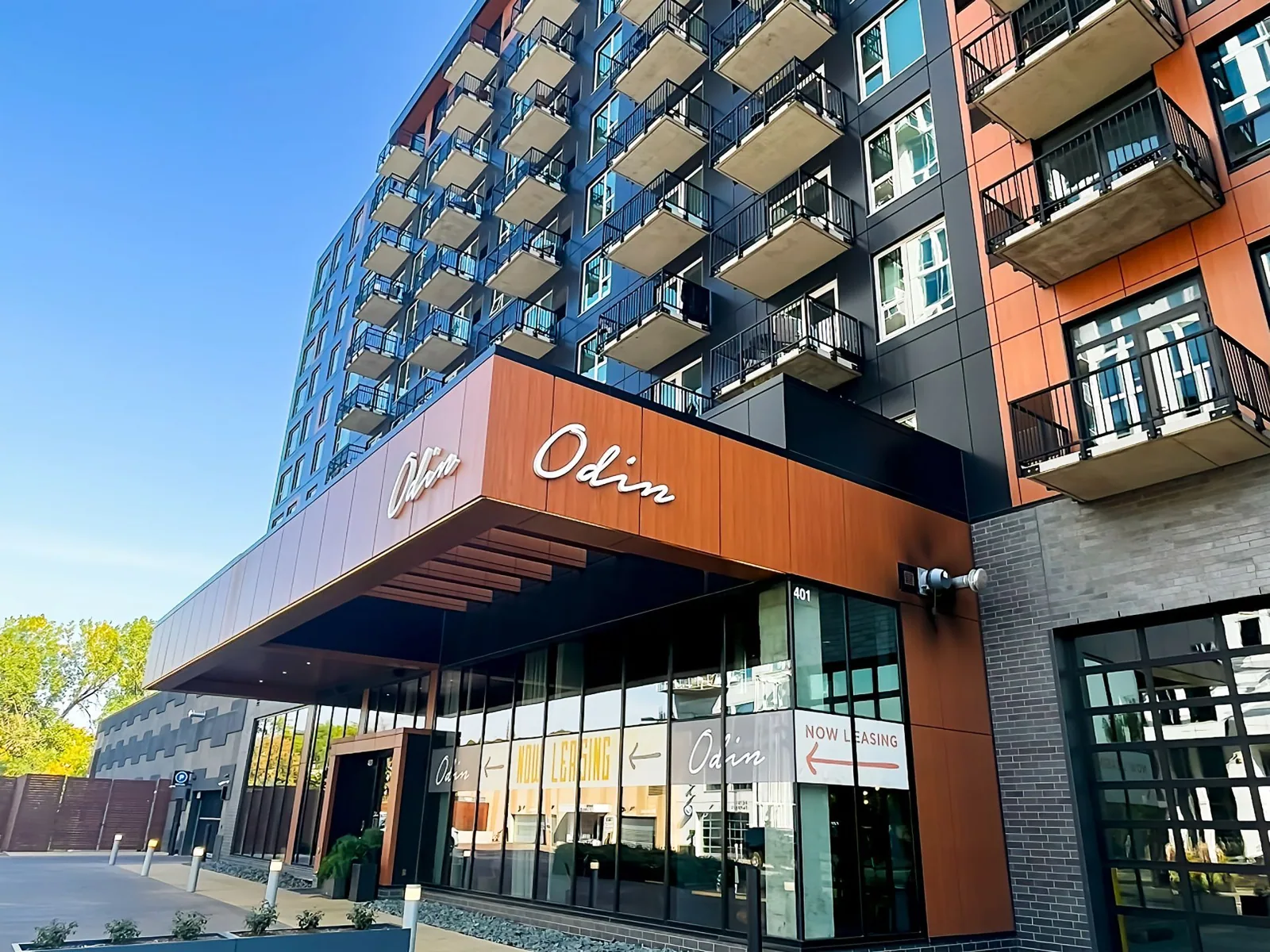
Black streaks run down the stucco from a scupper that stopped draining a long time ago. The water backs up on the roof, finds the weakest seam and comes through the ceiling of unit 3B. By then it is a work order, a resident complaint and a roof budget question all at once.
Apartment roofing in Greenville, TX is a multi-building job with a resident behind every ceiling. We walk each roof on the property, rate it and write a plan that spreads the cost across the budget years and keeps people in their homes.
Why does every building in the complex fail on a different timeline?
Because they are not the same roof, even when they look it. The sunny buildings age faster than the shaded ones. A building with a rooftop air handler wears at the curb. A building with a clogged scupper ponds. A phase built later than the others may have a newer system and a different manufacturer.
A complex with many buildings will have a few good roofs, a few tired ones and one or two that are done. Treating them all alike either wastes money on the good ones or lets the bad ones leak. We rate each building by condition and risk, and the owner funds them in order.
What fails first on a garden-style or mid-rise roof?
Water paths, in nearly every case. We check each one and tag it to the units below.
- Scuppers, downspouts and drains choked with leaves and debris.
- Parapet caps and wall flashing at stair towers and breezeways.
- Mechanical curbs and condenser supports with dried-out sealant.
- Penetrations from plumbing vents, dryer vents and exhaust fans.
- Low-slope sections that pond after a storm.
Most of these are small fixes, and a maintenance visit catches them. Our preventive roof maintenance program is built for property teams that cannot climb every roof every season.
What does the roof cost, and who sees the bill?
The owner, the lender or the HOA board, depending on the property. Each wants a different version of the same number. An owner wants the repair-versus-replace line. A lender wants a condition report with photos. A board wants a reserve schedule.
We write all three from one walk. The price moves with roof area, wet insulation, the condition of the deck, how many penetrations and curbs sit on each building and whether the old system comes off. A roof recover can skip tear-off on a dry, sound building. Where the insulation is wet, tear-off is the right answer.
The roof condition reports we write hold up for lenders, buyers and insurers. Doing several buildings in one mobilization saves real money, because three small call-outs cost more than one planned trip.
Which systems suit a multifamily building?
Low-slope roofs over apartments usually take TPO roofing or modified bitumen. TPO is white and reflective, which lowers heat in the top-floor units. Modified bitumen takes foot traffic from maintenance crews better. Steep or decorative sections on the building may use standing seam metal.
The system also has to fit the owner's plan. A property headed for sale in a few years wants a roof with a clear history and a documented condition. A property held for the long term can spend more now and spread the cost.
We write each option with the cost, the timeline and the effect on residents. Then the owner picks, with every number on one page.
Can residents stay home while we reroof?
Yes, with notice and a plan. We work building by building, and the manager posts the schedule at least a few days ahead. Residents know which days the noise is overhead and which stairwells are blocked. Parking is a real issue, so we map where the lift and dumpsters sit and keep fire lanes clear.
Top-floor units get the most attention, because they sit directly below the work. We protect the ceiling line, dry in at the end of each day and clean the grounds before we leave. Balconies and breezeways stay open where it is safe to do so.
Our occupied building reroofing approach gives the leasing office a calendar and a point of contact, so questions do not pile up at the front desk.
What do tornadoes and hail mean for multifamily owners here?
They mean claims, and they mean documentation. The June 2019 storm hit Greenville with 85 mph straight-line wind and baseball-sized hail, and its path ran through Campbell. For another property, inspect after the event affecting that address. Check current local alerts before scheduling roof work, then inspect each building after a reported event. In Rowlett, the December 2015 EF4 tornado cut a 13-mile path through the city on Lake Ray Hubbard and damaged hundreds of homes and businesses.
The growth is the other half of the story. The Greenville area has about 8,000 residential lots in development. Royse City grew from 2,957 residents in 2000 to 13,508 in 2020; Forney grew 60 percent from 2010 to 2020; Fate recorded 17,958 residents in 2020. Population changes do not date a roof, so use installation records and inspection findings to set apartment priorities.
After a hailstorm, hail damage roof repair starts with a walk of every roof on the property. Owners with several properties can line the work up across one budget, and the same hail that bruises an apartment roof hits a hotel roof or a senior living roof down the road.
Commercial Roofing Questions
How do I budget roofs for a property with many buildings?
Rank them and spread them. We rate every building by condition and give each a repair price and a replacement price. Then you can put the worst roofs in the first year, the middle ones in the next and the rest on a maintenance plan. A property that does this avoids the year when three roofs fail at once and the reserve is empty.
A resident reported a leak. Is it the roof or a plumbing issue?
Check the weather. A leak that shows up only during or after rain points to the roof. A leak that appears on a dry day points to plumbing or a condensate line. We can tell the difference on site, often within minutes, by looking at the stain and the path. Photograph the ceiling and note when it started.
Do I need a new roof before I sell the property?
Not always, but you need to know the condition. A buyer's inspector will find the weak spots, and a written condition report from you shows the roof and the plan. Sometimes a repair and a clean report are enough. Sometimes a buyer wants a credit. We price both paths so you can weigh each against the sale.
Should the HOA replace the roofs all at once or building by building?
Building by building, in most cases. A phased plan spreads the cost, limits the disruption and lets the board learn from the first building. One caveat is a deteriorating roof on a single building, which may need to jump the queue. We give the board a ranked list and a price on each, so the vote is easy.
How soon after hail should I have the buildings checked?
Do it fast, since carriers set deadlines and weather keeps working on the roofs. We walk every building, mark bruises, cores and open seams, and hand you a written report with photographs. That gives your claim a factual base and your repair plan a clear scope. A quick check costs far less than a missed claim.