Roof Warranty Management in Greenville, TX
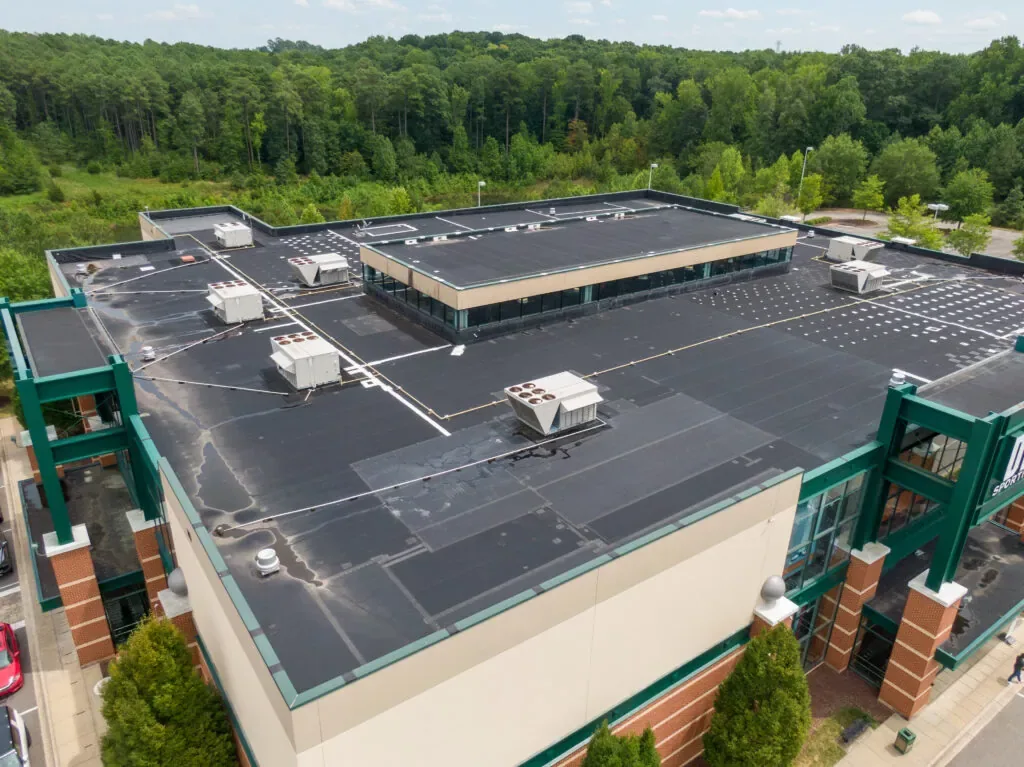
Someone cut a hole for a new exhaust fan and sealed it with a tube of caulk. No manufacturer detail, no notice, no photo. The roof still looks fine. The warranty on it may not be.
Roof warranty management in Greenville, TX keeps that from happening. We read the paper, mark the dates, log the work on the roof and make sure repairs follow the terms. You have a current record of the roof requirements and the work completed.
A warranty only pays if the roof meets its conditions on the day of the leak. Most owners find out those conditions after the leak. We would rather you read them now.
What does a manufacturer warranty actually say?
Read the exclusions first. That is where the surprises sit. Terms change from one manufacturer and one system to the next, so we work from the actual document. Coverage may address material defects, installation labor or both, depending on the program. Warranty terms vary by manufacturer, system and project. Review the actual warranty language for wind, hail, ponding, foot traffic and third-party damage before setting maintenance requirements.
Nearly all of them add conditions. The owner must keep the roof maintained. Repairs must follow the manufacturer's details and use compatible materials. New penetrations and equipment must be reported or flashed to spec. Leaks must be reported within a stated window.
Manufacturers such as Carlisle and GAF each publish their own programs, each with its own fine print. The warranty is the manufacturer's document. Our job is to help you stay inside it.
What quietly voids a warranty on a working roof?
Not the dramatic things. The slow, ordinary ones. Here are the usual culprits:
- An HVAC tech sets a new unit and runs a line through the membrane
- A patch goes on with the wrong sealant or tape
- Ponding water sits for weeks and nobody records it
- A leak call goes to a contractor and the manufacturer is never told
- Maintenance visits lapse and there is no record they happened
On a lot of roofs, HVAC traffic does more harm to the warranty than the weather does. Every service visit puts feet and tools on the membrane. A unit sitting on a rooftop equipment curb has to match the manufacturer's detail, and we flag any tie-in that does not.
Our fix is simple. Keep a log. Photograph every rooftop job before and after. Make the other trades call before they cut.
How do you keep the warranty alive year to year?
We run it like a punch list. First we pull the warranty and mark what it asks for: inspection rhythm, repair rules, notice dates and expiry. Then we put those dates on a schedule you can see.
Two walks a year keep most programs in good shape. Each one produces dated photos and a short written record. If a defect turns up, we repair it with materials that match the system and write down what was used and where.
Anything we are not sure about goes to the manufacturer's rep before work starts. A call before the repair is cheap. A denied claim after it is not.
Routine preventive maintenance is the engine behind this. The visits give the paper trail, and the paper trail is what a manufacturer asks to see.
What does it cost to manage a warranty?
Far less than a denied claim. The work is mostly walking and writing. Price follows the number of roofs, how many warranties are in play, and how much rooftop traffic each building sees.
If you already pay for maintenance visits, warranty tracking rides along with them. We add the paper side, and you get one set of visits instead of two. On a building with new equipment going on the roof, we can be there for the install to photograph the tie-in.
When the warranty is lapsed or unclear, we say so early. Sometimes the best move is to move that roof to a new warranty at the next recover. That belongs in the capital plan for the building.
Will a Greenville hail claim land on the manufacturer or the insurer?
The insurer, most of the time. The June 2019 Greenville storm brought 85 mph straight-line winds and baseball-sized hail. Compare a roof’s warranty terms with the installed system and keep the inspection record current. For storm-related damage, document conditions at the property and review the claim process with the building’s insurer. The warranty still matters afterward. Match the repair scope to the document’s stated details and notice process, then keep that work in the roof record.
North Texas storm season also stirs up tornado risk. In April 2014 an EF1 east of Merit damaged the metal roof and wall panels on one structure near FM 1569. Metal roofs and edge systems get checked against the wind rating on the paper.
Heat is the other test. The 2022 DFW record counted 27 July days at 100 degrees or higher. At a roof in Park West or the Shelby Avenue district, inspect lap and sealant condition after extended heat. That counts as maintenance, so we log it and fix it on schedule. A written roof condition report records the baseline.
What should happen when a covered roof leaks?
Call us and the manufacturer at the same time, and do not patch first. Photograph the leak area, mark it on the roof map and write down when the water showed up. Give the manufacturer notice inside the stated window.
We walk the roof, trace the source and tell you whether it looks like a defect, a storm or an outside cause. If it is a covered defect, the manufacturer sets the repair route. If not, we price a commercial roof repair and keep the record clean. For a property near Greenville Business Air Park, we can review the warranty beside the roof files and inspection record. A manager coordinating roofs in Commerce and Rockwall can keep warranty dates separate while applying the same inspection and repair-log routine.
Commercial Roofing Questions
We bought a building last year. Did the roof warranty come with it?
Maybe. Many warranties transfer, but only if the transfer is requested and sometimes only inside a time limit. Pull the closing documents and find the warranty number, then call the manufacturer with the new owner's details.
If nobody can find the paper, we can walk the roof and read the markings and system details to help you track it down.
Can a different contractor repair a roof under warranty?
Read the terms before anyone climbs up. Some programs require repairs by an installer the manufacturer approves. Others allow any competent contractor if the details and materials match. Using the wrong crew is a quick way to lose coverage.
We read the rules before we touch the roof, and we call the manufacturer's rep where the terms call for it.
Does a new solar array or rooftop unit void the warranty?
Not by itself. What matters is how it goes on. Penetrations, curbs, ballast and foot traffic all have to follow the manufacturer's method. Skip that and the coverage can be in question.
Tell us before the equipment contractor arrives. We can meet the crew, check the detail and photograph the finished work.
Is it worth keeping a warranty on a roof near the end of its life?
Usually yes, if the cost is only the paper trail. A late-life roof is where defects and warranty disputes turn up. Clean records help in a claim, and they help with a sale or loan too.
We compare the cost of upkeep against the cost of replacing it early and tell you which side wins.
Who keeps the records when staff changes?
The file should live with the building, not with one person. We keep a copy and give you one. Warranty number, expiry, notice rules, every walk report and every repair log, with dated photos, in one folder.
That folder is also what a lender or buyer asks for first. We keep it as a roof asset file for each building, so it outlasts the next staff change.