National Guard Armory Roofing in Greenville, TX
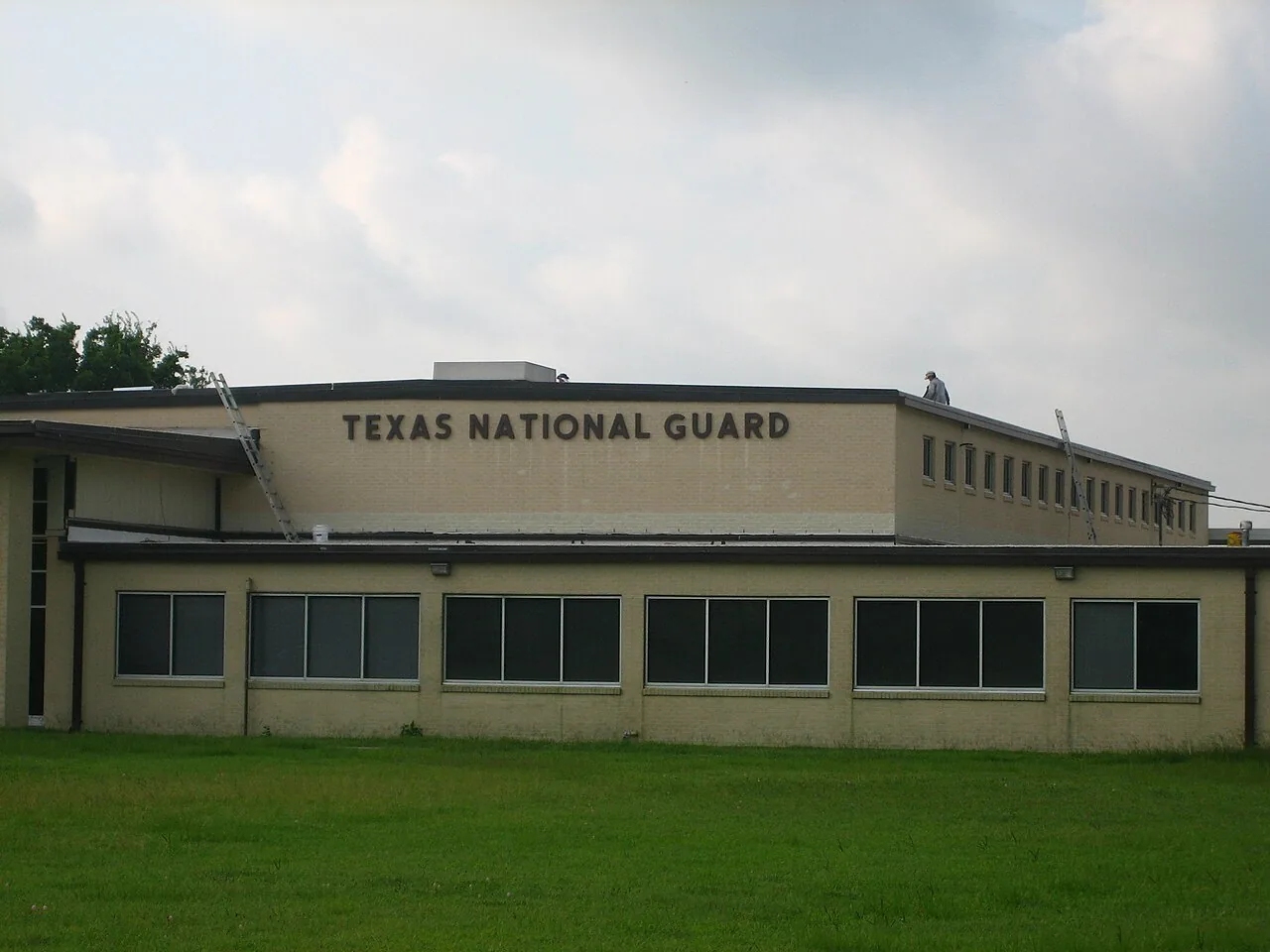
A patch can stop a leak without resolving its cause. A careful roof review maps repairs, checks nearby seams and determines whether the issue is isolated or broader.
National Guard armory roofing in Greenville, TX starts with confirming the roof assembly, equipment and access requirements at the facility. If a facility includes a drill hall, vehicle bay, classroom, office or storage area, identify which spaces sit below the work zone and what protection each needs. Plan protection for the actual rooms below the work zone and confirm the roof span before work begins.
A facility’s schedule and roof-weather window both shape the plan. Confirm current training, inspection and access requirements with the unit contact before setting dates.
Why do roof transitions need careful inspection?
Changes in height or assembly create transition points where movement, flashing separation or poor drainage can allow water in. If a facility has attached wings or bays, inspect each connection instead of assuming the building layout.
Heat adds another stress. Triple-digit temperatures occurred on 27 days in the DFW area during July 2022. After a hot stretch, inspect the facility’s own membrane, laps and sealants for deterioration.
Where a facility has tall parapets or exposed edges, inspect coping, edge metal and flashing for secure attachment. Photograph movement and check adjacent materials.
What turns up when we walk an armory roof?
A field inspection determines which conditions are present. Common items to check include:
- Open laps or lifted seams on exposed roof areas.
- Separated flashing where roof sections meet.
- Loose coping or edge metal at parapets and roof edges.
- Clogged scuppers and drains, with a visible water line.
- Hail impacts or other surface changes that warrant testing.
Recurring stains after patches can point to wet insulation. An infrared moisture survey can identify suspect areas, and cores confirm the assembly before wet material is removed.
What does an armory reroof cost, and who has to approve it?
Size sets the base. Five things move the number after that. How much insulation is wet; whether the deck is sound; the number of units, vents and curbs; available staging space; and any documented access or escort requirements. Confirm each condition with the facility before pricing.
Approvals run through whoever holds the maintenance budget, and sometimes through a design review. Many guard facilities are specified to the Unified Facilities Criteria, so the drawings are not suggestions and the submittals get read. We ask for the spec in writing before we price.
Then you get two numbers on one page: repair now, replace later. Our roof condition reports carry photos and core results, so a facility manager can forward them up the chain without a phone call to explain.
Can work be planned around unit access and training?
Set the work plan with the armory contact before mobilization. Confirm current training dates, inspections, noise limits, vehicle movements and access procedures; do not assume a weekday or weekend is available. If weather changes the plan, notify the contact as soon as conditions are known.
Confirm visitor, vehicle and escort requirements with the armory contact before mobilization. The access plan for a National Guard facility should reflect its current site procedures.
Staging is the other half. The lift, crew trucks and deliveries must not block vehicle routes, parking or fire lanes. We draw a staging map, get it signed and dry in at the end of every shift. End each shift with the agreed dry-in and site-protection steps; never leave an open roof section exposed to weather.
Repair, recover or tear-off: which one fits a readiness center?
Repair fits a roof that is mostly sound. A few open laps, a bad tie-in and some bruising on dry insulation make a short mobilization, and the roof keeps going.
Recover fits one existing layer over a dry, firm deck. Tear-off fits a roof with wet insulation or a rusting deck, because a new membrane over wet board is money in the dumpster. Cores tell you which one you have.
If inspection confirms failing metal panels, a standing seam metal roof retrofit may be considered when framing and project requirements allow. It adds weight and detail work at the edges, so we check the structure first. A white single-ply may suit a low-slope assembly when the structure, insulation and project requirements support it; verify those conditions before specifying a cover board.
What do Greenville storm records mean for roof inspections?
During Greenville’s June 19, 2019 storm, a downtown roof collapsed on Lee Street and a church sanctuary on Joe Ramsey Boulevard was damaged; hail reached baseball size and straight-line winds approached 85 mph. After severe weather, inspect the armory itself and document the conditions found before planning repairs.
An April 2014 EF1 tornado east of Merit removed metal roof and wall panels near FM 1569 and FM 903. For any project, use its local storm conditions to guide the roof inspection and document observed damage before setting a hail damage repair scope.
The Greenville National Guard Armory is on Jack Finney Boulevard near the Hunt County Fairgrounds and L3Harris. It hosted Alpha Company, 3rd Battalion, 144th Infantry upon its return from Iraq in 2008. Greenville Business Air Park is adjacent to Majors Field. For any other public property, including a government building or VA medical center, confirm its own access plan and inspect the roof separately. The military installation roofing scope should likewise reflect the specific facility’s requirements.
Commercial Roofing Questions
A leak is active over a room in the facility. Does the fix wait for the next budget cycle?
No. Protect the affected area and contact the facility team; emergency roof response is available around the clock, including holidays. Temporary work and permanent scope depend on access, safety and weather, then follow the facilities office’s schedule. Once access and conditions permit, we find the leak path, address the entry point and document the work. That photo log also backs up the request for the full repair when you send it up the chain.
Do National Guard roof jobs follow different rules than a private building?
Often they do. The owner may be a state agency, the spec may point to the Unified Facilities Criteria, and the work may need submittals, badges and a named escort. Ask for the access rules and the spec before the first walk. We build the price and the crew list from those, so the bid does not move after the award.
How do you keep the vehicle bays and equipment dry during tear-off?
Dry-in comes first. We open only the area the crew can close the same day, keep temporary membrane and tarps on the roof, and watch the forecast for the weather window. Vehicles stay out from under the open section. Staging stays off the parking lanes. If a storm cell builds, the crew stops and seals the edge before it leaves.
Can hail damage hide on a roof that looked fine on last year's walk?
Bruising can. A hailstone dents the insulation under the membrane while the surface looks clean. The soft spot shows up as a slow leak the next spring. After a big hail event we walk the whole roof, mark each bruise, core the worst ones and write down what we found in plain terms. Then you know whether the damage is real before a claim goes in.
How early should we call before annual training or an inspection?
Start the walk a full season ahead. Lead time on membrane and insulation can run longer than a drill schedule, so the order goes in early. Call in winter and the work lands in a quiet weather window.