Duro-Last Prefabricated Roofing in Greenville, TX
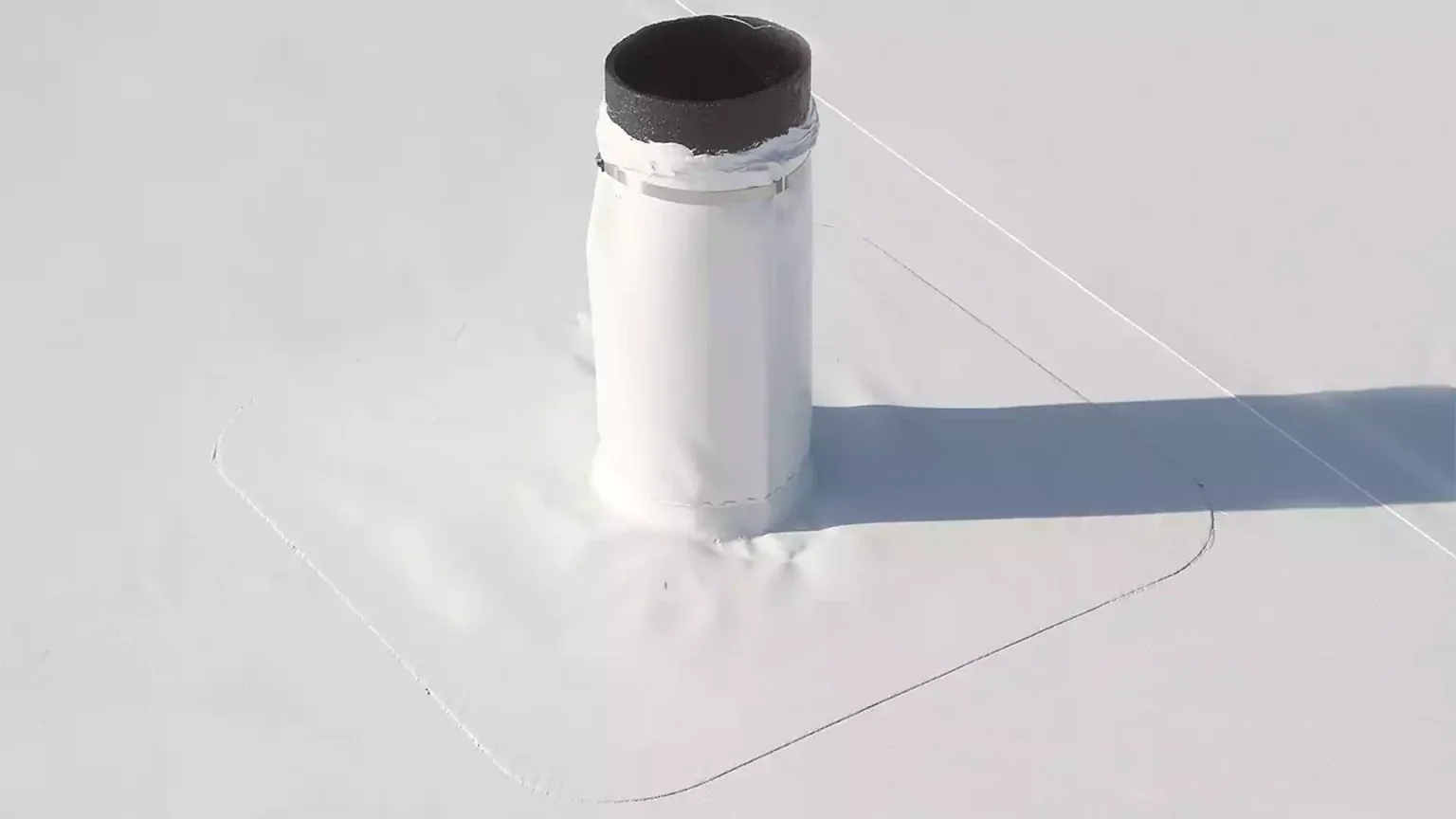
On a Duro-Last roof the seams run in long, straight lines, and most of them were welded in a factory, not on your roof. You can see it from the parapet. The sheet lies flat, the corners are formed and the pipe boots are one piece.
That changes how the roof ages and how it gets fixed. We install, repair and maintain Duro-Last prefabricated PVC roofs in Greenville, TX. Here is what makes the system different, where it fits and what to ask before you sign.
What makes a Duro-Last roof different from a roll of PVC?
The sheet is made to your roof. Duro-Last measures the building, then fabricates large PVC panels in its plant, with corners, curb wraps and pipe boots formed to fit. The panels arrive folded and get unrolled on the deck.
That means fewer welds in the field, and fewer places for a crew to rush or skip a step. The field welds that remain sit at panel edges and are checked as usual. We probe each one, and we mark any that need a second pass before the crew leaves the deck.
Prefab does not change what a roof needs underneath. Deck, insulation and cover board still decide how long the sheet lasts, and we check each one before the panels go down.
Underneath the prefab, it is the same material as any other PVC roofing system. Field-welded sheets from Sika Sarnafil and Carlisle SynTec take a different path to that material.
Where does a prefabricated roof earn its keep?
On roofs with many details and not much open field. Strip centers, restaurants, small plants and auto dealerships all have rooftop units, vents and curbs close together. Every one of those is a chance for a leak. Factory-made boots and corners cut that count.
It also suits roofs where speed matters. A crew can unroll panels quickly once the deck is ready, and the roof can be dried in fast. That helps in the short weather windows we get here.
PVC is a common pick on restaurant roofs because grease attacks other membranes. For a larger retail roof along I-30 or U.S. 67, compare the prefabricated sheet with a field-welded system after measuring the roof and confirming access.
What has to be measured before the sheet is made?
Everything. Roof outline, wall heights, curb sizes, drain locations, penetrations and every odd jog in the parapet. A mistake gets built into the panel. The sheet comes back short, and the job waits.
We measure on the roof, with a second check by a second person. Photos and a roof map go with the order. Then we wait for the panels, and the lead time goes on your schedule.
If the deck, insulation or curb work changes after measuring, tell us at once. A new rooftop equipment curb or a moved vent can mean a new boot or a re-cut panel.
How does a white PVC roof stand up to Greenville heat and hail?
White sheet reflects sun and runs cooler than dark membrane. Check current PVC product instructions against the substrate and actual installation conditions before setting the work window. Compare reflective options against the project’s insulation, drainage and system requirements.
Hail is the harder test. Baseball-sized stones came through Greenville on June 19, 2019, with wind near 85 mph. PVC over soft insulation can bruise, as any thin sheet will. A firm cover board helps, and so does a quick walk after the storm.
As the sheet ages, we look at the edges and wall flashings first, the same way we do on any roof with heat and UV damage. On a sun-baked roof, those are the spots that show wear first.
Who can repair a Duro-Last roof, and who writes the warranty?
Duro-Last writes its own warranty terms and may set its own rules on who works on a covered roof. Ask the maker before anyone cuts into a roof under warranty. A repair that breaks the rules can cost you more than the leak did.
We work from what the maker tells you. We match the panel type, clean the surface, weld the patch and photograph every step. Our commercial roof repair scope records what was done and where.
After the warranty window, repairs are simpler. The roof is still PVC, and a clean weld does the job.
Confirm the current manufacturer requirements before assigning a repair method or promising coverage. The roof file should identify the installed sheet, warranty number, repair history and any authorization the manufacturer requires. A field repair then records the damaged location, material used, seam checks and photographs. If a later project adds curbs or equipment, have the responsible parties review the tie-in detail before cutting the membrane. This keeps maintenance records useful to the owner and avoids treating a brand label as proof that every repair is covered.
How fast does it go on, and what does the job cost?
Install is quick once the panels land. Unrolling, positioning and attaching a large panel takes a crew far less time than welding a field of rolled sheet. We stage in sections, and we dry in each one before we leave. That keeps an open roof small.
Cost still follows scope. Tear-off or recover, insulation depth, deck repair, the number of penetrations and the staging all move the number. The prefab sheet itself costs more than basic single-ply, so the savings come from labor and from fewer leak points.
For a plant in Park West Industrial Park, lift access, truck routing and staging belong in the plan before mobilization. Where tenants stay, occupied building reroofing means notice, haul routes and noise get planned first. We price the lead time as part of the schedule, so the date you hear is the date you get.
Commercial Roofing Questions
Can a Duro-Last sheet go over my old roof?
Often yes, if the old roof is dry, firm and compatible. PVC should not touch asphalt directly, so a separator or cover board goes between. We check for moisture and take cores before we say recover. A wet insulation layer gets removed. The sheet is only as good as what sits under it.
What happens if the roof changes after the panels are measured?
Call us first. Small changes, like a moved vent, can be handled with a field-made boot. Larger ones, such as a new curb or a wall shift, may need a re-cut. We would rather pause the schedule than force a panel that does not fit. Lead time matters, so tell us about planned work ahead of measuring.
How do I patch a Duro-Last roof without causing a warranty problem?
Check the warranty terms with the maker first. If they allow outside repairs, we match the panel, clean the surface and weld the patch. If they want their own network, we can hold the leak with a temporary dry-in. Either way we photograph the work and keep the file, so there is a record.
Is a prefab PVC roof a good fit for a small restaurant in Quinlan or Wolfe City?
Often it is. A small roof with several vents and a hood has many details, and factory-made boots cut the number of field seams. PVC also tolerates grease better than most single-ply. The extra cost buys fewer leak points. We compare it to field-welded PVC and TPO before you choose.
Will the sheet hold up after hail in Greenville?
It takes some hits and shows others. Small stones usually leave little. Baseball-sized hail like the June 2019 storm can bruise the sheet over soft insulation. After a storm we press the field, mark each bruise and core the worst ones. The write-up gives your adjuster something firm to read.